

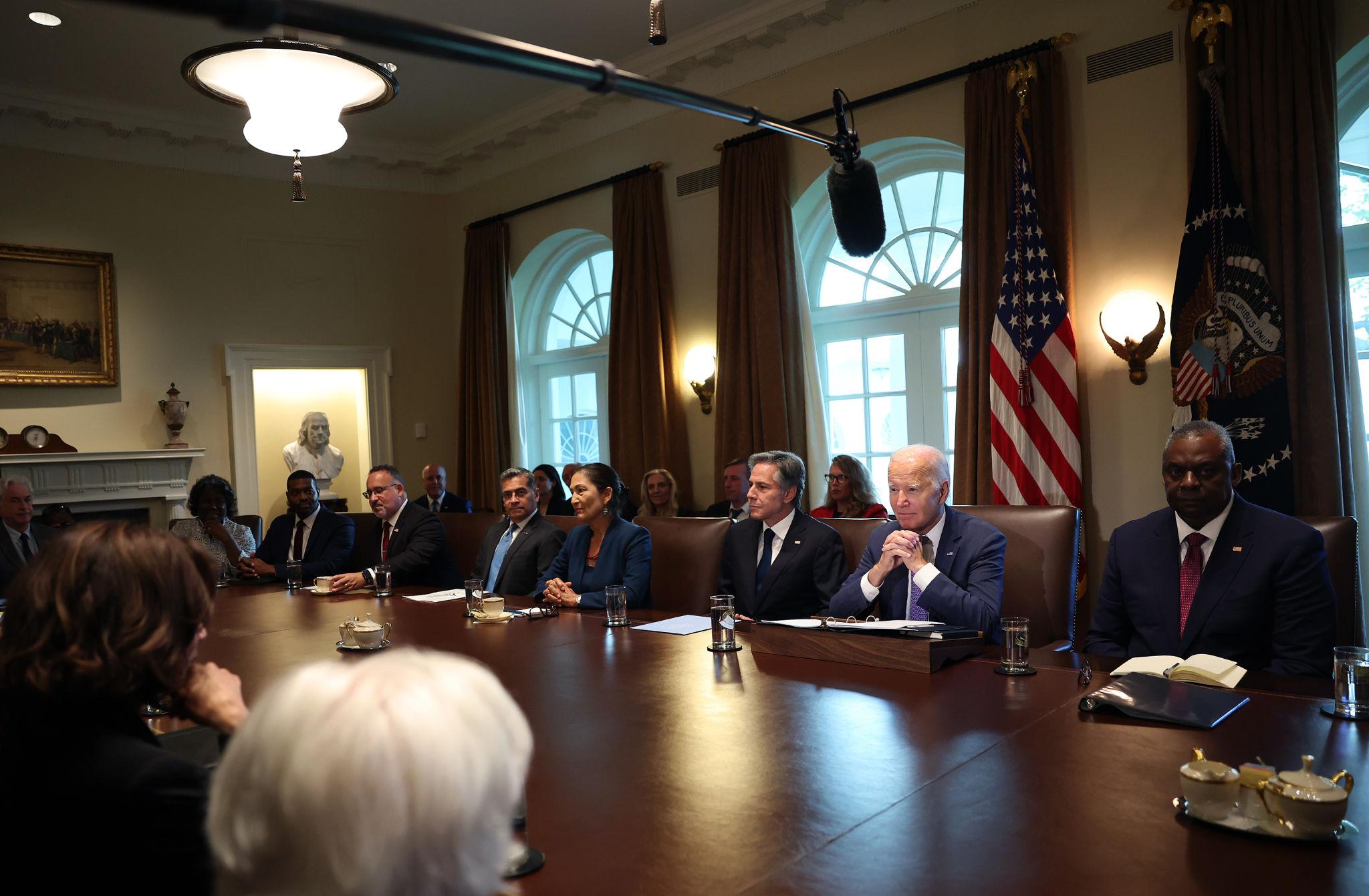
WashingTon, April 11, 2026 (Parliament Politics Magazine) Iran strike debate has intensified in after John Kerry revealed that Benjamin Netanyahu repeatedly urged multiple U.S. presidents to launch military strikes against Iran. The remarks have reignited debate about how past foreign policy decisions were shaped behind closed doors.
Kerry suggested that these conversations spanned several administrations, pointing to a consistent effort to influence Washington’s strategic direction regarding Iran.
A Pattern of Persistent Pressure
At the center of the Iran strike debate is the claim that Netanyahu maintained long-term pressure on U.S. leadership to take direct military action. According to Kerry, the Israeli leader made repeated arguments emphasizing the urgency of addressing Iran’s capabilities.
Multiple administrations reportedly resisted these calls, choosing diplomacy, sanctions, and containment strategies instead. This pattern reflects the difficult balance between military action and long-term geopolitical stability.
Trump’s Decision Marks a Turning Point
A defining moment in the Iran strike debate is the assertion that only Donald Trump agreed to support such action. Kerry’s statement highlights a major shift in policy compared to previous administrations.
“The only president who agreed to this was President Trump,”
Kerry said, underscoring the significance of the decision.
This moment has drawn renewed scrutiny from analysts, with many questioning how and why the policy direction changed so dramatically.
Historical Context Shapes Today’s Debate
The Iran strike debate cannot be fully understood without considering the long history of tensions between the United States and Iran. Since the 1979 Islamic Revolution, relations have been defined by mistrust, sanctions, and periodic confrontations.
Kerry’s comments suggest that external influence may have played a larger role in shaping U.S. policy than previously acknowledged, adding complexity to an already tense relationship.
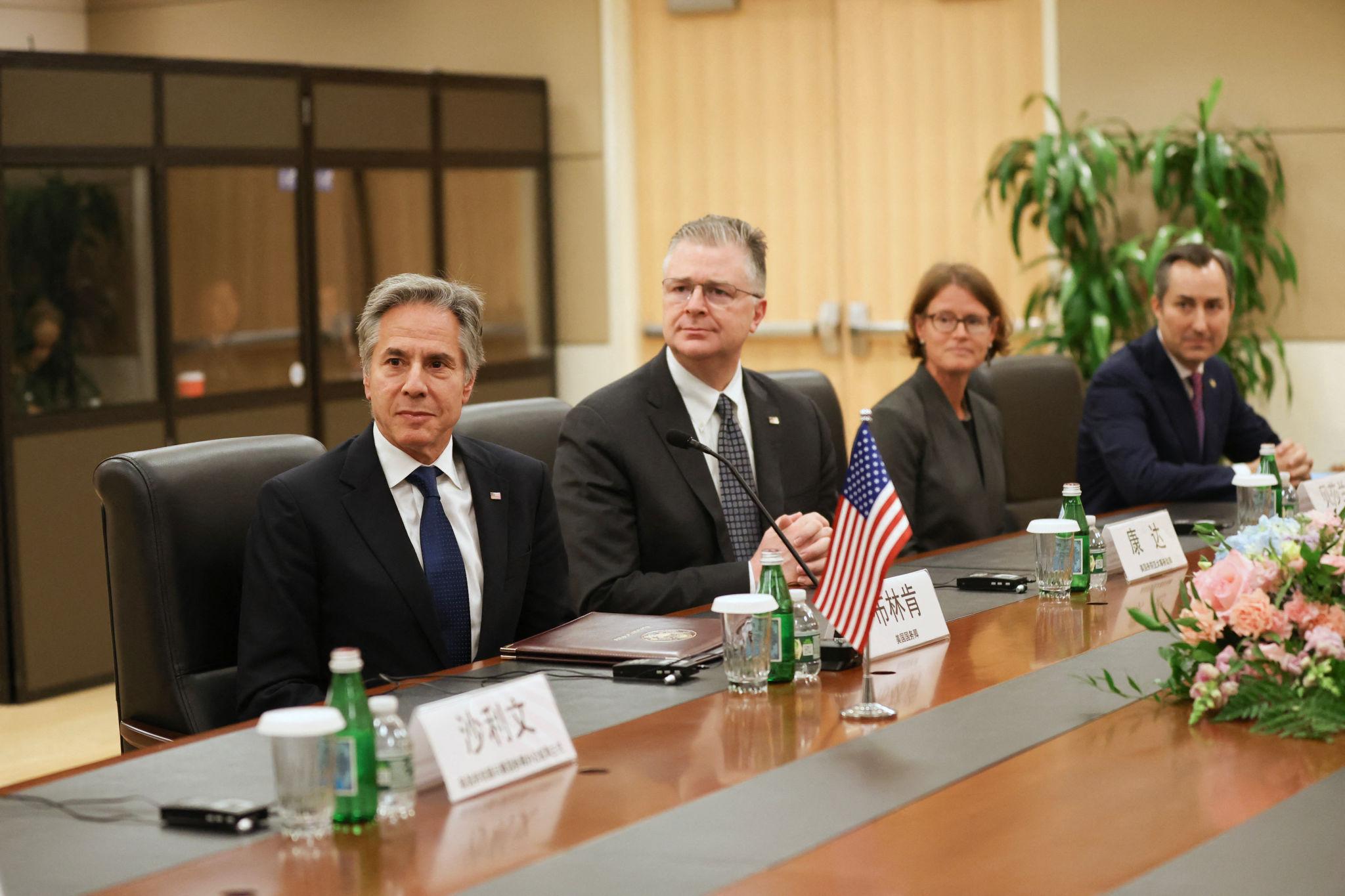
Israeli Security Concerns
From Israel’s perspective, Iran represents a significant and ongoing threat. Leaders have consistently expressed concern about Iran’s regional influence and military development.
The Iran strike debate reflects this viewpoint, with Netanyahu reportedly advocating for decisive action to counter perceived risks. This position has influenced Israel’s broader strategy in the region.
Political Reactions Across the United States
Kerry’s remarks have sparked strong reactions within the U.S. political landscape. Some view the statements as a necessary insight into past decision-making, while others question their implications and timing.
The Iran strike debate has also raised concerns about transparency in foreign policy, with calls for greater accountability in how critical decisions are made.
Implications for Current Diplomacy
The timing of these revelations is significant, as diplomatic efforts involving Iran continue. Talks aimed at reducing tensions are ongoing, but the Iran strike debate could complicate negotiations.
Analysts warn that unresolved historical tensions may impact trust and cooperation moving forward. This makes the current diplomatic environment even more fragile.
Global Impact and Strategic Risks
The Iran strike debate extends beyond U.S. and Israeli relations, influencing global stability. Any shift in policy toward Iran has potential consequences for energy markets, trade routes, and regional security.
Countries around the world are closely monitoring developments, aware that escalation could have far-reaching economic and political effects.
Challenges in Verifying the Claims
As with many high-level diplomatic discussions, confirming the details of these conversations is challenging. Much of the information remains confidential, and interpretations may vary.
The Iran strike debate therefore highlights the difficulty of fully understanding historical policy decisions, especially when multiple perspectives are involved.
What Happens Next in the Iran Strike Debate?
The discussion is expected to continue as policymakers and analysts examine the implications of Kerry’s statements. Additional insights from officials may provide further clarity.
The Iran strike debate could also shape future policy decisions, particularly as tensions involving Iran remain a central issue in global affairs.
What This Means for US–Israel Relations
The revelations underscore both the strength and complexity of the U.S.–Israel alliance. While cooperation remains strong, differences in strategy have influenced key decisions over time.
The Iran strike debate illustrates how these dynamics continue to shape international relations.
What This Means for Iran Strike Debate
The Iran strike debate reflects broader questions about military action, alliance influence, and long-term strategy. These issues remain critical as global tensions persist.
What This Means for the Iran Strike Debate
The Iran strike debate has intensified following John Kerry’s claims that Benjamin Netanyahu repeatedly pushed U.S. presidents to strike Iran, with only one administration agreeing. The revelations provide new insight into past policy decisions while raising important questions about transparency, influence, and strategy. As tensions remain high, the debate is likely to shape future diplomatic and military approaches.
