

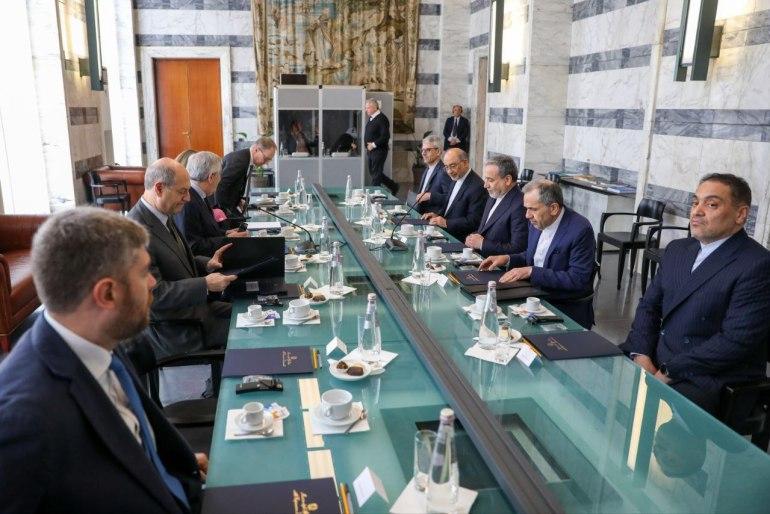
Washington, April 11, 2026 (Parliament Politics Magazine) US Iran frozen funds dispute has become a defining issue in 2026 diplomatic negotiations after a White House official confirmed that the United States has not agreed to release frozen Iranian assets. The statement comes at a critical time as tensions remain elevated and indirect talks continue between the two nations.
The dispute centers on billions of dollars in Iranian funds held overseas under sanctions. Tehran has repeatedly demanded access to these assets, arguing they are essential for economic recovery and humanitarian needs. Washington, however, continues to link any potential release to strict conditions, including compliance with international agreements and security assurances.
A senior U.S. official stated,
“There is no agreement to unfreeze Iranian funds at this time, and any future decisions will depend on clear commitments.”
Conflicting Signals Complicate Negotiations
The US Iran frozen funds dispute has been further complicated by conflicting narratives emerging from different sides. Iranian officials have suggested that progress may be underway, while U.S. officials have firmly denied any finalized agreement.
These contradictions highlight the fragile nature of ongoing diplomatic efforts. Analysts note that such mixed messaging can increase uncertainty and make it more difficult to build trust between the two sides.
The lack of clarity also fuels speculation in global markets and political circles, where stakeholders are closely watching for any signs of progress.
Why Frozen Assets Remain a Strategic Tool
The US Iran frozen funds dispute is not simply about financial access—it represents a key point of leverage in broader negotiations. For Washington, frozen assets are a powerful tool to influence Iran’s actions on issues such as nuclear development and regional activities.
For Tehran, the funds are seen as a necessary lifeline to address domestic economic challenges, including inflation, currency instability, and limited access to international markets.
Experts emphasize that both sides view the issue through different lenses, making compromise difficult without significant concessions.
Impact on Diplomatic Efforts
The US Iran frozen funds dispute continues to hinder progress in broader diplomatic talks. While both sides have expressed interest in dialogue, disagreements over sanctions and asset releases remain major obstacles.
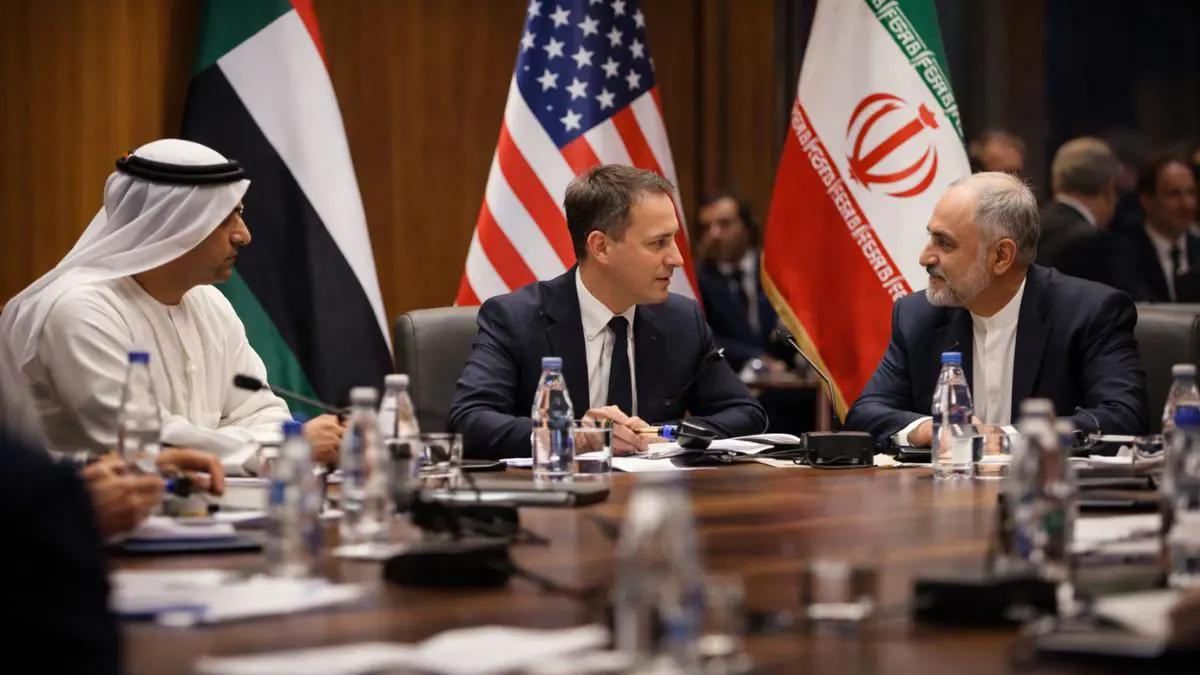
Diplomatic channels, including backdoor negotiations and third-party mediation, are being used to explore potential solutions. However, progress has been slow due to deep-rooted mistrust.
One analyst noted,
“The frozen funds issue is symbolic of the larger divide between the United States and Iran—it reflects both economic and political tensions.”
Economic Pressure and Domestic Implications
The US Iran frozen funds dispute has significant economic implications, particularly for Iran. Access to frozen funds could provide immediate financial relief and help stabilize the country’s economy.
Without access to these assets, Iran continues to face economic strain, which may influence its negotiating position. Domestic pressure within Iran is growing, as citizens and businesses seek relief from ongoing financial challenges.
In the United States, the issue is also politically sensitive, with policymakers weighing the risks and benefits of any potential concessions.
Regional Stability at Stake
The US Iran frozen funds dispute is closely tied to broader concerns about regional stability. The Middle East remains a volatile region, and unresolved tensions between Washington and Tehran contribute to ongoing uncertainty.
Any escalation in the dispute could have ripple effects across neighboring countries, impacting security, trade, and energy supply routes.
Global stakeholders are increasingly concerned that prolonged disagreements could lead to further instability.
Global Market Reactions
The US Iran frozen funds dispute has also influenced global markets, particularly in the energy sector. Oil prices have shown volatility as investors react to developments in the region.
Market analysts warn that continued uncertainty could lead to further fluctuations, affecting economies worldwide. The interconnected nature of global trade means that regional conflicts can have far-reaching consequences.
Investors are closely monitoring the situation, looking for signals that could indicate either escalation or resolution.
Political Pressure Shapes Decision-Making
Domestic political considerations are playing a significant role in the US Iran frozen funds dispute. In Washington, leaders face pressure to maintain a strong stance on Iran while also pursuing diplomatic solutions.
In Tehran, the government must balance the need for economic relief with its strategic objectives. These competing pressures make negotiations more complex and limit the flexibility of both sides.
As a result, progress is likely to remain gradual and uncertain.
What Comes Next?
The future of the US Iran frozen funds dispute will depend on several key factors:
- Progress in ongoing negotiations
- Willingness of both sides to compromise
- Influence of international mediators
- Economic pressures driving policy decisions
These factors will shape the trajectory of the dispute and determine whether a resolution can be reached.
A Major Barrier to Diplomatic Progress
The US Iran frozen funds dispute remains one of the most significant challenges in current diplomatic efforts. With billions of dollars at stake and deep mistrust between the two nations, the issue continues to block progress toward broader agreements.
While negotiations are ongoing, the lack of consensus highlights the difficulty of balancing economic leverage with diplomatic engagement. The coming weeks will be critical in determining whether the dispute can be resolved or if tensions will continue to escalate.
For now, the situation remains uncertain, with global attention focused on how both sides navigate this complex and high-stakes issue.
