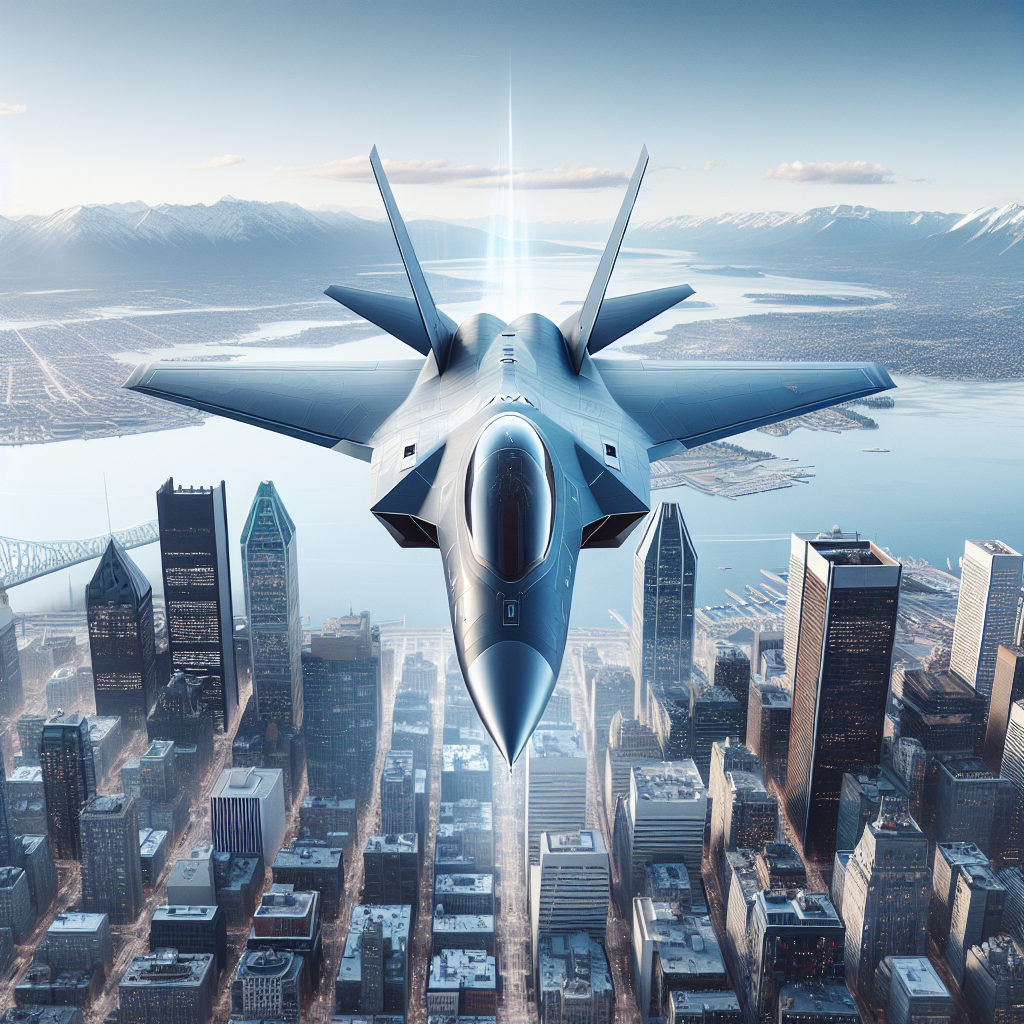
Saab Offers Sovereign Data Center in Montreal to Compete for F-35 Contract
In a strategic move aimed at securing a competitive edge over Lockheed Martin’s F-35 program, Saab has announced plans for a sovereign data center in Montreal, designed to enhance its bid for Canada’s next-generation fighter jet contract. The announcement, made during a press conference on October 5, 2023, underscores Saab’s commitment to providing Canadian authorities with local data management and cybersecurity capabilities. By positioning this data center as a crucial element of its offering, Saab aims to address national security concerns while appealing to the Canadian government’s emphasis on domestic technological solutions.
Strategic Partnership for National Security
The introduction of the sovereign data center in Montreal is more than a mere proposal; it aims to integrate advanced technologies while catering specifically to Canada’s defense needs. Saab’s executive team highlighted that this initiative is designed to enhance the operational capabilities of the Canadian Armed Forces while addressing growing concerns about data sovereignty and security in an era increasingly characterized by cyber threats.
By establishing the data center in Montreal, Saab is not only emphasizing its commitment to Canadian sovereignty but also fostering local job creation in technology and defense sectors. This aligns with the Canadian government’s priorities on innovation and the development of a robust defense ecosystem, potentially leading to favorable consideration of Saab’s offer.
Local Presence with Global Expertise
Saab’s decision to base the data center in Montreal highlights the company’s strategy to leverage Quebec’s strong aerospace and technology landscape. Quebec is home to several leading aerospace companies and research institutions, making it an ideal location for Saab’s operations. The data center will serve as a local hub for data processing, analytics, and support, integrating global expertise with local resources to meet specific requirements outlined by the Canadian Ministry of Defence.
The facility is set to employ skilled workers from local communities, further reinforcing Saab’s commitment to Canadian partnerships. According to Saab’s Chief Executive Officer, “By investing in local infrastructure and talent, we are reaffirming our long-term commitment to Canada, not just as a buyer but as a partner in national defense.”
Competing with the F-35 Program
The F-35 fighter jet, developed by Lockheed Martin, has long been the frontrunner in Canada’s search for a new aerial combat capability. However, its high costs and associated data security concerns have fueled discussions about alternative options. Saab’s JAS 39 Gripen fighter jet offers a lower-cost solution while providing the technological advancements necessary for modern aerial combat.
Lockheed Martin’s F-35 program has faced scrutiny not only in Canada but globally, with various nations reconsidering their financial commitments amid rising costs and concerns over data control. Saab aims to capitalize on these uncertainties by promoting its distinct advantages, which include partnering with local industries and ensuring data is kept within Canadian borders—a priority that resonates with many policymakers in Ottawa.
Importance of Data Sovereignty
In today’s digital age, data sovereignty is a pivotal issue, especially for defense-related information. Canadian officials have expressed the need for secure, locally-managed data infrastructure to ensure sensitive defense information remains protected from external threats. Saab’s proposed data center seeks to alleviate these concerns by pledging that all cybersecurity and data management operations will occur on Canadian soil, under Canadian laws.
By prioritizing sovereignty in data management, Saab positions itself as a viable alternative not only for military procurement but also for aligning with Canadian values and priorities. This focus on data security will likely appeal to policymakers who have increasingly voiced concerns over foreign involvement in national defense contracts.
Engagement with Stakeholders
To further solidify its position, Saab is actively engaging with local stakeholders, including government entities and defense industry leaders. The company’s outreach efforts aim to foster a collaborative environment that addresses concerns raised by the Canadian government and the public about foreign defense contracts.
Local community input will play a vital role, as Saab plans on hosting forums and discussions to ensure that voices from all stakeholders—especially Indigenous communities and labor organizations—are included in the conversation. This strategy not only helps build trust but also underscores Saab’s dedication to transparency and community involvement.
Economic Impact and Future Prospects
The economic implications of establishing a sovereign data center are significant. Saab estimates that the new facility could create hundreds of jobs, driving economic growth in the Montreal region. Furthermore, collaborating with local technology firms can give rise to new innovations and solutions that benefit not just the defense sector but also civilian applications.
As the Canadian government evaluates its options for new fighter jets, Saab’s proposal for a sovereign data center could become a key differentiator in a highly competitive market. By choosing to invest in local partnerships and technological advancements, Saab is positioning itself as not only a contender in the fighter jet competition but as a long-term player in Canada’s defense landscape.
Conclusion
Saab’s announcement of a sovereign data center in Montreal represents a significant shift in the dynamics of Canada’s fighter jet procurement process. By addressing the pressing issues of data sovereignty and security, the Swedish defense contractor is not just marketing a fighter jet but is also proposing a comprehensive solution that aligns with the values and priorities of the Canadian government. As Canada prepares to make a pivotal decision in its defense strategy, Saab’s approach could provide the necessary leverage to challenge the established dominance of the F-35 program, ultimately shaping the future of Canadian defense.
In the ever-evolving landscape of international defense contracts, Saab’s combination of local commitment and global expertise could very well secure its place as a formidable competitor in the race for Canada’s next-generation fighter aircraft.