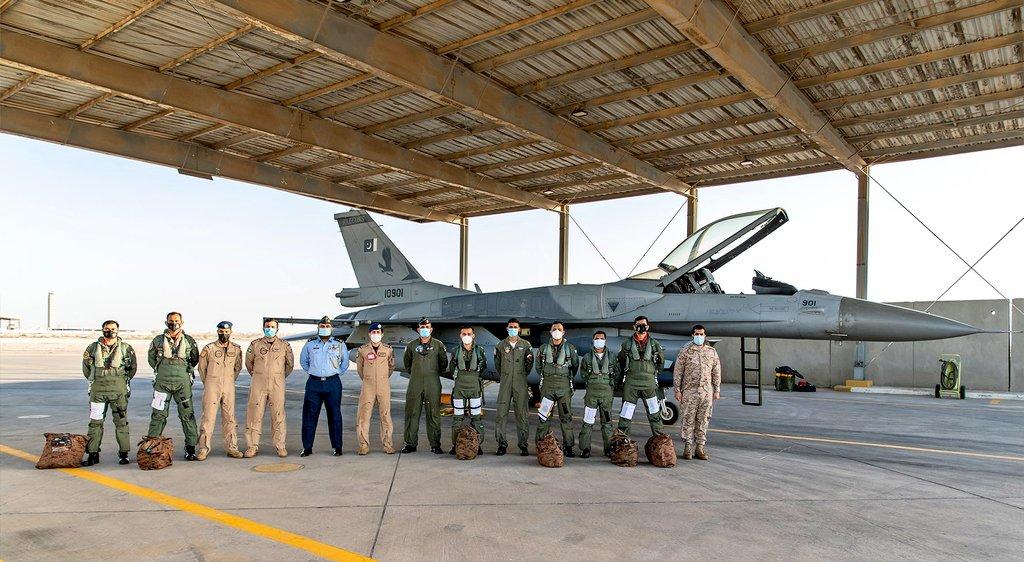
Riyadh, April 11, 2026 (Parliament Politics Magazine) Saudi Arabia defense strategy advanced significantly in 2026 as Pakistani fighter jets were deployed to the kingdom under a long-standing bilateral defence agreement. The move reflects Riyadh’s continued focus on strengthening its military readiness amid evolving regional dynamics.
Officials confirmed that the deployment is part of routine cooperation and training arrangements, emphasizing its defensive nature. However, the timing has drawn increased attention as geopolitical tensions continue to shape security priorities across the Middle East.
A senior defense official stated,
“This step reinforces Saudi Arabia defense strategy and demonstrates our commitment to strong, reliable partnerships.”
Strengthening Military Capabilities
The Saudi Arabia defense strategy has increasingly focused on enhancing operational capabilities through international partnerships. The deployment of Pakistani jets provides additional support in areas such as air defense, training, and rapid response readiness.
Saudi Arabia has invested heavily in modernizing its military infrastructure, and cooperation with experienced allies like Pakistan plays a key role in achieving these objectives. The presence of foreign military assets also contributes to knowledge exchange and operational coordination.
Experts note that such collaboration strengthens the kingdom’s ability to respond to emerging threats.
Regional Security Environment
The Saudi Arabia defense strategy is being shaped by a complex and evolving regional security environment. Ongoing conflicts, shifting alliances, and emerging threats have heightened the need for preparedness.
The deployment of Pakistani jets is seen as a proactive measure aimed at reinforcing defense capabilities rather than escalating tensions. It signals readiness and resilience in the face of uncertainty.
Analysts suggest that maintaining strong defense partnerships is essential for stability in the region.
Longstanding Military Cooperation With Pakistan
A key component of the Saudi Arabia defense strategy is its long-standing relationship with Pakistan. The two countries have collaborated on defense matters for decades, including training programs, advisory roles, and joint exercises.
The current deployment builds on this foundation, demonstrating a high level of trust and coordination. It also highlights the strategic importance of the partnership in addressing shared security concerns.
One defense analyst explained,
“The depth of cooperation between Saudi Arabia and Pakistan reflects a mature and strategic alliance.”

Strategic Implications for the Region
The expansion of the Saudi Arabia defense strategy through this deployment has broader implications for the region. Strengthened military ties can influence the balance of power and shape how other nations approach their own security strategies.
While the move is described as defensive, it may prompt increased attention from regional actors. Observers emphasize the importance of clear communication to ensure that such actions are understood within their intended context.
At the same time, the partnership underscores a commitment to collective security.
Economic and Strategic Dimensions
The Saudi Arabia defense strategy is closely linked to broader economic and strategic goals. Strong defense relationships often support wider cooperation in areas such as trade, investment, and energy.
Saudi Arabia’s partnership with Pakistan extends beyond military collaboration, contributing to economic stability and development. This integrated approach enhances the overall strength of the relationship.
The alignment of defense and economic priorities reflects a comprehensive strategy for long-term growth.
Global Reactions and Diplomatic Messaging
The development within the Saudi Arabia defense strategy has drawn attention from global observers. While some view the deployment as routine, others see it as a notable step in regional security dynamics.
Saudi officials have emphasized that the move is intended to support stability and does not signal any aggressive intent. This messaging is aimed at maintaining confidence among international partners.
Global powers are expected to continue monitoring the situation closely.
Challenges and Considerations
Despite its benefits, the Saudi Arabia defense strategy faces certain challenges. Military deployments can sometimes be misinterpreted, leading to concerns about escalation or increased tension.
Managing perceptions will be critical to ensuring that the deployment contributes positively to regional stability. Transparent communication and ongoing diplomatic engagement will play key roles in this process.
What Comes Next?
The future of the Saudi Arabia defense strategy will depend on several factors:
- Continued cooperation with international partners
- Regional security developments
- Expansion of joint training and exercises
- Integration of advanced military technologies
These elements will shape the next phase of Saudi Arabia’s defense planning.

A Strategic Step Toward Stability
Saudi Arabia defense strategy continues to evolve as the kingdom strengthens its military capabilities through strategic partnerships. The deployment of Pakistani jets represents a significant step in enhancing readiness and reinforcing long-standing alliances.
While challenges remain, the move highlights a proactive approach to security in a complex geopolitical environment. As regional dynamics continue to shift, Saudi Arabia’s strategy will play a crucial role in maintaining stability.
The coming months will reveal how this development influences broader security trends and international relations.