
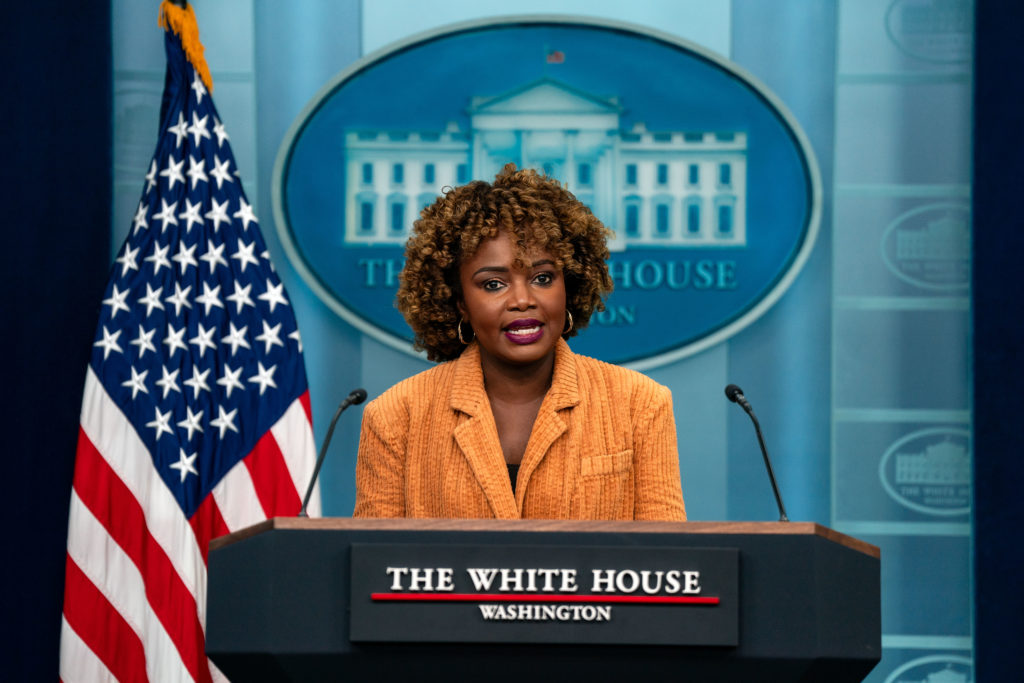
Tehran, Iran January, 2026 — Parliament News highlights that Iran US talks protests are increasingly defining the political and diplomatic environment confronting Iran’s leadership as the country navigates sustained domestic unrest alongside cautious communication with Washington. At the start of 2026, Iranian authorities face the challenge of responding to public dissent while managing external relationships under intense international scrutiny.
The convergence of internal pressure and external diplomacy has created a delicate moment with implications that extend beyond Iran’s borders.
Geopolitical Context Behind Renewed Diplomatic Signals
The current phase of Iran US talks protests unfolds against a backdrop of long-standing mistrust between Tehran and Washington. For years, engagement has been limited to indirect contacts and narrowly defined discussions aimed at preventing escalation rather than resolving underlying disputes.
What distinguishes this moment is the visibility of domestic unrest occurring alongside diplomatic signaling. International observers note that foreign policy decisions are now being interpreted through the lens of internal stability, increasing the stakes of even modest diplomatic gestures.
Domestic Demonstrations and Government Response
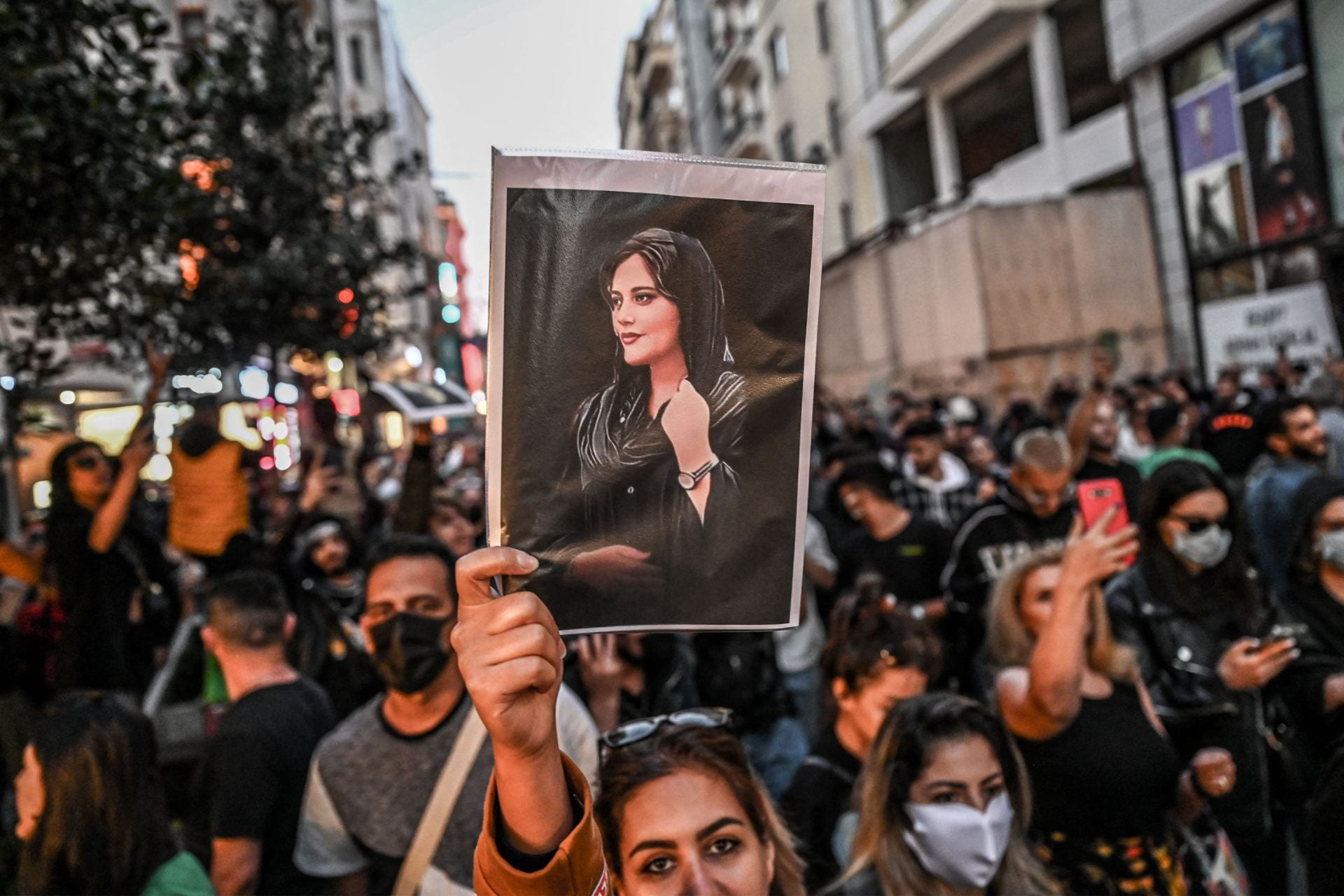
Public demonstrations have become a central feature shaping Iran US talks protests. Protesters in multiple cities have voiced grievances related to economic hardship, governance, and social restrictions, reflecting frustration that cuts across demographic lines.
Authorities have emphasized the need for order and continuity, framing the protests as a challenge to national stability rather than a political movement. Security measures have been justified as necessary to preserve public safety during a period of heightened tension.
Washington’s Strategic Assessment of the Situation
From the US perspective, Iran US talks protests present a complex strategic dilemma. American officials are balancing regional security concerns, long-standing policy objectives, and domestic political pressure to address reports of repression.
Maintaining communication channels is viewed as a way to reduce the risk of miscalculation, yet policymakers remain cautious about appearing to legitimize actions that have drawn international criticism.
Messages From Iran’s Political Leadership
Iranian officials have consistently sought to frame Iran US talks protests as unrelated tracks, insisting that domestic issues will be addressed internally while diplomacy proceeds on Iran’s own terms. This narrative is intended to project strength and autonomy to both domestic and international audiences.
Officials stress that engagement with foreign governments does not signal compromise on sovereignty or political authority, particularly during a period of internal challenge.
Regional Implications of Escalation or Restraint
Across the Middle East, Iran US talks protests are being closely monitored by neighboring governments. Iran’s stability plays a significant role in regional security, energy markets, and migration patterns, making developments in Tehran a matter of shared concern.
Regional diplomats have privately emphasized restraint, warning that escalation could have cascading effects across an already volatile geopolitical landscape.
International Reactions and Diplomatic Caution
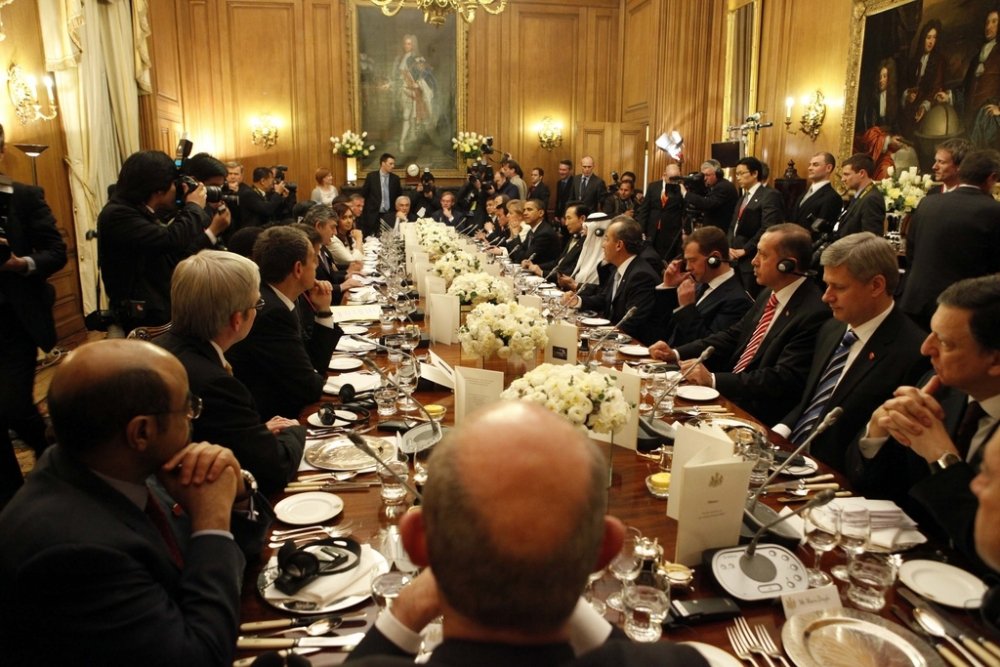
Global responses to Iran US talks protests have been measured, reflecting a preference for de-escalation over confrontation. European and Asian governments have encouraged dialogue while refraining from overt pressure that could close existing communication channels.
This cautious approach reflects recognition of Iran’s complex internal dynamics and the limited leverage external actors possess in shaping domestic outcomes.
Human Rights Concerns and Diplomatic Messaging
Human rights considerations remain intertwined with Iran US talks protests, influencing how Western governments frame their engagement. Reports of arrests, restrictions on communication, and use of force against demonstrators have prompted calls for accountability.
These concerns complicate diplomacy, as governments seek to balance advocacy for civil liberties with the practical need to sustain dialogue.
Economic Pressures Amplifying Public Discontent
Economic factors have intensified Iran US talks protests, with inflation, currency instability, and limited employment opportunities fueling dissatisfaction. Sanctions and constrained access to international markets have placed additional strain on households and businesses.
Economic stress has thus become a critical variable shaping both domestic sentiment and foreign policy calculations.
Role of Intermediaries in Managing Communication
Indirect diplomacy plays a key role in navigating Iran US talks protests. Third-party intermediaries help convey messages, reduce misunderstanding, and explore potential confidence-building steps without the visibility of formal negotiations.
These channels offer flexibility at a time when public diplomacy would carry high political risk for both sides.
Media Narratives and Information Control
Coverage of Iran US talks protests varies sharply across media environments. State-aligned outlets emphasize sovereignty and resilience, while international media focus on dissent and rights concerns.
This divergence shapes public perception, influencing how domestic and global audiences interpret both the protests and diplomatic developments.
Expert Insight on Diplomacy Under Pressure
One regional analyst said,
“When diplomacy unfolds alongside sustained protests, every external signal is filtered through questions of internal legitimacy, making progress inherently fragile.”
Strategic Calculations as 2026 Unfolds
As the year progresses, Iran US talks protests are expected to continue shaping strategic thinking in both Tehran and Washington. Neither side appears eager for escalation, yet both face domestic constraints that limit flexibility.
This environment favors incremental steps over sweeping agreements, with risk management taking precedence over ambitious diplomacy.
Public Expectations and Political Risk
Public expectations surrounding Iran US talks protests remain uncertain. Protesters seek tangible improvements, while supporters of the government prioritize stability and independence.
Managing these competing expectations represents a significant political risk for Iran’s leadership, particularly as international attention remains focused on domestic developments.
Long-Term Impact on Bilateral Relations
The manner in which Iran US talks protests are handled could shape bilateral relations well beyond 2026. Analysts suggest that sustained unrest may constrain diplomatic options, while successful de-escalation could reopen broader engagement.
Domestic stability is likely to remain a prerequisite for any meaningful diplomatic breakthrough.
Why This Period Marks a Diplomatic Stress Test
The intersection of unrest and dialogue makes Iran US talks protests a defining stress test for modern diplomacy, where internal legitimacy and external engagement are deeply intertwined.
This moment underscores how domestic politics increasingly influence international relations in a connected world.
A Moment That Will Define the Year Ahead
The unfolding developments around Iran US talks protests illustrate how political pressure at home can reshape diplomacy abroad. The outcome will depend on restraint, communication, and the ability of all parties to balance principle with pragmatism.
Whether this period leads to de-escalation or deeper division remains one of the most consequential questions facing the region in 2026.