
London, United Kingdom — March 6, 2026 — Parliament News — Financial markets are closely watching developments in the Middle East as the Iran war economic impacts begin to influence oil prices investor sentiment and global economic forecasts. Rising tensions have created uncertainty across markets and have forced investors to reassess risk levels in an already fragile economic environment.
Energy markets are typically the first to react when geopolitical tensions rise in the Middle East. Because Iran sits near the Strait of Hormuz, one of the world’s most important oil transit routes, any instability in the region can quickly affect global energy supply. As a result the Iran war economic impacts are already being reflected in fluctuating oil prices and increased volatility across stock markets.
Investors Move Toward Safer Assets
Periods of geopolitical instability often lead investors to seek assets that can provide stability during uncertain conditions. Gold government bonds and defensive stocks frequently attract capital when market risks rise.
The current Iran war economic impacts have encouraged many investors to reduce exposure to sectors that are highly sensitive to global trade or energy costs. Technology stocks, emerging markets and manufacturing companies tend to face greater volatility during geopolitical crises.
By contrast investors often increase holdings in assets considered safe havens. These shifts in investment strategy are designed to protect portfolios from sudden market shocks caused by geopolitical events.
Energy Markets Feel Immediate Pressure
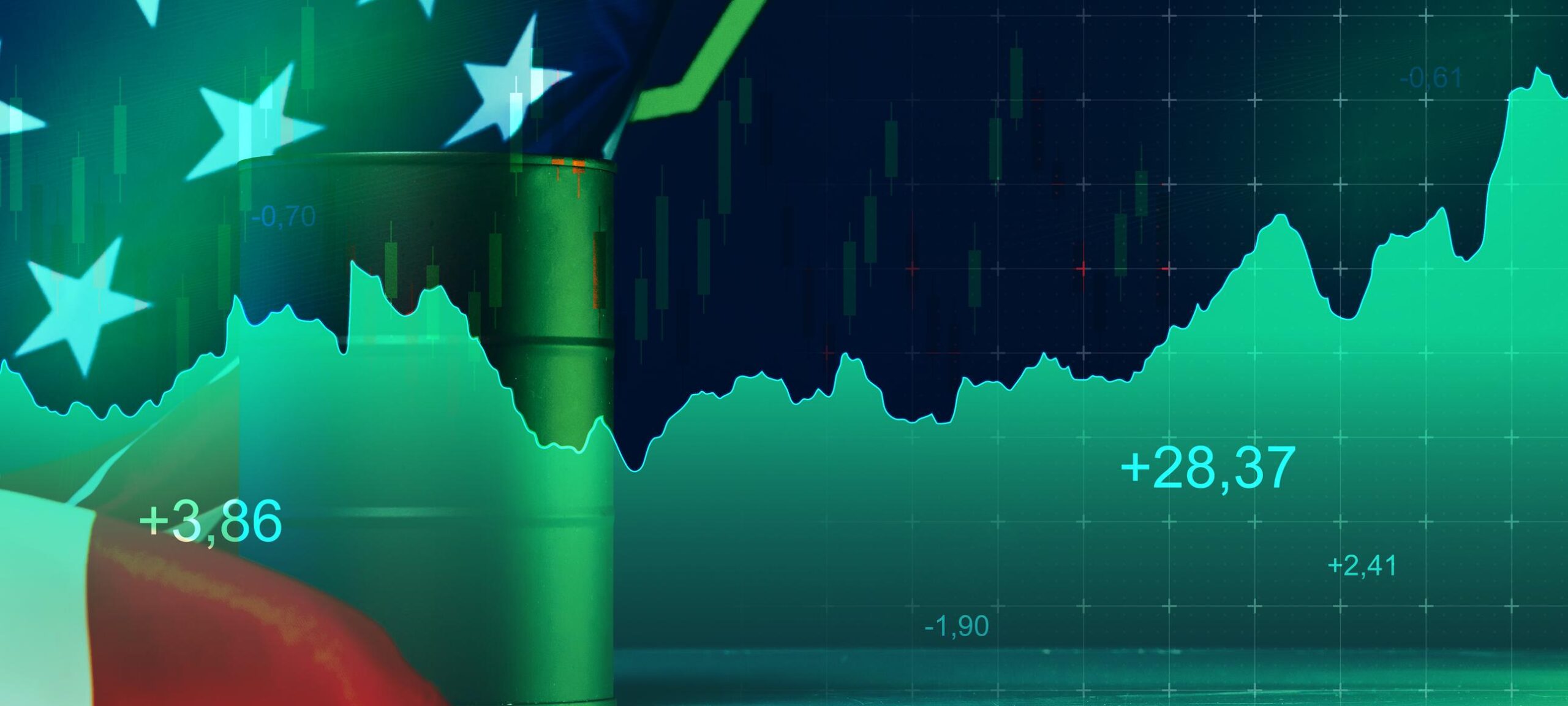
Oil markets remain particularly sensitive to developments involving Iran. The country is strategically located near shipping lanes through which a large share of the world’s oil supply travels every day.
Any disruption to shipping routes or fears of supply shortages can push oil prices higher within hours. Rising energy costs affect transportation, manufacturing and consumer prices across the global economy.
Because of this relationship the Iran war economic impacts are often most visible in the energy sector. Higher oil prices can ripple through global markets and influence inflation rates in multiple countries.
Stock Markets Show Signs of Volatility
Equity markets around the world have shown increasing volatility as traders react to geopolitical developments. Sudden price swings reflect the difficulty investors face when trying to predict economic conditions during periods of conflict.
Companies with global supply chains or heavy energy consumption are especially vulnerable to rising oil prices. Airlines transportation firms and manufacturing industries can experience rising operating costs when fuel prices increase.
The Iran war economic impacts are therefore not limited to energy markets alone. They can spread quickly across multiple sectors of the global economy.
Historical Comparison With Past Energy Shocks
Financial analysts often look to history when evaluating the potential consequences of geopolitical conflicts. One of the most widely cited examples is the oil crisis of the 1970s, when tensions in the Middle East triggered a dramatic increase in global energy prices.
During that period many Western economies experienced inflation economic slowdown and fuel shortages as oil supply became constrained. Markets responded with significant volatility as governments struggled to stabilize economic conditions.
Although today’s global economy is more diversified the Iran war economic impacts highlight how conflicts in energy producing regions can still influence markets worldwide. Lessons from past crises continue to shape how investors and policymakers respond to modern geopolitical risks.
Economic Forecasting Becomes Difficult
One of the biggest challenges during geopolitical crises is the lack of visibility regarding future economic conditions. Analysts must evaluate multiple possible outcomes ranging from short term tensions to prolonged regional instability.
The Iran war economic impacts have therefore complicated economic forecasting for financial institutions and governments. Businesses must also consider how rising energy prices or supply disruptions could affect their operations.
Companies involved in transportation logistics and manufacturing are particularly sensitive to changes in energy costs. Even small increases in fuel prices can influence profit margins and long term investment decisions.
Expert Insight on Market Behavior
Market strategists say investor caution during geopolitical conflicts is a predictable reaction.
One financial analyst explained the current market mood by saying
“Investors tend to move toward assets that provide stability when geopolitical uncertainty rises and that behavior is clearly visible in markets today.”
This observation reflects how the Iran war economic impacts are influencing portfolio decisions across financial markets.
Global Economic Stability at Risk
The broader economic consequences of geopolitical conflicts often extend beyond financial markets. Higher energy prices can affect consumer spending industrial production and international trade.
Central banks must carefully monitor inflation risks while maintaining economic growth. Governments may also face pressure to support industries affected by rising costs.
As the conflict continues the Iran war economic impacts could influence economic policy decisions in multiple countries. Financial institutions and investors alike are watching developments closely.
Markets Navigate an Uncertain Future
The global economy is entering a period of heightened uncertainty as geopolitical tensions reshape financial markets. Investors are balancing risk management strategies with the search for new opportunities in a volatile environment.
While markets have historically demonstrated resilience during geopolitical crises the Iran war economic impacts remain a key factor shaping investor sentiment and economic forecasts.
For businesses governments and investors alike the coming months may determine whether markets stabilize or continue experiencing volatility as the geopolitical situation evolves.