
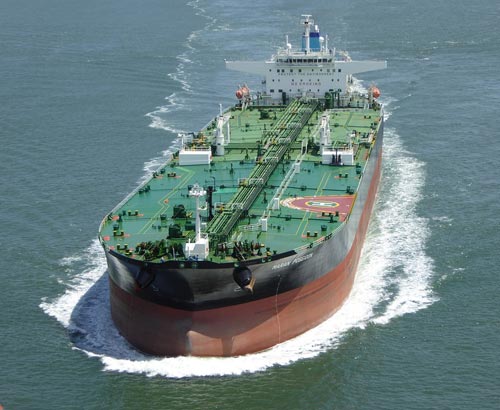
London, United Kingdom — March 6, 2026 — Parliament News — The UK energy crisis is once again becoming a major concern for policymakers and energy analysts as tensions involving Iran threaten global oil supply routes and international energy markets.
Energy prices across Europe have already shown signs of volatility in recent months. Experts warn that any disruption to major shipping routes in the Middle East could quickly push oil prices higher, leading to rising fuel costs and increased electricity prices for British households.
Because the United Kingdom is closely tied to global energy markets, sudden changes in supply conditions can rapidly affect domestic prices. The growing risk of geopolitical instability is therefore placing renewed attention on the potential consequences of the UK energy crisis.
Why Global Energy Markets Affect Britain
Although Britain produces some of its own oil and gas, the country still relies heavily on global energy markets. Prices paid by consumers are largely determined by international supply and demand rather than domestic production alone.
When geopolitical tensions threaten oil producing regions or shipping routes, traders often react immediately. This reaction can drive up crude oil prices worldwide.
As a result, the UK energy crisis can intensify even when disruptions occur thousands of miles away from British shores. Oil price fluctuations can quickly influence petrol prices, electricity costs, and heating bills across the country.
Fuel Prices and Household Energy Costs
One of the most immediate effects of energy market instability is higher fuel prices. Petrol and diesel prices tend to rise quickly when crude oil becomes more expensive.
For households already dealing with rising living costs, a worsening UK energy crisis could mean increased expenses for commuting, transportation, and daily activities.
Electricity prices may also rise if natural gas markets experience shortages or supply disruptions. In the United Kingdom, natural gas plays a major role in electricity generation, meaning that changes in gas prices can directly affect power bills.
For millions of families, energy affordability has become a key economic concern.
Economic Pressure Across Key Industries
Energy costs influence far more than just household bills. Industries across the economy rely on stable and affordable energy supplies to operate efficiently.
Manufacturing companies depend on electricity and fuel to power factories and machinery. Transportation companies require fuel to move goods across the country. Agricultural producers also rely heavily on energy for farming equipment and distribution.
If the UK energy crisis deepens, businesses could face rising operating costs. These increases may eventually be passed on to consumers in the form of higher prices for goods and services.
Such pressure could slow economic growth and increase inflationary challenges for policymakers.
Historical Comparison With Past Energy Shocks
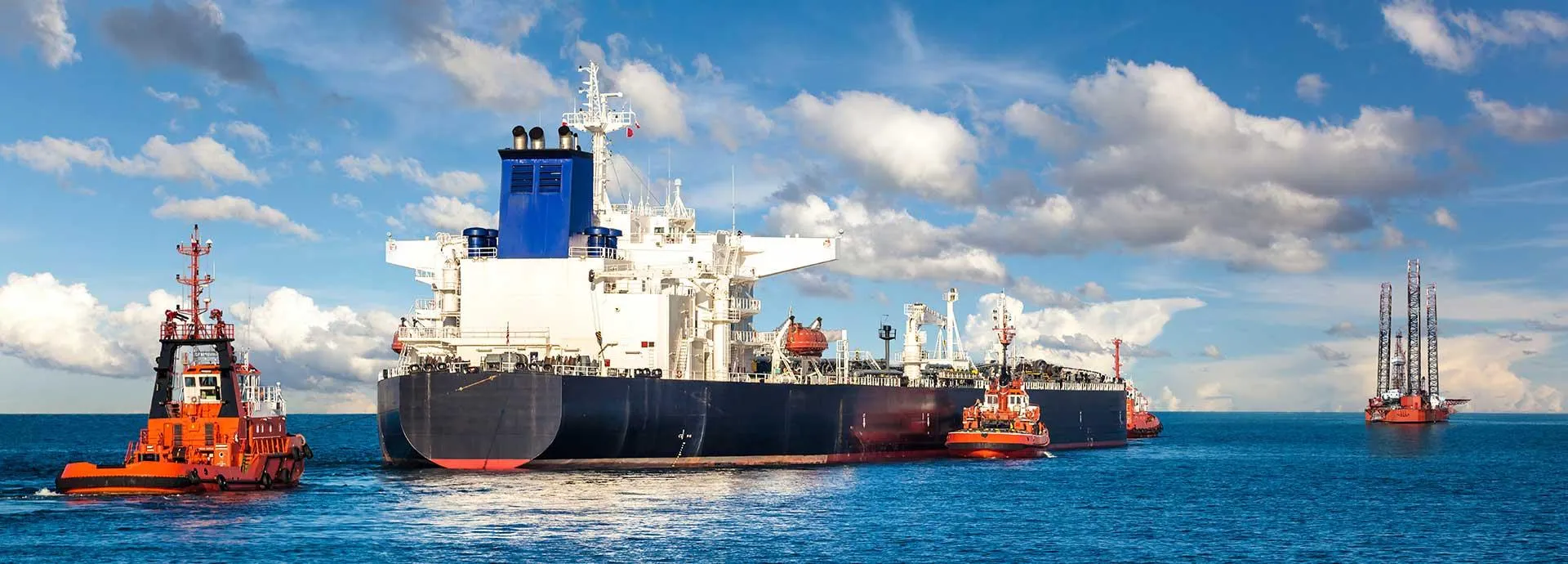
The current situation has drawn comparisons to previous global energy crises. One of the most significant examples occurred during the 1970s when geopolitical tensions in the Middle East triggered a dramatic rise in oil prices.
During that period, Western economies experienced fuel shortages, inflation, and economic slowdown as oil supplies tightened.
Many experts believe that while today’s energy markets are more diversified, global supply disruptions can still produce similar economic consequences. The current geopolitical tensions highlight how the UK energy crisis could develop if global oil flows were significantly disrupted.
History shows that energy markets can respond rapidly when supply stability is threatened.
Energy Security and Government Policy
British policymakers have increasingly focused on improving energy security in recent years. Efforts have been made to expand renewable energy production including offshore wind and solar power projects.
Investments in nuclear energy and improvements to national energy infrastructure have also been part of the strategy to strengthen long term supply stability.
However, global fossil fuel markets still influence domestic energy prices. Even as renewable energy grows, the UK energy crisis remains tied to international oil and gas markets.
Diversifying energy sources remains a critical part of protecting the country’s economic stability.
Expert Warning
Energy economists continue to warn that global markets remain highly sensitive to geopolitical developments.
One energy strategist explained the situation clearly:
“Energy markets react quickly to geopolitical instability, and even small disruptions in major shipping routes can influence fuel prices across Europe within hours.”
Such warnings highlight the potential for the UK energy crisis to worsen if tensions escalate in key oil producing regions.
Europe’s Shared Energy Challenges
The United Kingdom is not the only country facing energy security challenges. Across Europe, governments are working to reduce dependence on vulnerable supply routes.
Regional cooperation has become increasingly important for managing energy risks. Shared infrastructure and coordinated policies can help stabilize markets during times of disruption.
Nevertheless, global supply chains remain interconnected, meaning the UK energy crisis cannot be fully separated from international developments.
What the Future May Hold
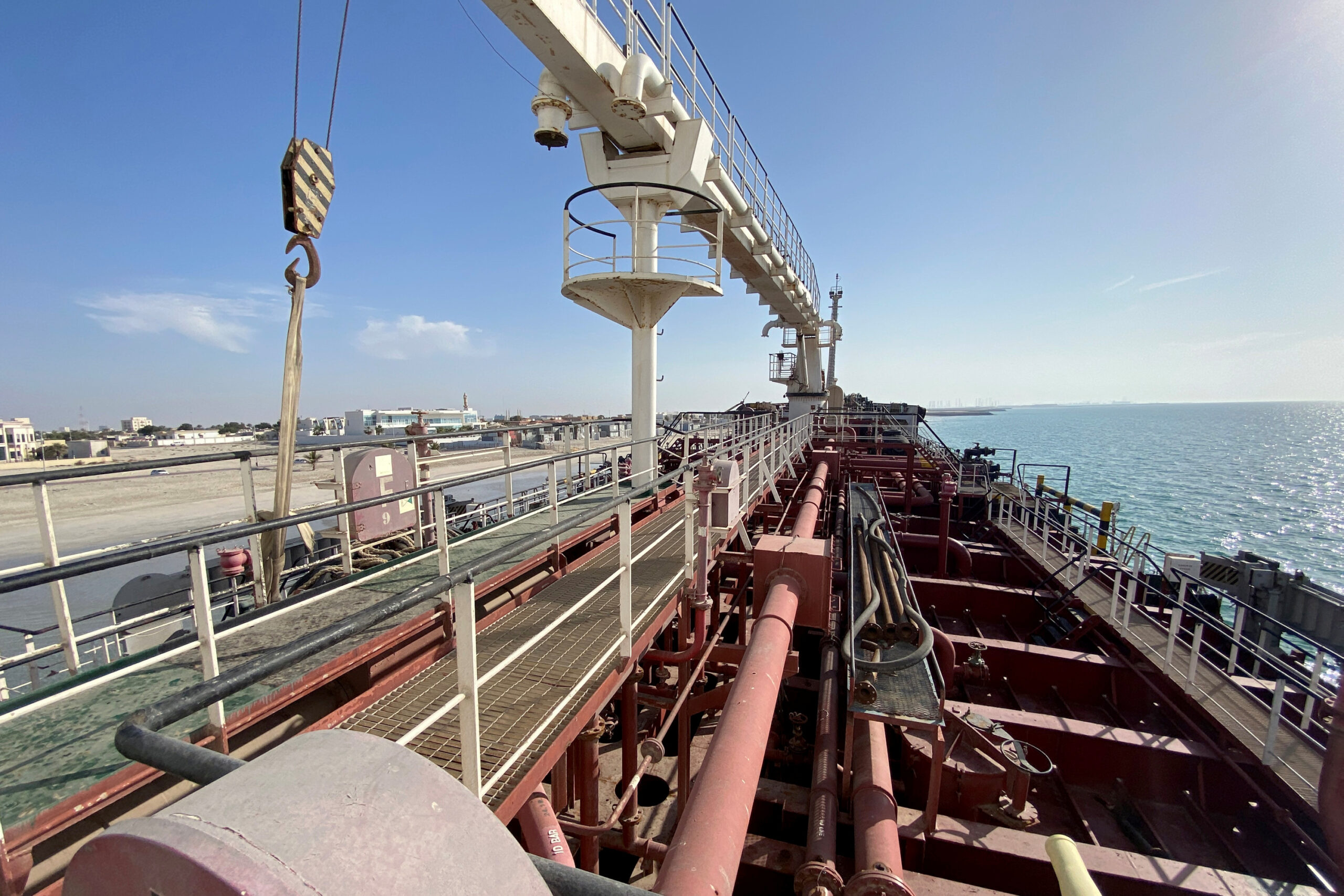
The coming months will be crucial for determining whether global energy markets remain stable or face new disruptions.
Diplomatic developments, shipping security, and international negotiations will all influence how energy markets respond. If tensions ease, prices could stabilize and reduce pressure on consumers.
However if instability spreads, the UK energy crisis could become a more significant economic challenge.
For British households and businesses alike, the evolving global energy landscape will continue to shape fuel prices, electricity costs, and economic stability in the years ahead.