Israel Hezbollah conflict escalates after Israeli strikes target Hezbollah positions in southern Lebanon.
Lebanese officials signal possible policy changes regarding the Iran backed militia as regional tensions grow.
Global leaders call for restraint while analysts warn the conflict could trigger wider instability in the Middle East.
Jerusalem, Lebanon — March 6, 2026 — Parliament News — The Israel Hezbollah conflict intensified this week after Israeli forces launched targeted air operations against positions believed to be linked to Hezbollah in southern Lebanon. The military action comes as regional tensions rise and Lebanon faces growing internal debate over the influence of Iran backed militias within the country.
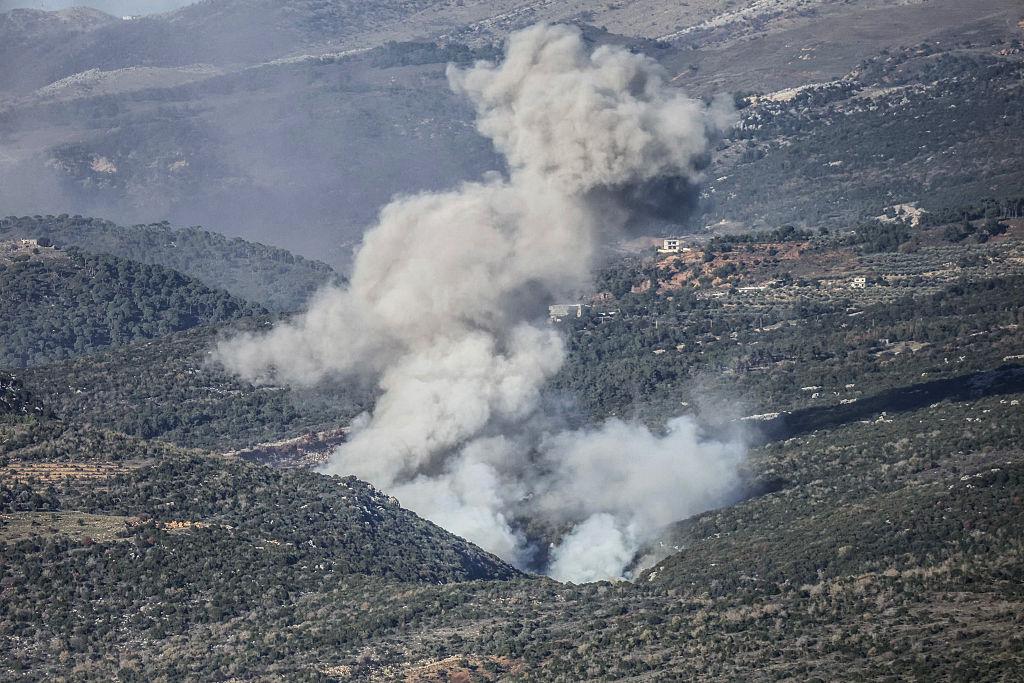
Israeli defense officials confirmed that the strikes focused on locations suspected of housing weapons storage facilities and communication infrastructure used by Hezbollah fighters. Authorities said the operation was carried out in response to intelligence reports suggesting increased militant activity near the border.
The renewed confrontation highlights the fragile security environment along the Israel Lebanon frontier and underscores the continuing risk that localized clashes could evolve into a broader regional crisis.
Israeli strikes target Hezbollah infrastructure
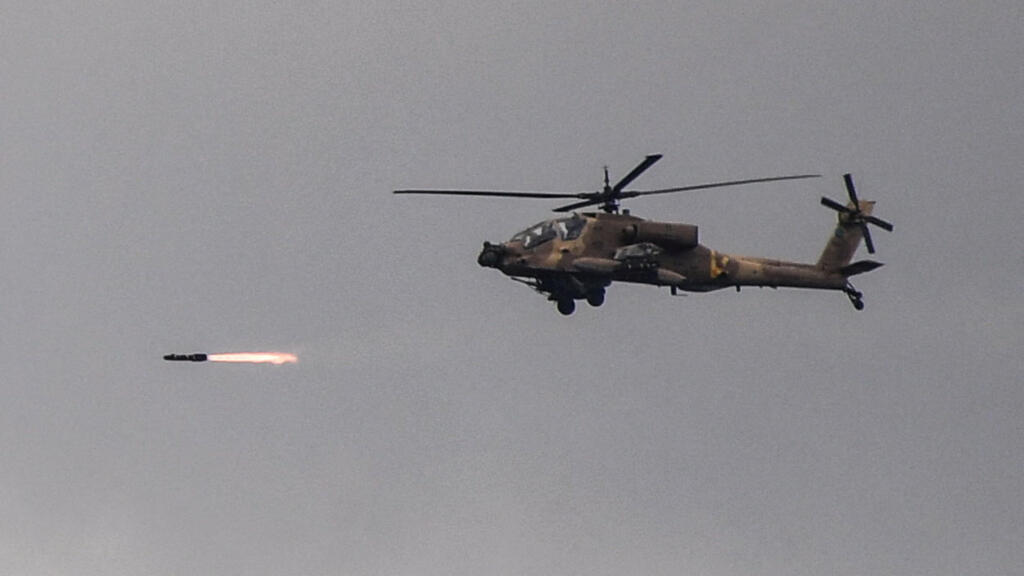
Israeli military officials stated that the airstrikes were designed to disrupt Hezbollah’s operational capabilities and prevent potential attacks against Israeli communities near the northern border. According to defense sources, several sites connected to the militant group’s logistics network were hit during the operation.
The Israeli government has repeatedly warned that Hezbollah’s expanding arsenal of rockets and drones poses a serious threat to civilians. Officials say military actions are intended to limit the group’s ability to deploy advanced weapons systems close to Israeli territory.
Reports from southern Lebanon described multiple explosions during the early hours of the morning as aircraft struck locations believed to be used by Hezbollah fighters. Local residents said smoke could be seen rising from areas outside several border villages.
These developments have once again placed the Israel Hezbollah conflict at the center of international attention.
Lebanon faces growing political pressure
The latest escalation comes at a difficult time for Lebanon’s government. The country has been struggling with a prolonged economic crisis that has weakened state institutions and intensified political divisions.
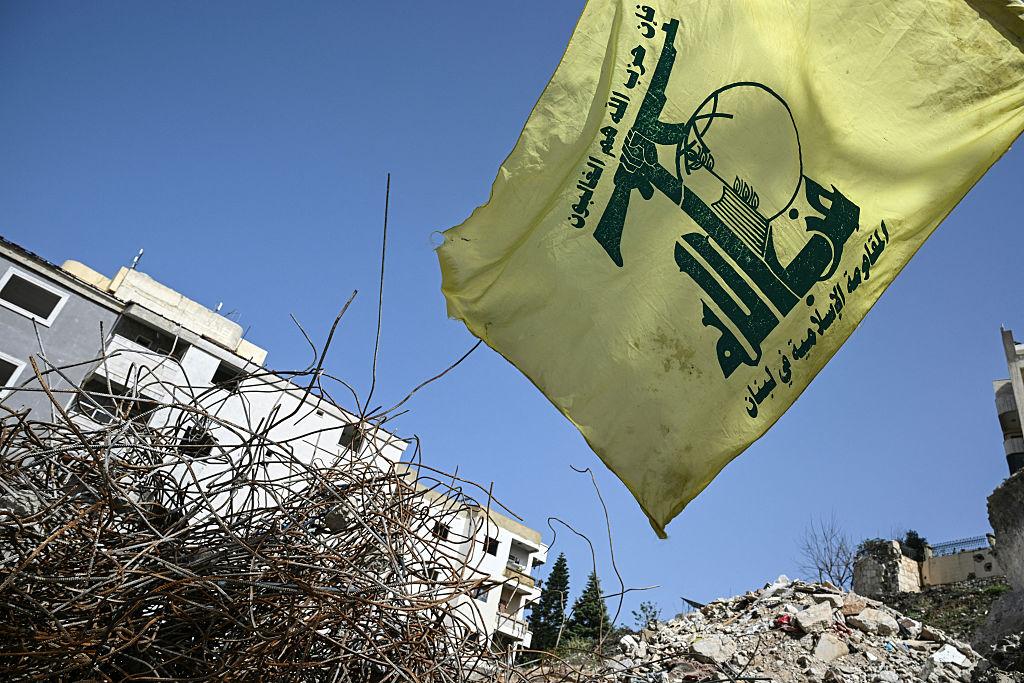
Some Lebanese leaders have recently suggested that the government may reconsider how armed groups operate within the country. Hezbollah has long held a powerful position in Lebanese politics while also maintaining an independent military force.
This dual role has created tension between political factions that support Hezbollah’s presence and those who argue that national security should be controlled solely by the Lebanese army.
As the Israel Hezbollah conflict continues to dominate regional headlines, these internal debates have become increasingly urgent.
Regional alliances and Iranian influence
Hezbollah’s relationship with Iran remains a central factor shaping the broader geopolitical landscape. Tehran has historically provided financial assistance, weapons, and training to the militant group.
Israeli leaders frequently point to this connection as evidence that Hezbollah is part of a larger regional strategy aimed at expanding Iranian influence across the Middle East.
Because of these dynamics the Israel Hezbollah conflict is often seen as more than just a border dispute. Instead it reflects deeper rivalries between regional powers competing for influence in the Middle East.
Security analysts note that tensions involving Iran, Israel, and various regional actors have intensified in recent years, making diplomatic solutions increasingly complex.
Civilian communities living under tension
Border communities in both Israel and Lebanon remain among the most vulnerable to the consequences of military escalation. Residents in northern Israel regularly prepare for the possibility of rocket attacks while villages in southern Lebanon face uncertainty whenever airstrikes occur nearby.
Local economies in these regions often suffer during periods of heightened security concerns. Schools and businesses may close temporarily while emergency services remain on alert.
Many residents say they have grown accustomed to the constant tension surrounding the Israel Hezbollah conflict, but they continue to hope that long term stability can eventually replace recurring cycles of confrontation.
Humanitarian groups have also warned that prolonged instability could place additional strain on already fragile infrastructure in southern Lebanon.
Historical comparison with the 2006 war
The current situation inevitably draws comparisons to the major war that erupted between Israel and Hezbollah in 2006. That conflict began after Hezbollah fighters captured Israeli soldiers near the border, triggering a large scale military response from Israel.
The fighting lasted more than a month and caused widespread destruction in Lebanon while rockets were fired into Israeli cities. Thousands of homes, roads, and infrastructure facilities were damaged during the conflict.
Although a ceasefire eventually ended the war, tensions never completely disappeared. The Israel Hezbollah conflict has continued in various forms ever since, with both sides strengthening their military capabilities.
Analysts warn that while the present confrontation remains limited, the history of the conflict demonstrates how quickly tensions along the border can escalate into a full scale war.
Global leaders call for restraint
International leaders have urged both sides to avoid actions that could escalate the crisis. Diplomatic officials say maintaining stability along the Israel Lebanon border is critical for the security of the wider Middle East.
United Nations peacekeeping forces stationed in southern Lebanon continue to monitor developments and encourage all parties to respect existing ceasefire arrangements.
The Israel Hezbollah conflict has often required extensive diplomatic engagement to prevent broader wars from breaking out.
Many governments believe that dialogue and political negotiation remain the most effective way to reduce tensions and prevent further violence.
Quote from regional security analyst
A regional security expert summarized the situation by explaining:
“Every new development in the Israel Hezbollah conflict shows how fragile stability in the region remains and how quickly local tensions can turn into a wider geopolitical crisis.”
Uncertain path ahead for regional stability
The coming months may prove critical in determining whether the latest escalation leads to further confrontation or renewed diplomatic efforts.
Both Israel and Hezbollah possess significant military capabilities, and analysts warn that miscalculations could quickly intensify the situation.
At the same time Lebanon’s internal political debate over the role of armed groups may shape how the country approaches future security challenges.
As the Israel Hezbollah conflict continues to unfold, global leaders and regional governments are closely watching developments in hopes that diplomatic efforts can prevent another major war in the Middle East.