


The Irish Sea border is one of the most controversial matters in UK and Northern Irish politics. Many are not quite sure what it is, where it is, or why it matters. The issue became prominent after Brexit, when the UK terminated membership in the EU and new trade regulations would have to be established. In this article, we will explain the idea of the Irish Sea border. You will understand where it is, how it works, and what it means for trade, politics, and everyday life.
What Is the Irish Sea Border?
The Irish Sea border means trade checks and controls are in place between Great Britain and Northern Ireland (NI). This does not mean a border, wall, or fence; it means customs and regulation checks. Goods coming from England, Scotland, or Wales seeking to enter Northern Ireland will face the prescribed inspections. These checks take place at ports in Northern Ireland, such as Belfast and Larne.
Why Was It Created?
The Irish Sea border was introduced to eliminate a hard border on the island of Ireland. A hard border between NI and the Republic of Ireland could risk peace agreements. To avoid this, the UK government and the EU decided to move the checks into the Irish Sea. This means goods can flow freely between Northern Ireland and the Republic of Ireland, with the checks taking place between Northern Ireland and the rest of the UK.
Where is the Irish Sea border?
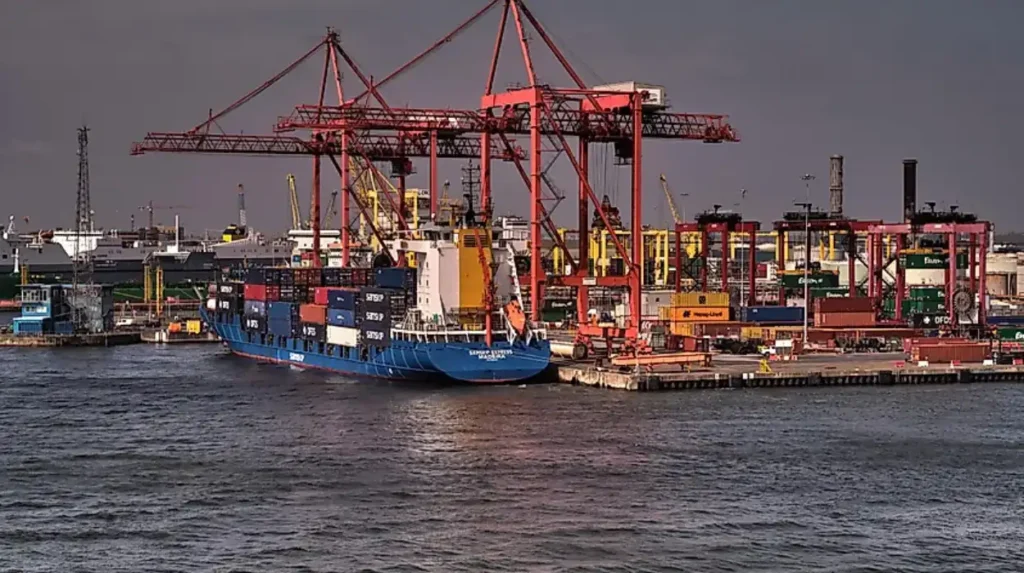
Many people think of a border as being a line drawn on a map, but the Irish Sea border is different. It is not marked out with fences or checkpoints down the middle of the water. It is present in the ports of Northern Ireland. The main ports that comply with the EU rules are
- Belfast Port
- Larne Port
- Warrenpoint Port
- Foyle Port
All checks are being completed on goods coming into Northern Ireland from Great Britain. The border isn’t in the sea; it is enforced when the goods land in Northern Ireland.
What does the Irish Sea border mean for trade activities?
The Irish Sea border has a huge impact on how goods are traded. The businesses that send goods from Great Britain to Northern Ireland now need to comply with all the EU standards for certain products.
Customs Declarations
Companies find they have customs compliance duties to resolve. To comply with responsibilities adds time and costs to their trading activities.
Food and Animal Products
A very limited commodity list is exempt from border checks. Meat, dairy, and plants all face border checks. The controls have been introduced at a substantial cost to ensure that food safety standards are fulfilled.
Business Impact
Some business owners in Great Britain have reported starting sales to Northern Ireland, but operations ceased because of the border and regulations. Others have adapted and are now using Northern Ireland as a trade-in/gateway/broker to sell into the EU.
Why is the Irish Sea border controversial?
The Irish Sea border is not only about trade. It encompasses identity, state politics, and sovereignty.
- Concern for Unionist Identity: Unionist communities in Northern Ireland see this border as splitting them from the rest of the UK, which helps to promote the idea that they are losing their British identity.
- Support for Nationalist Identity: In contrast, many nationalists appreciate the left or right controls in the system, which help to keep Northern Ireland connected to the Republic of Ireland and more connected as part of the EU.
- Political Disputes: This border has been among the most actively debated topics in the Northern Ireland Assembly, the UK Parliament, and discussions at the EU level. It is also one of the most complex and convoluted political issues for post-Brexit Britain.
How Does the Irish Sea Border Affect Daily Life?
For the majority of individuals in Northern Ireland, there is no substantial change to daily life. Travel between Great Britain and Northern Ireland is still a simple matter. People can fly or boat to Northern Ireland just as easily as they did previously, as there are no border checks.
Some products are more difficult to find in shops in Northern Ireland. Supply chains have broken down, and not all British goods are available at all times.
Not all additional checks are important, but they can help inflate costs. Some businesses have passed these costs on to consumers, so some items are now priced higher than before.
The Importance of the Irish Sea Border Globally
The Irish Sea Border is not just a local issue; it matters when we discuss international methods of trade and diplomacy.
- UK-EU Relations: It is a litmus test of how well the UK and EU can cooperate after Brexit.
- Interest from the US: The United States has also expressed an interest. The US will be supportive of arrangements that maintain peace in Northern Ireland, following the Good Friday Agreement.
- Larger Lessons/Implications: Other countries are observing the Irish Sea Border closely because it presents an interesting case study to understand how to reconcile trade rules with political sensitivities.
The Reality of the Irish Sea Border
The Irish Sea border is not a line in the water but a set of protocols that enforce trade rules and checks at Northern Ireland’s ports. The Irish Sea Border was established to prevent a hard land border on the island of Ireland. In that regard, it does further the prospects of peace and trade with the Republic of Ireland. It has created division within Northern Ireland and built fences in UK-EU relations.
The query of “Where is it and what does it mean?” is answered by its geographical location in Northern Irish ports and its significance with respect to trade, politics, and identity. The Irish Sea border can be seen as a symbol of contradictions and tensions created by Brexit, particularly in relation to finding a balance between the needs of each of the different communities. The future of the Irish Sea border will be determined by continuing dialogue, compromise, and international cooperation.
