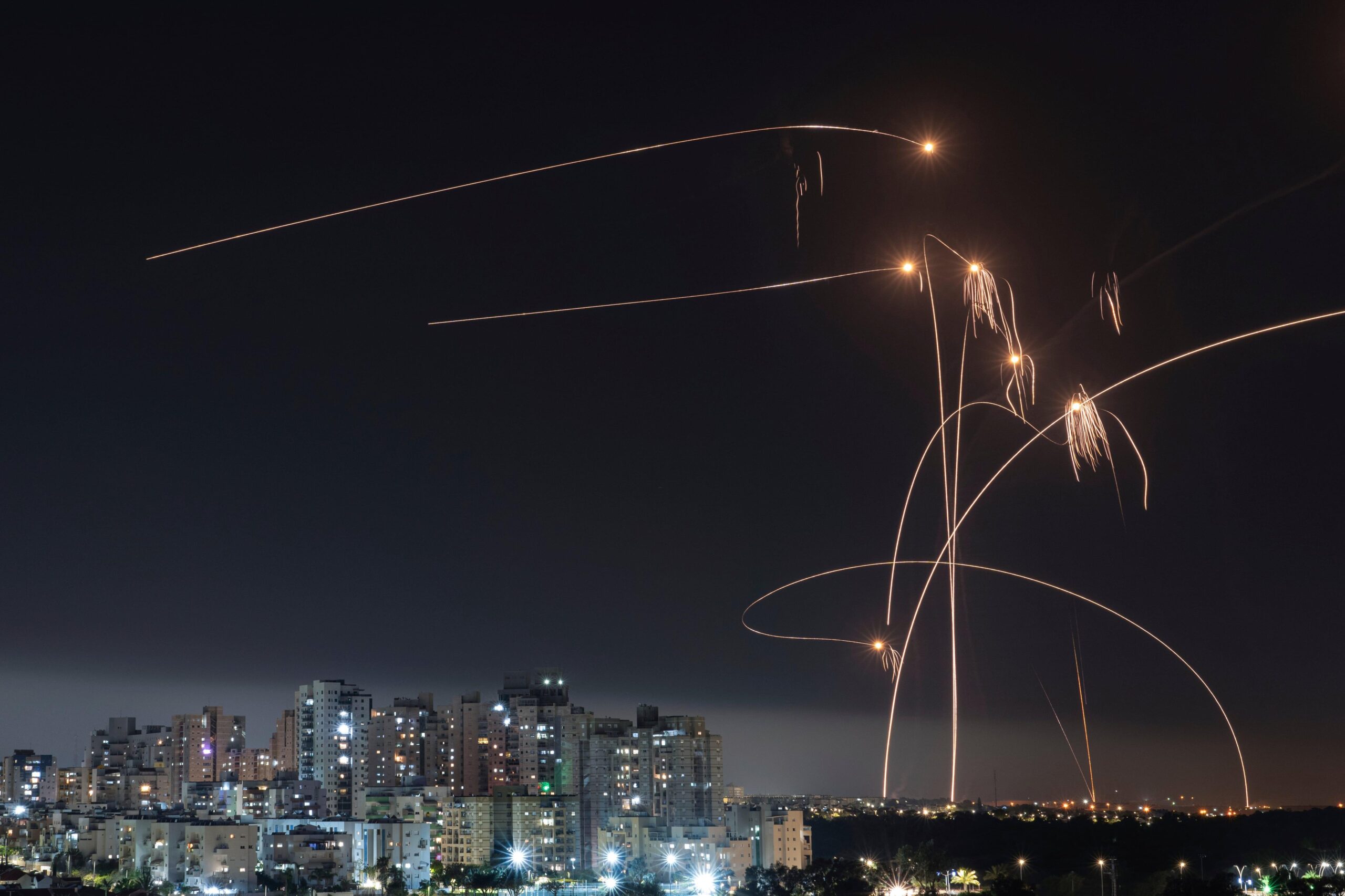
Northern Israel, April 10, 2026 (Parliament Politics Magazine)Israel border tensions are intensifying in 2026 as Hezbollah continues launching drones and missiles into northern Israel, marking a dangerous escalation in cross-border hostilities. The increase in both frequency and sophistication of attacks has placed the region on high alert.
Israeli defense systems have been activated repeatedly in response to incoming threats, intercepting many but not all projectiles. The ongoing exchanges are creating a volatile environment, with both military and civilian areas impacted.
This surge in activity reflects a broader shift in regional dynamics, with analysts warning that the situation may continue to deteriorate if left unchecked.
Drone Warfare Reshaping the Conflict
The growing use of drones has added a new dimension to Israel border tensions. These unmanned systems allow for targeted strikes while minimizing risk for those deploying them, making them an increasingly attractive tactical option.
Drones are also being used for surveillance, providing real-time intelligence that enhances operational effectiveness. This dual-use capability complicates defensive strategies and requires constant adaptation.
A regional security analyst noted:
“Drone warfare has introduced a level of unpredictability that makes escalation more difficult to control. It’s no longer just about missiles—it’s about constant monitoring and rapid response.”
Missile Strikes Intensify Pressure
In addition to drones, missile launches have become more frequent, targeting strategic locations near the border. These attacks are often coordinated to overwhelm defense systems and maximize impact.
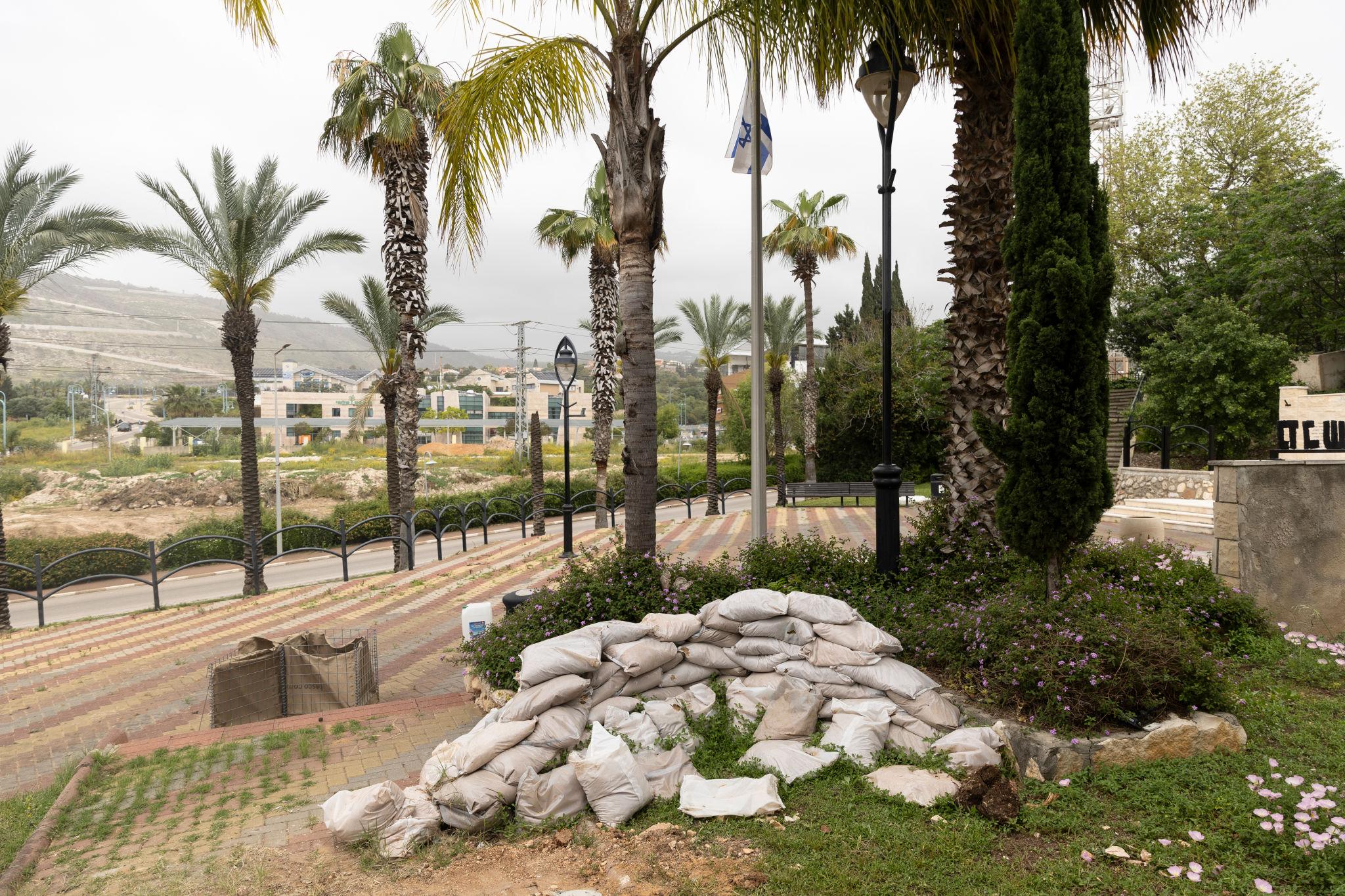
Communities in northern Israel have experienced repeated disruptions, including air raid sirens and temporary closures of schools and businesses. The constant threat environment is taking a toll on daily life.
Israeli forces have responded with counterstrikes aimed at reducing launch capabilities and deterring further attacks, though the effectiveness of these measures remains under close scrutiny.
Civilian Impact and Emergency Measures
Israel border tensions are not only a military issue but also a humanitarian concern. Thousands of civilians have been evacuated from high-risk zones as authorities prioritize safety.
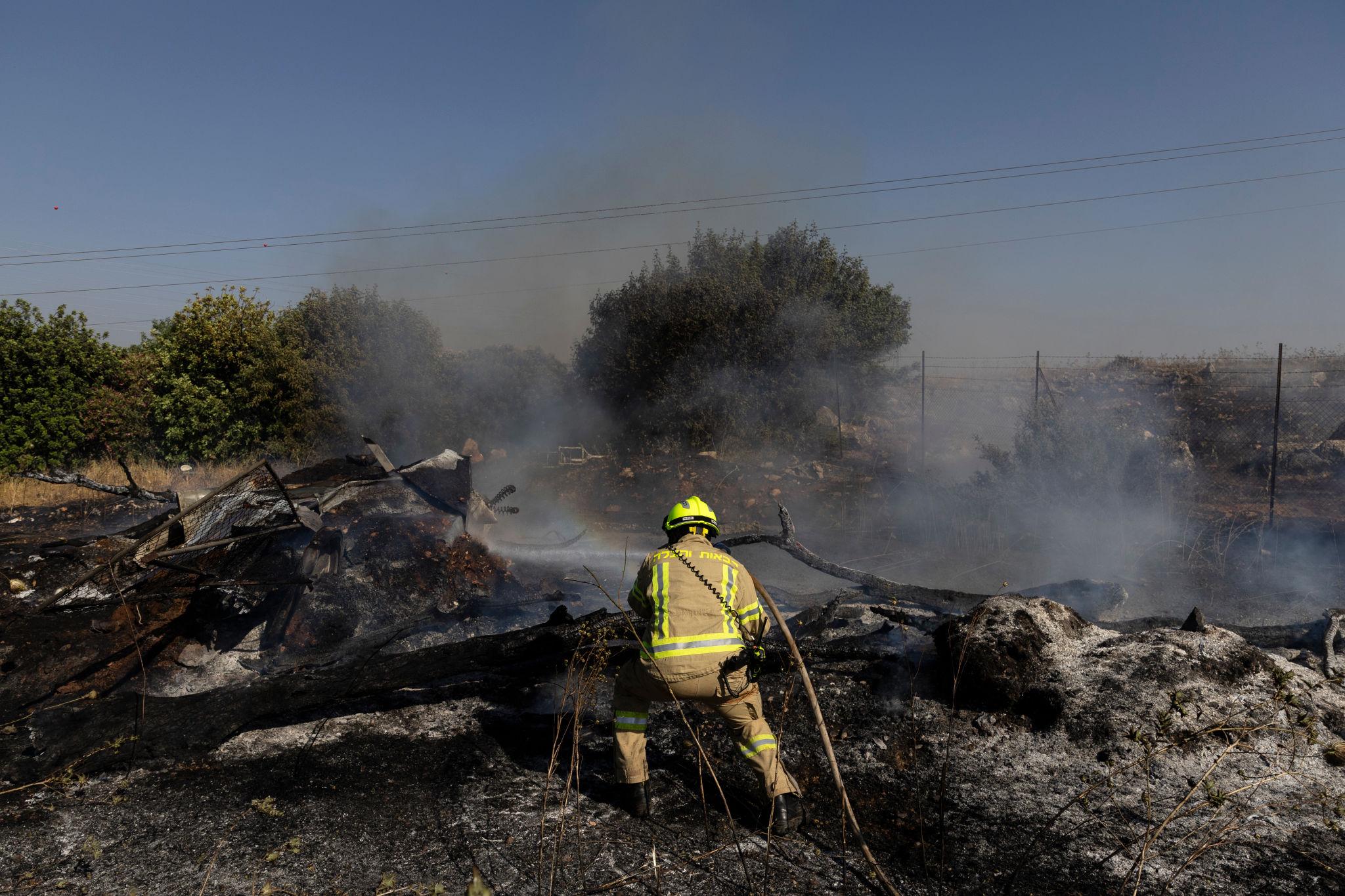
Emergency services are operating under sustained pressure, providing shelter, medical assistance, and logistical support to affected populations. The psychological impact of ongoing threats is also becoming increasingly evident.
A local official stated:
“Our focus is on protecting communities while maintaining stability. The situation remains challenging, but preparedness is critical.”
Strategic Risks of Regional Escalation
The continued escalation of Israel border tensions raises the possibility of a broader regional conflict. With multiple actors involved, the risk of miscalculation is significant.
Geopolitical experts warn that sustained hostilities could draw in additional forces, potentially expanding the scope of the conflict beyond current boundaries. This scenario would have far-reaching implications for global security.
International calls for restraint have increased, but achieving meaningful de-escalation remains a complex challenge.
Military Readiness and Defensive Strategy
Israel has strengthened its northern defenses in response to rising threats. Advanced interception systems and increased troop deployments are central to its strategy.
However, the volume and frequency of attacks are testing the limits of these defenses. Continuous adaptation is required to address evolving tactics and maintain operational effectiveness.
A defense analyst commented:
“The key challenge is maintaining a balance between defense and deterrence. Sustained pressure requires a comprehensive response.”
Global Reaction and Diplomatic Efforts
The escalation of Israel border tensions has drawn attention from the international community. Governments and organizations are urging restraint and calling for renewed diplomatic engagement.
While discussions are ongoing, progress has been limited due to the complexity of the situation and competing interests. The lack of immediate resolution continues to fuel uncertainty.
Global leaders remain concerned about the potential for the conflict to expand and impact broader geopolitical stability.
Economic and Security Implications
The rising Israel border tensions are also affecting economic conditions in the region. Disruptions to trade, transportation, and tourism are becoming more pronounced.
Energy markets are particularly sensitive to developments, with concerns about supply disruptions influencing global prices. This adds an additional layer of pressure on an already tense situation.
Businesses and local economies are adapting to the evolving landscape, but uncertainty continues to pose significant challenges.
What Lies Ahead
The future of Israel border tensions remains uncertain. Continued attacks and countermeasures could lead to a prolonged cycle of escalation.
Both military action and diplomatic efforts will play a crucial role in determining the outcome. Without effective intervention, the risk of a wider conflict remains high.
Observers emphasize the importance of strategic restraint and coordinated efforts to prevent further deterioration.
Key Takeaways
Israel border tensions are escalating rapidly with increased drone and missile attacks in 2026.
Civilians are being evacuated while military responses intensify along the northern frontier.
Experts warn the situation could expand into a broader regional conflict if not contained.