

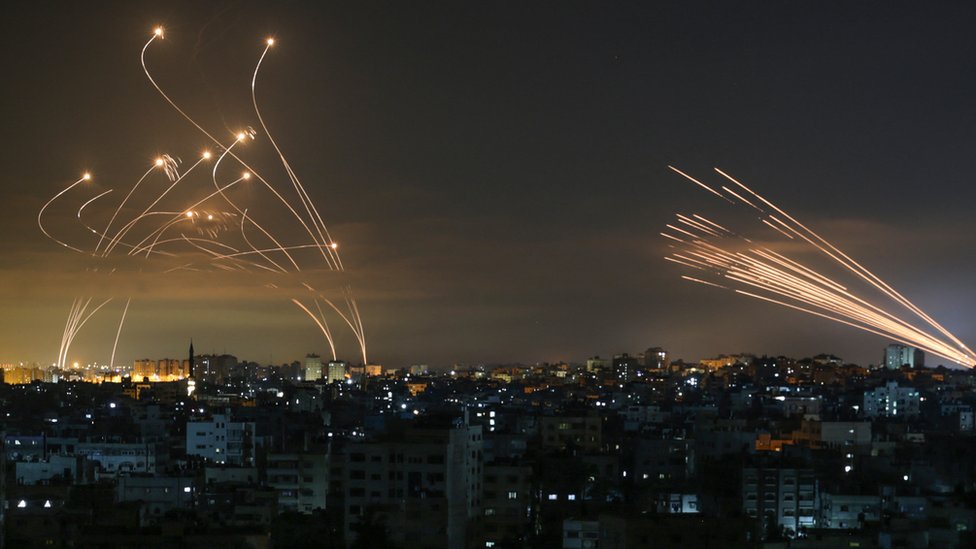
Missile alerts sounded across Israel as air defenses intercepted incoming threats in the early hours of the morning.
The Israeli missile interception system activated rapidly to neutralize multiple aerial targets.
Security analysts say the event highlights the growing importance of advanced missile defense technology.
Israel Air Defense System Activated After Missile Launch
TEL AVIV, Israel – March 7, 2026 (Parliament News) — Early morning sirens echoed across parts of Israel after radar networks detected incoming aerial threats heading toward the country. Within seconds, the Israeli missile interception system was activated to intercept the projectiles before they could reach populated areas.
Emergency alert systems immediately notified residents to move toward shelters while defense command centers began monitoring the trajectory of the missiles. The defensive response was swift, with interceptor missiles launched to destroy the incoming threats midair.
Authorities confirmed that several interceptions occurred over multiple regions, reducing the risk to civilians and critical infrastructure. Although debris from interceptions was reported in some locations, officials said the defense network prevented major damage.
The activation of the Israeli missile interception system highlights the central role that advanced defense technology now plays in protecting populations from aerial attacks.
Civil Defense Systems Mobilize Across Israel
When early detection radars signaled incoming missiles, nationwide civil defense systems quickly activated emergency protocols.
Public warning sirens sounded across multiple cities, including areas near Tel Aviv and central Israel. Residents were instructed through emergency broadcasts to remain inside shelters until authorities confirmed the airspace was secure.
Emergency services and medical teams were placed on high alert. Local municipalities opened additional shelters, and transportation services paused operations temporarily in some areas as precautionary measures.
Officials emphasized that the rapid response of the Israeli missile interception system allowed emergency agencies to focus on public safety while defense units handled the aerial threat.
Israel’s civil preparedness programs have been developed over decades of regional tensions, making the country one of the most prepared nations in the world for missile alerts and defensive responses.
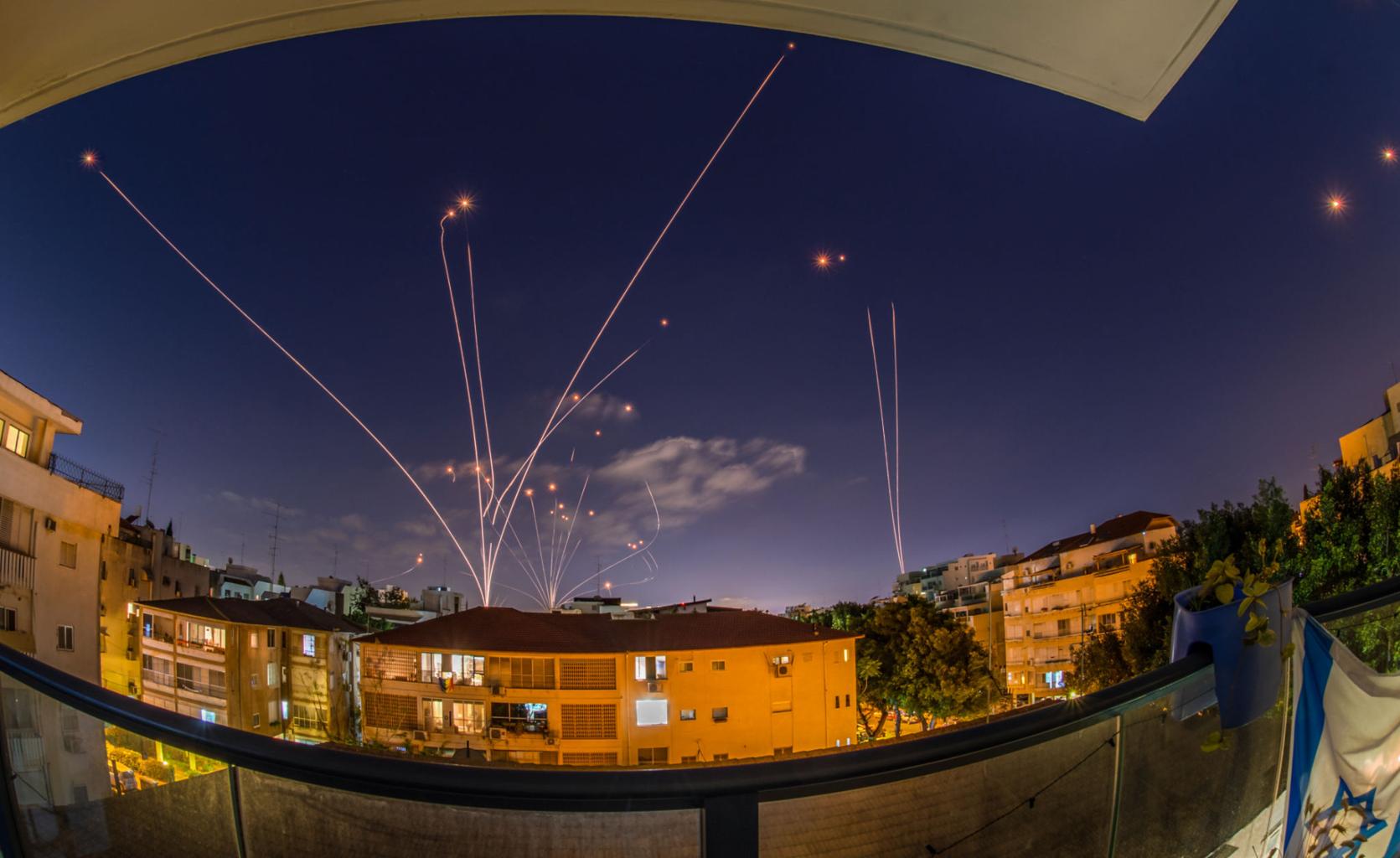
How Israel’s Missile Defense Network Protects Cities
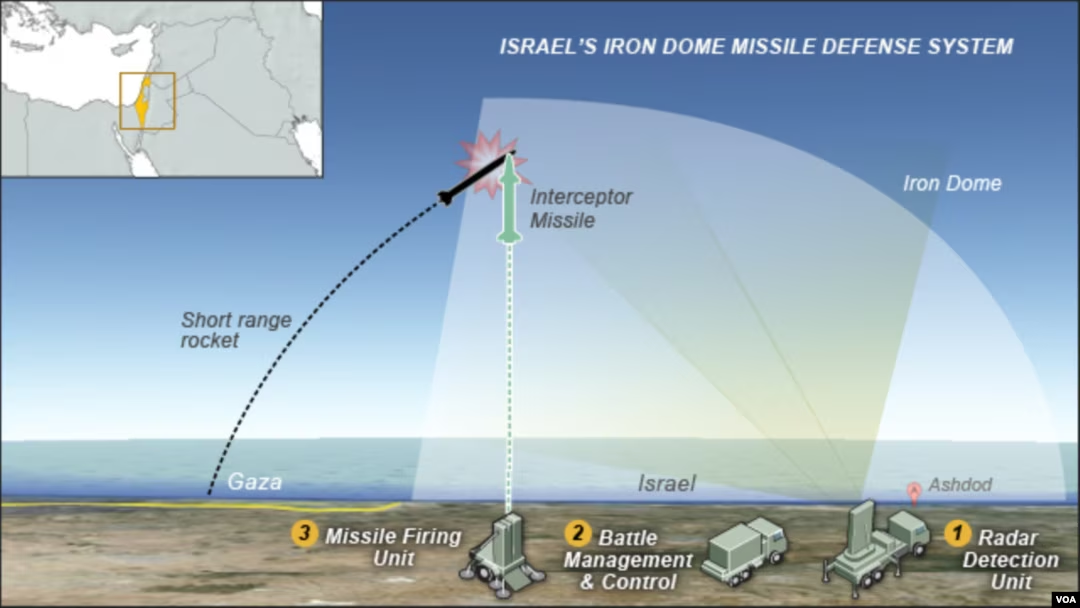
The Israeli missile interception system functions through a complex network of radar sensors, command centers, and interceptor missiles designed to detect and neutralize aerial threats in real time.
Radar systems continuously scan the skies for potential launches. Once a missile is detected, advanced algorithms analyze its trajectory to determine whether it poses a threat to populated areas.
If the missile is predicted to land in a populated region, interceptor missiles are launched to destroy it midair. If the projectile is expected to fall in an unpopulated area, interception may not occur to conserve defensive resources.
This layered approach allows the Israeli missile interception system to efficiently manage multiple threats at once while maintaining readiness for additional launches.
Defense officials say the technology behind this system has evolved significantly over the past two decades, incorporating artificial intelligence and faster processing speeds.
Regional Security Tensions Continue to Rise
The activation of the Israeli missile interception system occurred amid ongoing tensions across the Middle East.
Political disagreements, military confrontations, and strategic rivalries have contributed to a volatile security environment. Missile threats have become a persistent concern for several nations in the region.
Security analysts warn that incidents like this demonstrate how quickly tensions can escalate into military exchanges that place civilian populations at risk.
One regional security analyst explained the importance of defense preparedness:
“Advanced air defense networks are becoming essential because missile threats can travel hundreds of kilometers within minutes.”
While the interception of incoming threats prevented immediate casualties, the broader geopolitical environment remains uncertain.
Global Reactions to the Interception Event
The international community closely monitored the activation of the Israeli missile interception system.
Several governments called for restraint and emphasized the need for diplomatic engagement to prevent further escalation.
Global leaders expressed concern that continued military exchanges could destabilize the region and disrupt international markets, particularly energy supplies.
Defense experts also noted that the successful interceptions demonstrate the increasing importance of missile defense technology in modern warfare.
Countries facing similar threats are closely studying how the Israeli missile interception system operates and how such technologies could be adapted to their own defense strategies.
Military Experts Examine the Interceptions
Defense analysts reviewing the incident said the performance of the Israeli missile interception system shows the value of advanced detection and response technologies.
One military strategist commented:
“Missile interception capabilities are changing the strategic balance because they reduce the effectiveness of traditional rocket attacks.”
The system’s ability to detect threats quickly and respond within seconds allows military leaders to maintain control during rapidly evolving security situations.
Analysts believe that continued improvements in interception technologies will play a key role in shaping future defense strategies worldwide.
Economic and Infrastructure Impacts
Missile alerts and defensive responses can temporarily disrupt economic activity.
When the Israeli missile interception system activates, transportation networks, airports, and industrial facilities may pause operations until authorities confirm the airspace is secure.
Financial markets also respond to regional security developments. Investors closely watch events in the Middle East because disruptions can influence energy markets, global trade routes, and international supply chains.
Despite these challenges, Israel’s strong defense infrastructure helps maintain investor confidence and economic stability during security incidents.
History of Israel’s Missile Defense Development
The origins of the Israeli missile interception system can be traced back to the growing missile threats faced by Israel during the late twentieth century.
During earlier conflicts in the region, missile attacks demonstrated the vulnerability of civilian populations to long range weapons. In response, Israel began investing heavily in air defense research and development.
Over the years, engineers and defense scientists developed a multilayered network capable of intercepting threats at different altitudes and ranges.
The evolution of the Israeli missile interception system represents decades of technological innovation and strategic planning aimed at protecting national security.
Today, Israel’s air defense network is widely regarded as one of the most advanced missile defense systems in the world.
The Technology Behind Modern Missile Interception
The effectiveness of the Israeli missile interception system depends on several technological components working together seamlessly.
Radar installations detect launches within seconds, while command centers process trajectory data to determine interception strategies.
Interceptor missiles are designed to collide with incoming threats at extremely high speeds, destroying them before they can reach their intended targets.
Advanced sensors and tracking software ensure that multiple threats can be monitored simultaneously.
Defense engineers continue improving the Israeli missile interception system by integrating artificial intelligence, faster processors, and improved interceptor capabilities.
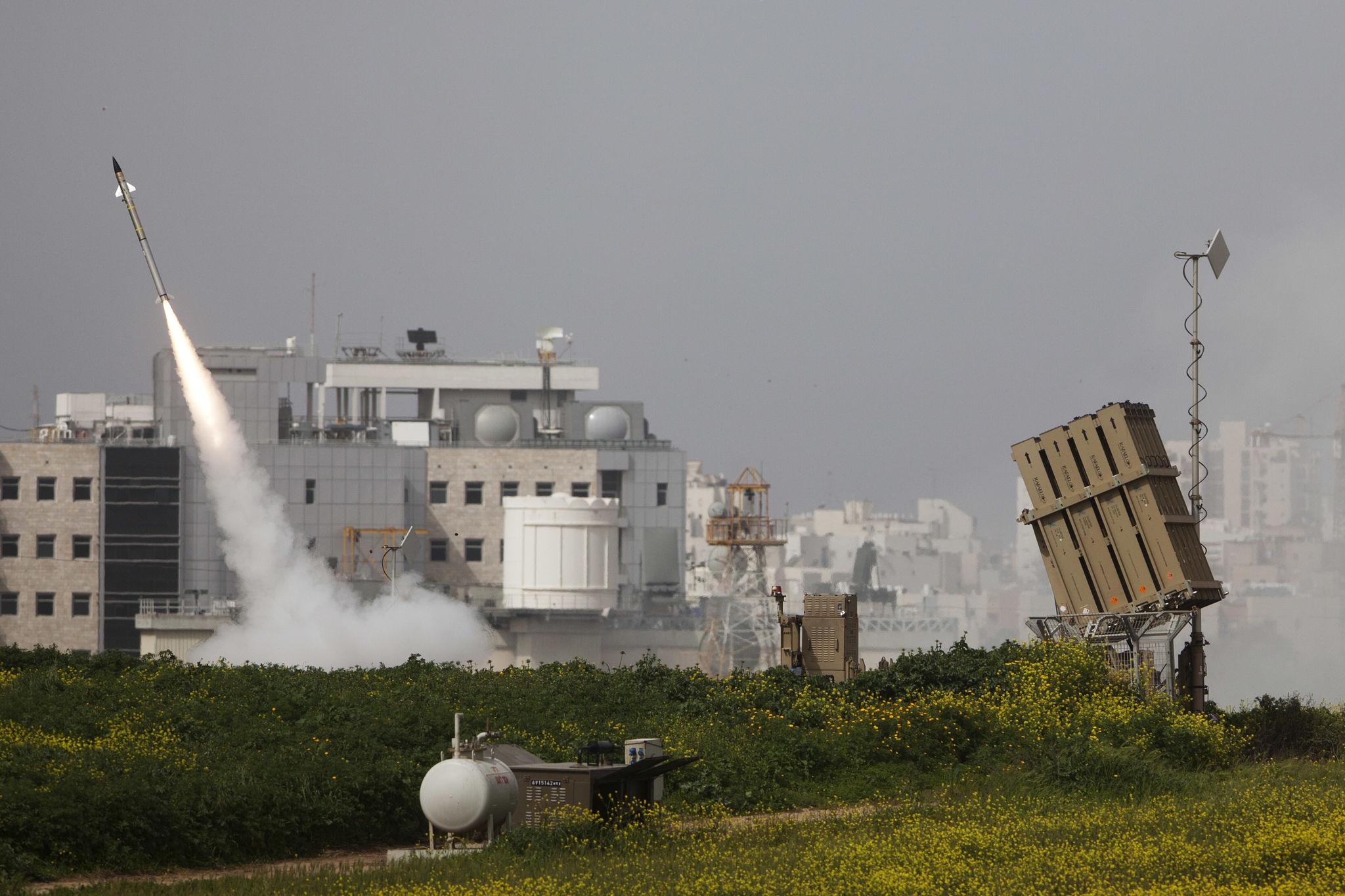
A Shield Over the Nation
For millions of Israelis, the Israeli missile interception system represents an invisible protective shield that operates continuously.
While citizens may only notice it during missile alerts, the system is active around the clock scanning the skies for potential threats.
Security experts emphasize that defensive technologies cannot eliminate geopolitical tensions, but they can significantly reduce the human cost of conflict.
As long as regional rivalries continue, missile defense systems will remain a critical part of national security strategies.
The continued development of the Israeli missile interception system reflects both the technological capabilities of modern defense engineering and the ongoing challenges facing the Middle East.