

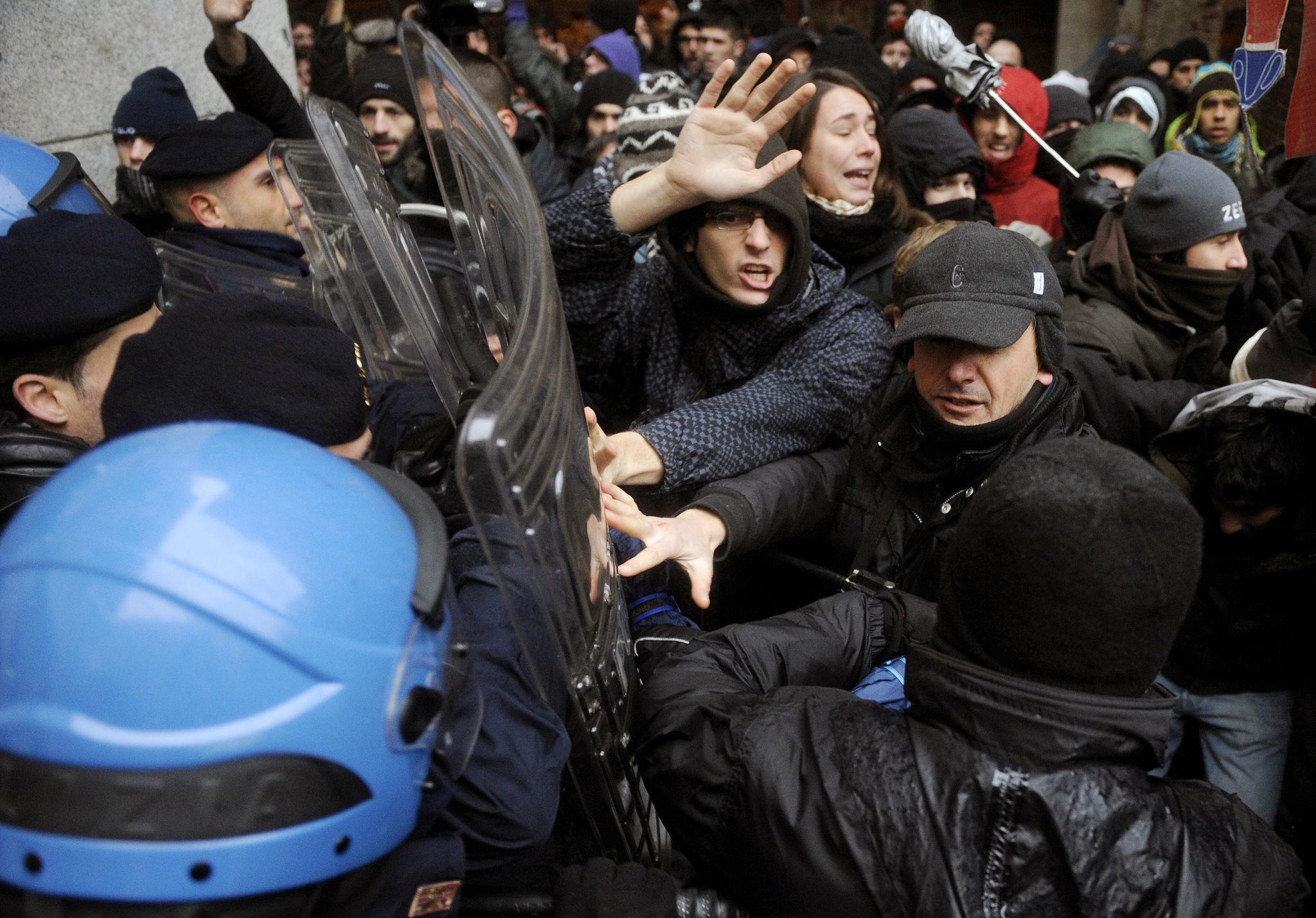
Milan, February 7, 2026 — According to Parliament News, that Public order tensions escalated sharply after Italian police clashes broke out during a large demonstration in Milan, drawing national and international attention as the city continues preparations for hosting the Winter Olympics. Authorities confirmed that the unrest followed hours of largely peaceful protest before a small group of masked individuals confronted law enforcement late in the evening.
Officials said the situation was eventually brought under control through coordinated police action aimed at preventing further escalation and protecting surrounding neighborhoods.
Background of the Milan Demonstration
The demonstration formed part of a broader wave of protests seen across Italy and other European countries, with participants gathering to express social, political, and economic grievances. Organizers had secured permits, and authorities maintained a visible but restrained presence throughout most of the event.
As night fell, crowd dynamics shifted, and tensions rose near the end of the march. It was during this phase that Italian police clashes emerged, changing the character of the demonstration and prompting immediate security responses.
Sequence of Events Leading to the Clashes
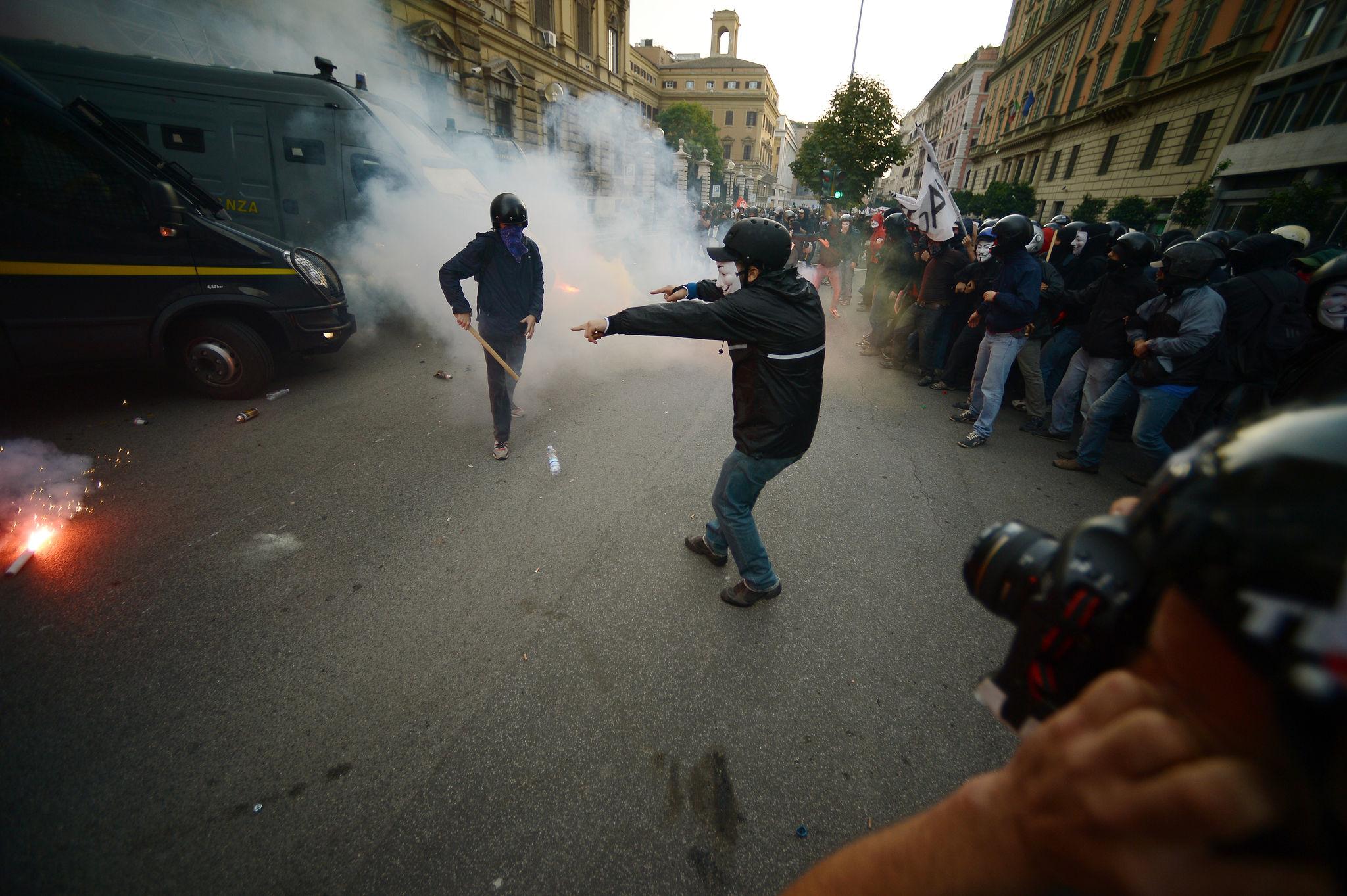
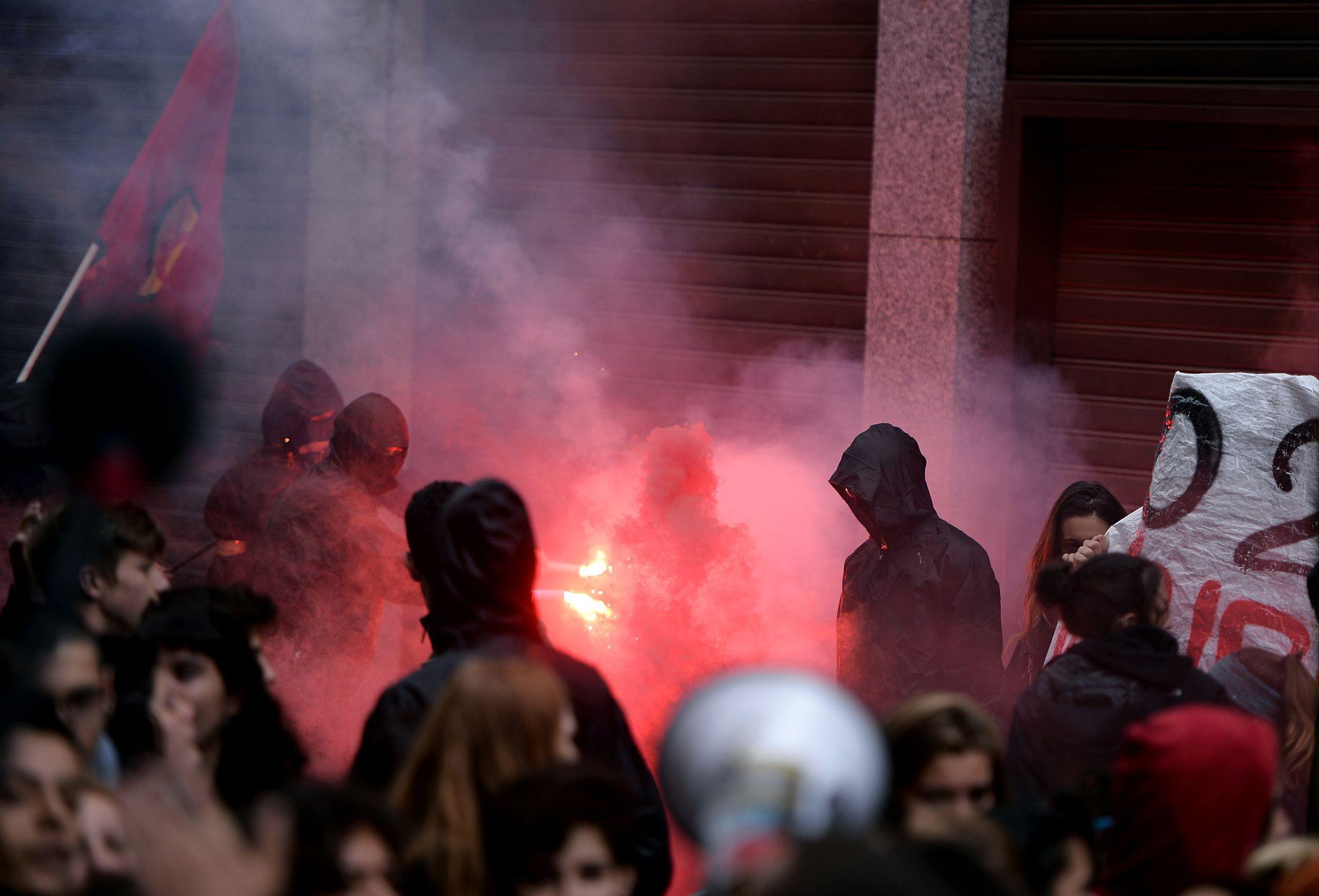
According to police timelines, the confrontation began when a group of protesters attempted to push through security barriers. Flares and objects were reportedly thrown toward officers, forcing police to adopt defensive formations.
Law enforcement sources said the Italian police clashes unfolded rapidly, requiring swift decision-making to prevent the unrest from spreading into adjacent residential and commercial areas.
Police Tactics and Crowd Control Measures
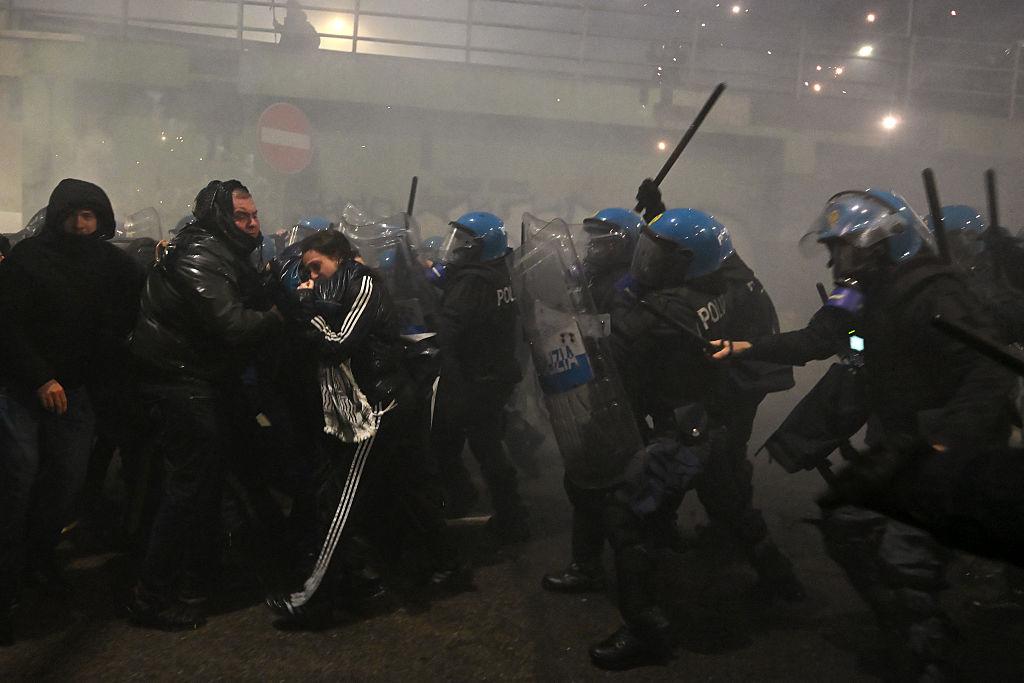
Italian riot police formed shielded lines to contain the confrontation and prevent stampedes or collateral damage. Officers relied on crowd-management training designed to de-escalate volatile situations while maintaining control.
Officials emphasized that Italian police clashes demanded proportional responses, balancing enforcement with restraint to minimize injuries and property damage.
Arrests and Injury Assessments
Authorities confirmed that several individuals were detained on suspicion of violent conduct, possession of prohibited items, and resisting law enforcement. Medical teams treated minor injuries among both protesters and police officers at the scene.
Police officials stated that the Italian police clashes resulted in no life-threatening injuries, though investigations are ongoing to identify additional suspects through video and surveillance evidence.
Milan’s Olympic Host City Status
Milan’s role as a future Olympic host has heightened sensitivity around security incidents. Large-scale international events place extraordinary demands on public order management and emergency response systems.
Security analysts noted that Italian police clashes in Olympic host cities tend to attract intensified scrutiny, as authorities must demonstrate readiness to manage crowds under global attention.
Reactions From City and National Authorities
Municipal leaders condemned the violence and reaffirmed their commitment to safeguarding peaceful assembly while enforcing the law against disorder.
A senior official said,
“Democratic protest must be protected, but violence endangers everyone and cannot be justified.”
The remarks came after confirmation of Italian police clashes, signaling unified messaging from local and national leadership.
Impact on Residents and Urban Life
Residents in central Milan reported temporary disruptions, including street closures, diverted public transport, and heavy police presence. Some businesses closed early due to safety concerns.
Community representatives warned that repeated incidents involving Italian police clashes risk undermining public confidence, particularly as Milan prepares for an influx of international visitors.
Social and Political Drivers of Unrest
Experts point to a combination of economic pressure, political polarization, and global events as factors contributing to protest activity across Europe. While most demonstrations remain peaceful, fringe groups often exploit large gatherings.
Analysts argue that Italian police clashes frequently stem from such exploitation rather than the core intentions of the majority of protesters.
Law Enforcement Strategy and Preparedness
Italian police have invested heavily in training focused on de-escalation, communication, and proportional use of force. Command structures emphasize rapid assessment and coordinated deployment.
Officials said lessons from recent Italian police clashes will be incorporated into updated operational planning for future demonstrations.
Legal Framework and Consequences
Italian law provides clear penalties for violence during public gatherings, including charges related to public disorder, assault, and use of incendiary devices.
Legal analysts explained that cases arising from Italian police clashes may lead to significant sentences, particularly if officers or civilians are injured.
Media Coverage and Public Perception
Images and videos of the unrest circulated widely on social media and international news platforms, amplifying the incident’s visibility.
Observers noted that Italian police clashes often become focal points in broader debates over policing methods, civil liberties, and protest rights.
Balancing Civil Liberties and Public Order
Civil rights organizations emphasized the importance of distinguishing between peaceful demonstrators and those engaging in violence. They cautioned against measures that could restrict lawful assembly.
They argued that addressing Italian police clashes effectively requires targeted enforcement rather than sweeping restrictions on protests.
Historic Comparison
Italy has experienced notable protest-related unrest in previous decades, particularly during periods of economic transformation and political change. Events in the late 20th century prompted reforms in crowd-control doctrine and policing accountability.
Much like those earlier episodes, the current Italian police clashes reflect the recurring challenge of managing dissent in democratic societies while preserving both order and rights.
International Perspectives on Crowd Management
Other European cities hosting major events have faced similar challenges. Comparative studies show that intelligence-led policing and early intervention reduce the likelihood of escalation.
Experts suggest that experiences with Italian police clashes may inform best practices shared across international security networks.
Security Planning Ahead of Major Events
Authorities confirmed that Milan’s security plans will undergo further review, including enhanced coordination between police, emergency services, and city officials.
Preventing future Italian police clashes will rely on early intelligence, communication with protest organizers, and rapid response capabilities.
Economic and Tourism Considerations
Tourism remains a vital component of Milan’s economy. Images of unrest can affect perceptions among potential visitors and investors.
Industry groups warned that repeated Italian police clashes could impact confidence if not managed transparently and decisively.
Technology and Surveillance in Policing
Modern policing increasingly relies on surveillance technology, including cameras, drones, and digital monitoring, to manage crowds and identify instigators.
Officials said data gathered during Italian police clashes assists investigations while raising ongoing debates about privacy and oversight.
Community Dialogue and Prevention
City leaders emphasized the importance of dialogue with civic groups, activists, and community organizations to reduce tensions.
They stressed that preventing Italian police clashes requires addressing underlying grievances as well as enforcing public order laws.
National Debate on Protest Policing
The Milan incident has reignited national discussion about protest policing standards, accountability, and transparency.
Lawmakers acknowledged that Italian police clashes serve as reminders of the delicate balance between enforcement and democratic freedom.
Lessons for Democratic Societies
Managing protest in open societies remains complex. Authorities must adapt to changing tactics, technologies, and public expectations.
Experts believe that insights gained from Italian police clashes will influence future policy and training frameworks.
A City Under the Global Spotlight
As Milan continues preparations for hosting the Olympics, its ability to manage public dissent peacefully will remain under scrutiny.
The handling of recent Italian police clashes may ultimately shape perceptions of the city’s readiness and resilience.
Beyond the Streets A Test of Governance
The incident represents more than a single night of unrest. It reflects broader questions about governance, trust, and social cohesion.
How Italy responds to the challenges highlighted by the Italian police clashes will resonate well beyond Milan in the years ahead.