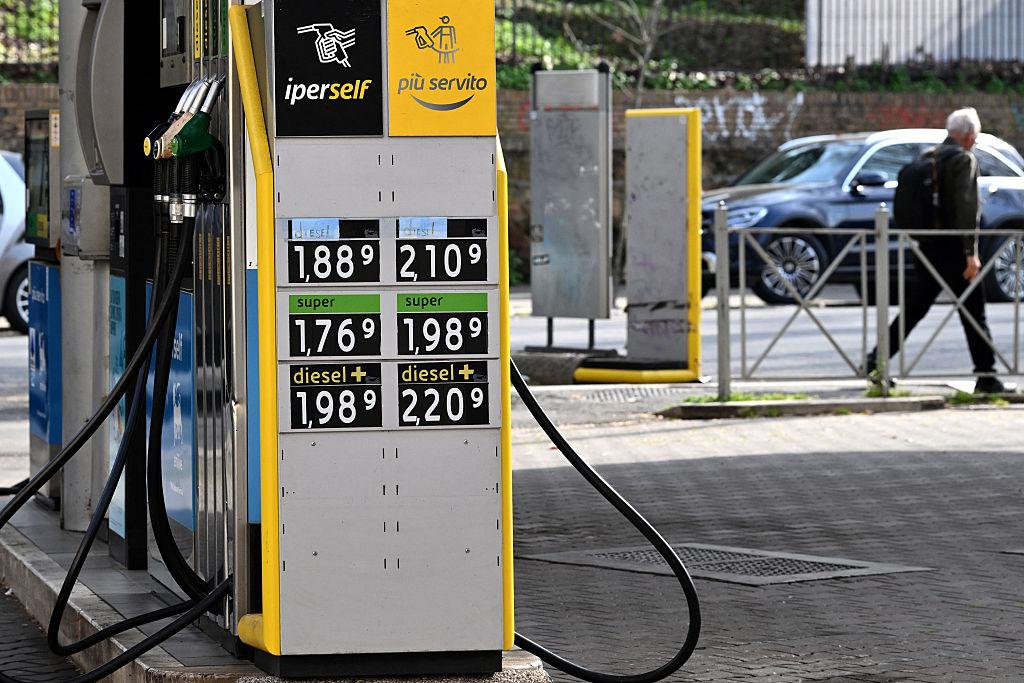
Rome — March 8, 2026 — Parliament News — Italy energy prices are becoming a major concern for policymakers and businesses as global oil markets react to rising geopolitical tensions in the Middle East. With the possibility of disruptions to energy supply routes, Italian officials are closely monitoring market volatility that could push fuel and electricity costs significantly higher.
The situation is developing quickly as global traders react to uncertainty surrounding oil exports and shipping lanes. Analysts warn that Italy energy prices could rise sharply if tensions escalate further or if energy infrastructure becomes a target of conflict.
For Italy, which relies heavily on imported energy, shifts in international oil markets can quickly translate into higher fuel costs across the country. The current surge has prompted discussions among government officials about potential measures to shield households and industries from the economic impact.
Rising Global Oil Markets Increase Pressure
International energy markets have already begun reacting to geopolitical tensions. Oil traders fear that prolonged conflict could disrupt supplies from key production regions or create instability in critical shipping routes.
Because Italy imports much of its energy, Italy energy prices tend to follow movements in global oil markets. Even small increases in crude oil prices can lead to higher gasoline and diesel costs across the country.
Energy analysts say the current situation highlights how interconnected the global energy system has become. As prices rise, transportation costs increase and industries that rely on fuel face growing financial pressure.
Manufacturers, agricultural producers, and logistics companies all depend on stable energy prices to maintain operations. When Italy energy prices rise rapidly, the impact often spreads throughout the economy.
Businesses Warn of Economic Consequences
Italian industry groups have started raising concerns about the economic risks associated with rising fuel costs. Companies warn that sustained increases in Italy energy prices could drive up production costs and reduce competitiveness.
Transportation firms are particularly exposed because diesel fuel represents a major portion of operating expenses. Higher fuel costs can quickly translate into increased shipping prices, which ultimately affect consumer goods and food prices.
Business leaders say policymakers may need to consider short term solutions if market volatility continues. Some companies are urging the government to monitor energy markets closely and prepare emergency measures if necessary.
For many businesses, stability in Italy energy prices is essential to maintaining predictable operating costs and avoiding sudden price increases for customers.
Historical Comparison With Past Energy Shocks
Energy crises have affected Europe before. One of the most notable examples occurred during the oil shocks of the 1970s, when geopolitical tensions in the Middle East led to dramatic increases in global oil prices.
During that period, many European countries experienced inflation, economic slowdowns, and supply disruptions. Governments were forced to implement emergency policies and long term energy strategies to reduce dependence on imported oil.
The current rise in Italy energy prices has prompted comparisons to those earlier crises. Although today’s energy markets are more diversified, analysts say geopolitical conflicts can still produce sudden shocks that influence global economic stability.

Expert Perspective on Market Volatility
Energy analysts emphasize that geopolitical uncertainty can rapidly influence market expectations. Investors often react quickly to the possibility of supply disruptions, which can push oil prices higher even before shortages occur.
One market expert summarized the situation clearly.
“Energy markets are extremely sensitive to geopolitical tension. Even the risk of supply disruption can trigger price increases that ripple across global economies.”
Such volatility means policymakers must carefully monitor developments that could affect Italy energy prices and broader economic conditions.
A Defining Test for Energy Resilience
The debate surrounding Italy energy prices reflects a broader challenge facing European economies. As global energy markets react to geopolitical uncertainty, governments must balance economic stability with long term energy security strategies.
For Italy, the coming months could determine how effectively the country can manage external shocks while protecting households and businesses from rising costs.
Whether markets stabilize or tensions escalate further, the trajectory of Italy energy prices will remain a crucial indicator of economic resilience and policy readiness in an increasingly uncertain global environment.