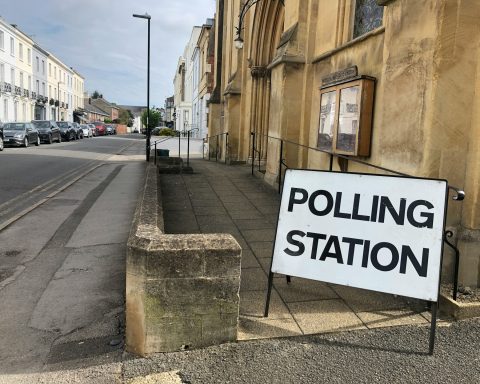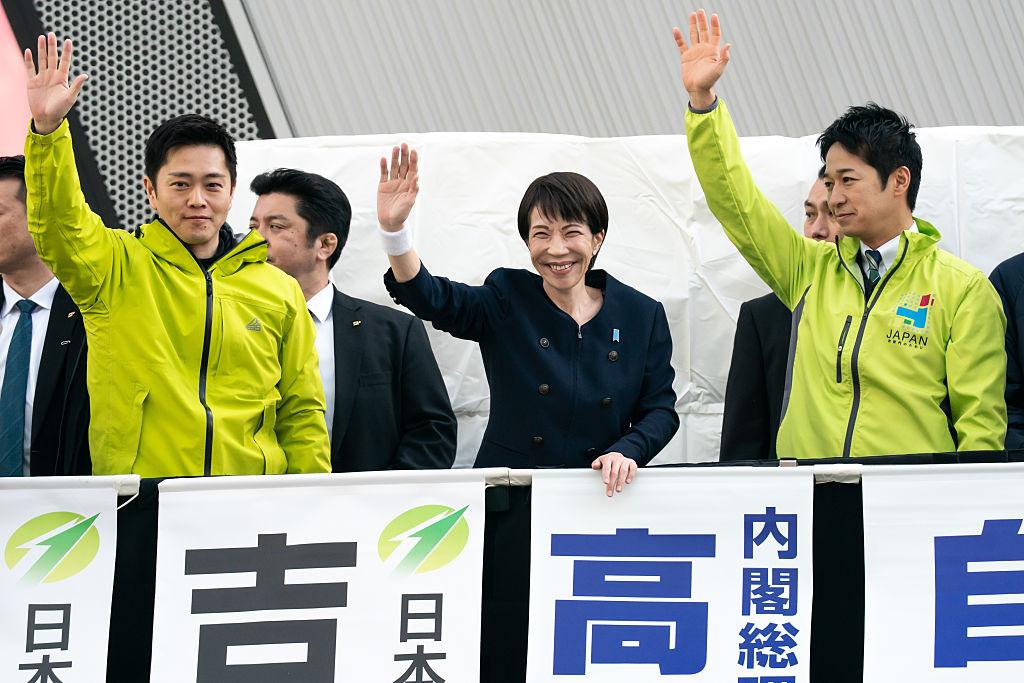
Tokyo, February 8, 2026, According to Paliament News, that in 2026 the results of Japan’s snap national election have placed Japan political stability at the center of domestic and international attention, as voters delivered a clear mandate favoring continuity over political disruption. The outcome reaffirmed confidence in existing governance structures at a time when global economic uncertainty and regional security challenges continue to shape voter priorities.
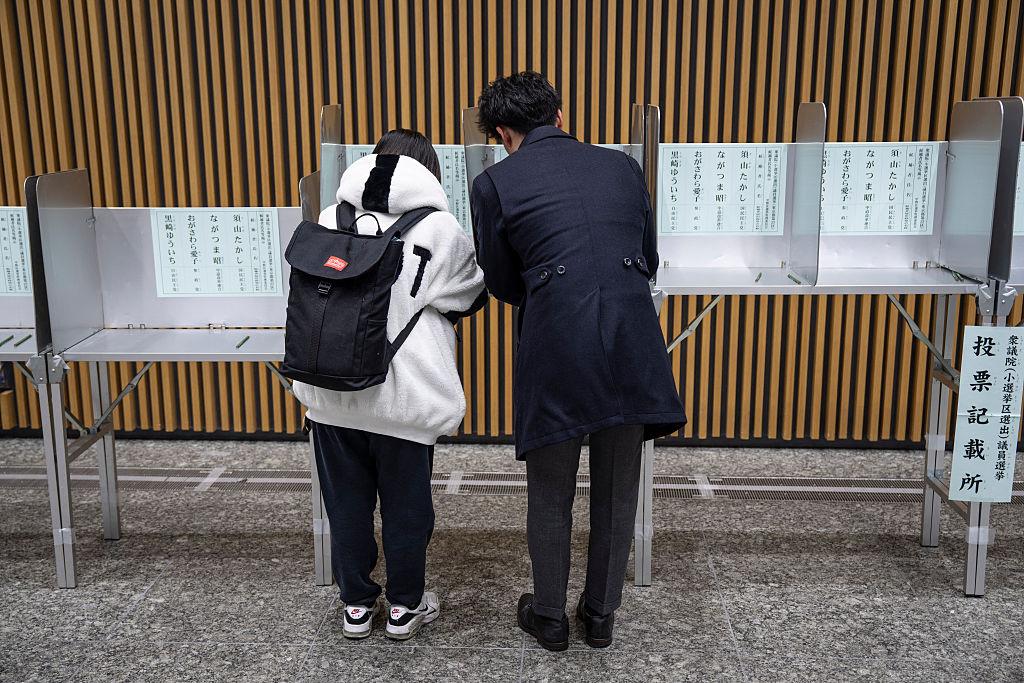
The election was held earlier than expected following parliamentary recalibration, yet the process unfolded without institutional strain. Financial markets remained calm, administrative operations proceeded smoothly, and voter participation reflected sustained engagement across age groups. Together, these factors reinforced perceptions that the country’s democratic framework remains resilient.
Election Context and Timing
The snap election was announced amid mounting external pressures, including fluctuating energy markets, currency volatility, and evolving security dynamics in the Asia-Pacific region. While snap votes can introduce uncertainty, Japan’s political system absorbed the challenge with minimal disruption, strengthening perceptions of Japan political stability in the face of unpredictable global conditions.
Government officials framed the election as a procedural necessity rather than a political gamble. Opposition parties initially viewed the early vote as an opening to reshape parliamentary balance, yet the compressed campaign period ultimately favored organizational strength and message discipline.
Voter Priorities Shape the Outcome
Polling data and post-election surveys indicate that voter behavior was guided primarily by practical considerations rather than ideological realignment. Concerns over household costs, employment security, and public safety dominated public discourse, with many voters expressing reluctance to embrace abrupt policy shifts.
This preference for continuity proved decisive, reinforcing Japan political stability as a guiding electoral principle rather than an abstract concept. Analysts noted that voters appeared to associate predictability with national resilience, particularly in comparison with political volatility elsewhere.
Leadership and Institutional Continuity
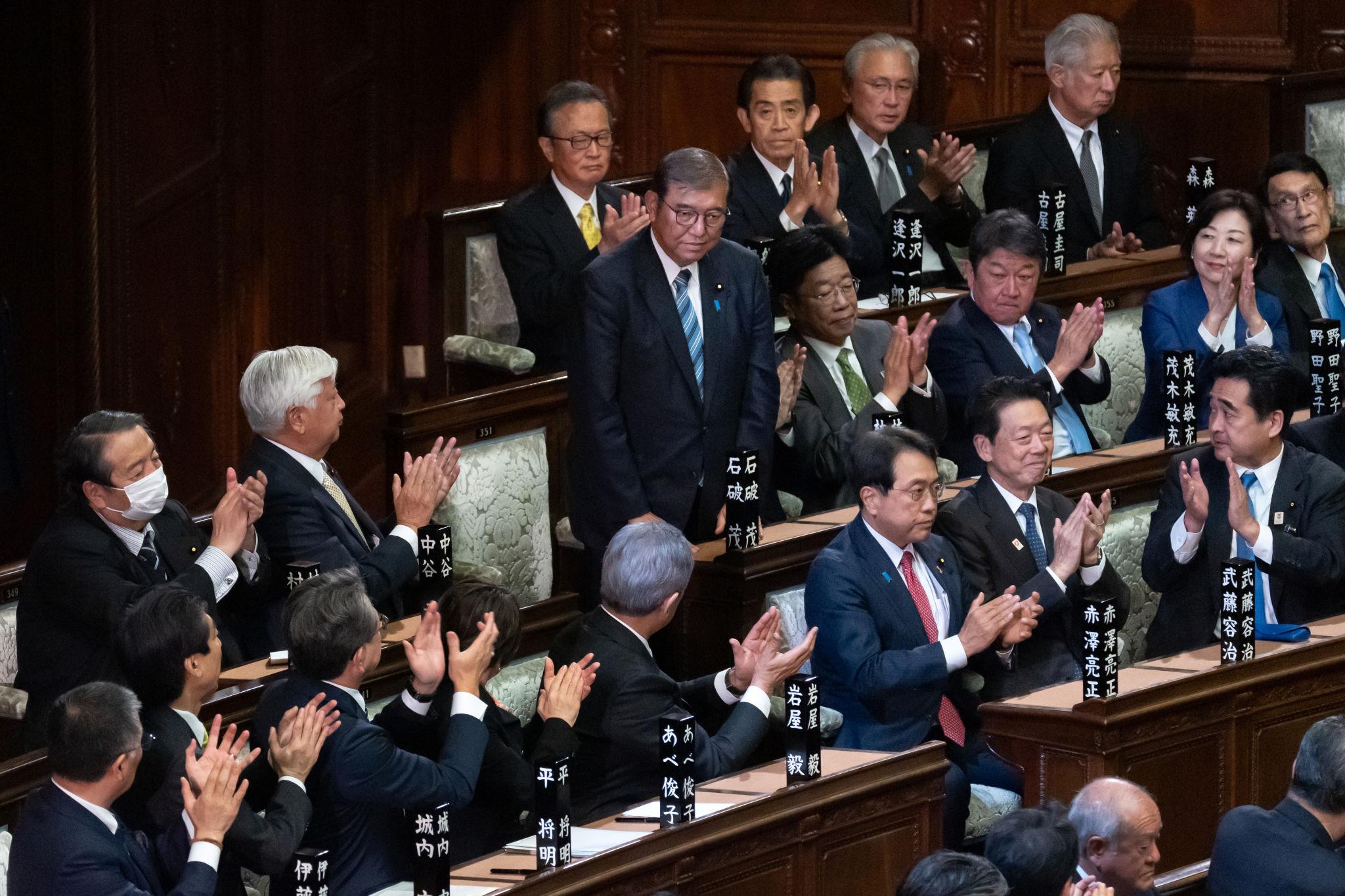
Following the vote, Sanae Takaichi consolidated authority within the ruling coalition, reducing internal friction and strengthening legislative coordination. The result allows the administration to advance policy initiatives with greater procedural certainty while maintaining coalition discipline.
In a single post-election statement delivered from Tokyo, the prime minister said,
“This result reflects the public’s desire for responsibility and steady governance in uncertain times.”
This remark stood as the sole official commentary accompanying the results and was widely interpreted as an acknowledgment of voter preference for Japan political stability rather than dramatic political change.
Economic Governance and Market Response
Economic policy emerged as a central factor during the campaign, with the government emphasizing fiscal restraint, domestic production support, and cautious coordination with monetary authorities. These measures were presented as safeguards against external shocks and were closely tied to broader narratives of Japan political stability.
Markets responded positively to the election outcome, with minimal volatility observed in equity and currency trading. Business groups cited reduced policy uncertainty as a key benefit, noting that predictable governance supports long-term investment planning and employment retention.
Opposition Performance and Strategic Limitations
Opposition parties struggled to unify around a coherent alternative agenda. While some factions advocated structural reform, others focused on social spending expansion, resulting in fragmented messaging that failed to resonate with a broad electorate.
Political observers noted that attempts to challenge Japan political stability as a campaign theme were ineffective, as voters largely viewed stability as a national asset rather than a vulnerability. The opposition’s inability to reframe the narrative limited its appeal beyond urban and younger demographics.
Administrative Process and Electoral Conduct
Election authorities reported high compliance with procedural standards, citing efficient ballot distribution, transparent vote counting, and limited logistical complications. International monitoring groups described the process as orderly and credible.
The smooth administration of the snap vote further reinforced Japan political stability, demonstrating the capacity of public institutions to manage political transitions without disruption or controversy.
Regional and Diplomatic Implications
Diplomatic responses from allied governments were measured, emphasizing continuity in bilateral engagement and regional coordination. Analysts suggested that the election outcome would support consistent diplomatic messaging and predictable defense cooperation.
From a regional perspective, Japan political stability was viewed as a stabilizing factor within the broader Asia-Pacific environment, particularly amid shifting power dynamics and security concerns.
Media Coverage and Public Interpretation
Domestic media framed the election as a confirmation of voter trust rather than an endorsement of sweeping policy change. Editorial commentary emphasized moderation, institutional confidence, and the electorate’s resistance to political experimentation.
International outlets echoed these interpretations, highlighting the role of Japan political stability in maintaining regional equilibrium during a period of global political fragmentation.
Social and Demographic Considerations
Japan’s aging population continues to influence electoral outcomes, with older voters placing high value on administrative predictability and social service continuity. Younger voters, while more diverse in political preferences, showed lower turnout levels compared to previous cycles.
Demographers note that sustaining Japan political stability amid shifting population dynamics will require careful policy calibration, particularly in labor markets and social welfare systems.
Policy Agenda Following the Vote
With electoral uncertainty resolved, attention has shifted toward legislative priorities. Key areas include economic resilience, defense readiness, digital infrastructure, and public administration reform.
Government officials have emphasized gradual implementation, signaling awareness that abrupt policy shifts could undermine Japan political stability even when supported by a parliamentary majority.
Historic Comparison
Historically, Japan has experienced periods of political fluctuation during moments of economic or regional stress. Comparisons have been drawn with elections in the late twentieth century, when leadership turnover coincided with financial turbulence and policy uncertainty.
In contrast, the 2026 snap vote reflects an evolution toward institutional maturity, with Japan political stability serving as both a voter expectation and a governance outcome. This shift underscores a broader transformation in how the electorate evaluates political performance.
Governance Challenges Ahead
Despite the strengthened mandate, structural challenges remain. These include long-term debt management, workforce contraction, and technological competition. Addressing these issues while preserving Japan political stability will test the administration’s capacity for adaptive governance.
Policy analysts caution that stability must be accompanied by responsiveness to avoid stagnation, particularly as external economic conditions evolve.
Parliamentary Dynamics and Coalition Management
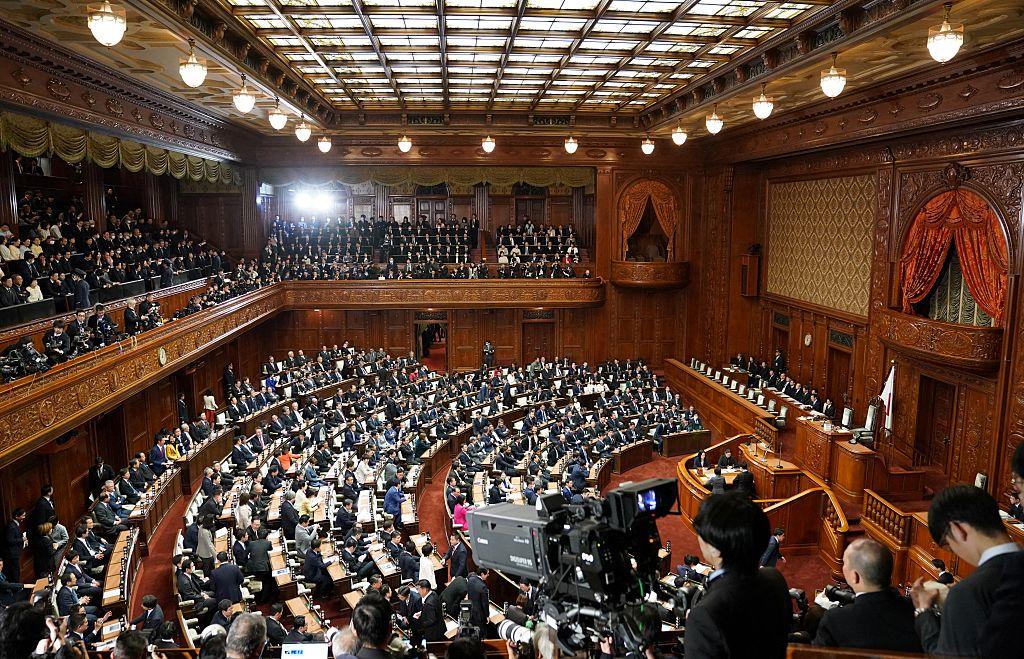
The ruling coalition’s reinforced position simplifies legislative coordination but also increases accountability. Lawmakers face heightened expectations to deliver tangible outcomes without eroding public trust.
Maintaining Japan political stability within parliament will depend on effective coalition management and transparent decision-making processes.
Public Expectations and Accountability
Post-election surveys indicate cautious optimism among the public. While voters expressed confidence in institutional continuity, they also emphasized the need for practical policy results.
This balance between expectation and restraint reflects a nuanced understanding of Japan political stability as both a safeguard and a responsibility.
International Economic Context
Global economic uncertainty continues to influence domestic policy considerations. Trade disruptions, energy market fluctuations, and currency movements remain external variables shaping national decision-making.
Within this environment, Japan political stability is increasingly viewed as a competitive advantage, supporting investor confidence and diplomatic credibility.
Stability as a Strategic Choice
The 2026 snap election outcome illustrates a deliberate voter choice favoring continuity over disruption. By reinforcing Japan political stability, the electorate has provided the government with a clear mandate to govern cautiously while addressing long-term challenges.
As Japan moves forward, the durability of this stability will depend on policy execution, institutional transparency, and the government’s ability to adapt without undermining the confidence that voters have reaffirmed at the ballot box.