

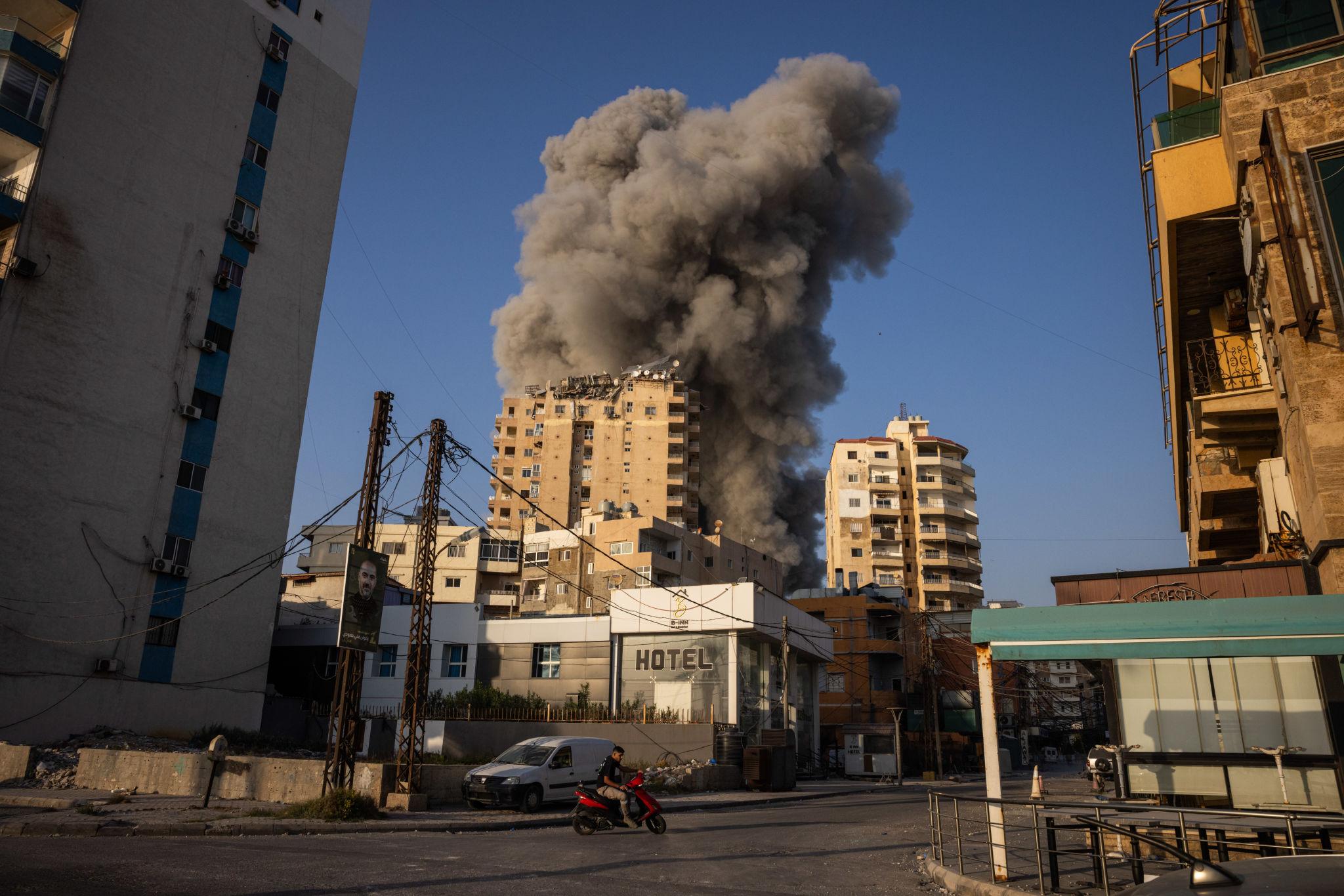
Tyre, Southern Lebanon, May 3, 2026 (Parliament Politics Magazine) Lebanon border escalation news continues to dominate international headlines after renewed cross-border strikes involving Israel and southern Lebanon’s Tyre district. The escalation has raised concerns among global leaders, humanitarian agencies, and regional observers who warn that the situation could deteriorate rapidly if tensions persist.
Early reports confirm that multiple areas in and around Tyre experienced shelling overnight, with emergency response teams deployed to assess damage and assist affected civilians. The strikes come amid an already fragile security environment along the Israel-Lebanon border, where sporadic incidents have increased in frequency in recent months.
A regional analyst stated,
“This moment reflects a dangerous turning point, where isolated incidents are becoming part of a broader and more volatile pattern.”
Timeline of the Latest Border Escalation
The current wave of escalation began in the early hours, with witnesses describing loud explosions and visible plumes of smoke rising from several locations. Power outages were reported across parts of the Tyre district, while emergency sirens prompted residents to seek shelter.
Local authorities indicated that the strikes occurred in phases, suggesting a coordinated sequence of military actions. Roads in affected areas were partially damaged, complicating emergency access and slowing response times.
Hospitals across southern Lebanon were placed on high alert, preparing for casualties and ensuring medical teams were ready to respond to potential injuries.
Strategic Importance of Southern Lebanon’s Tyre District
Tyre is not only a historic coastal city but also a strategically important location due to its proximity to the Israel-Lebanon border. Its infrastructure, population density, and coastal access make it a focal point during periods of military tension.
Military observers note that control and stability in this region are critical for maintaining broader security dynamics. Any disruption in Tyre can have ripple effects across southern Lebanon and beyond.
The current Lebanon border escalation news highlights how quickly tensions in this region can escalate into broader geopolitical concerns.
Regional and Global Diplomatic Reactions
The international community has responded swiftly to the escalation. Governments and global organizations have issued statements urging restraint and calling for immediate de-escalation.
Diplomatic efforts are underway to prevent further deterioration of the situation. Several countries have emphasized the importance of dialogue and conflict resolution mechanisms to avoid a wider crisis.
A senior diplomat commented,
“Escalation in this region carries risks that extend far beyond national borders. Stability must be restored through dialogue, not force.”
Civilian Impact and Humanitarian Response
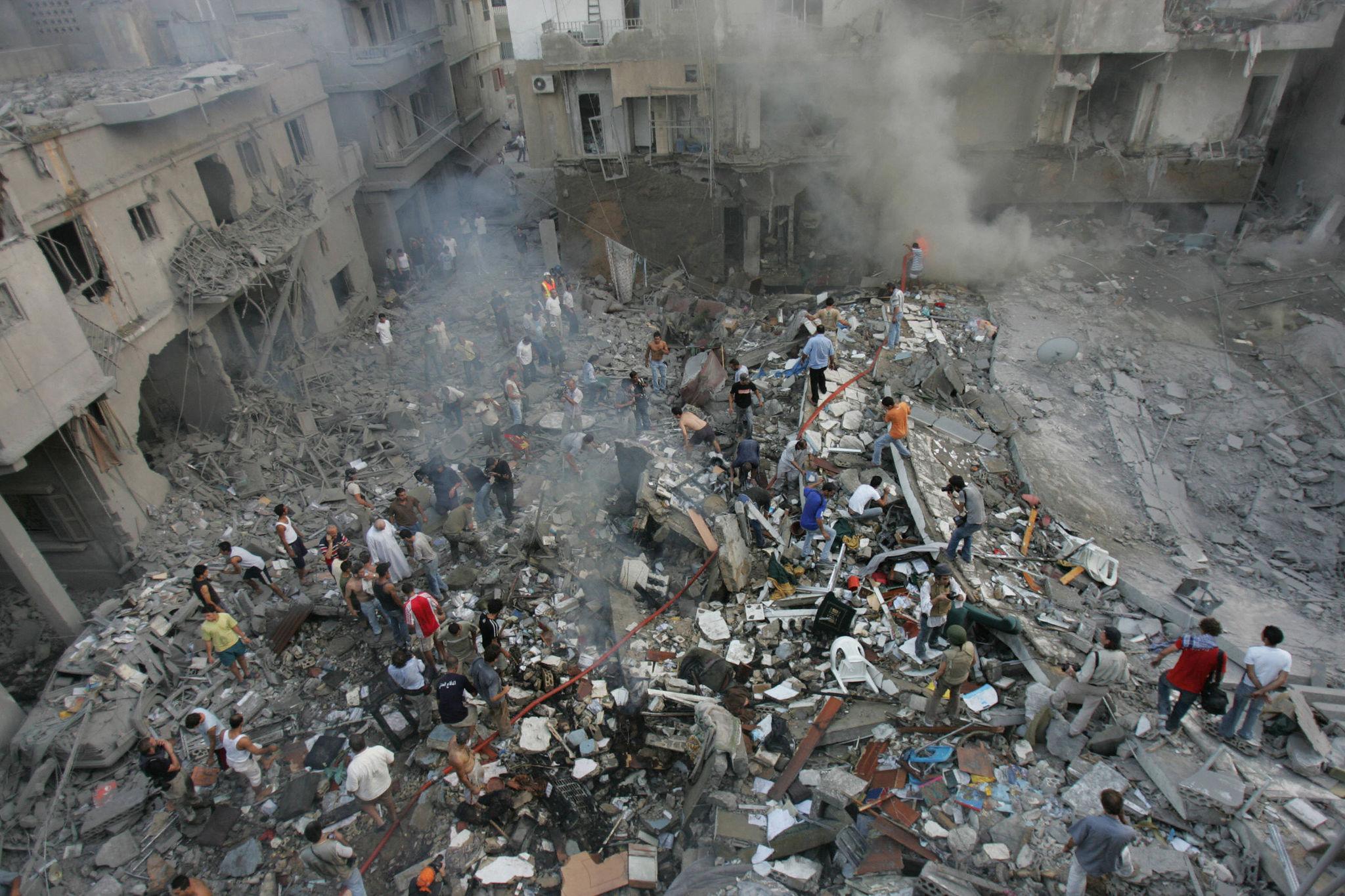
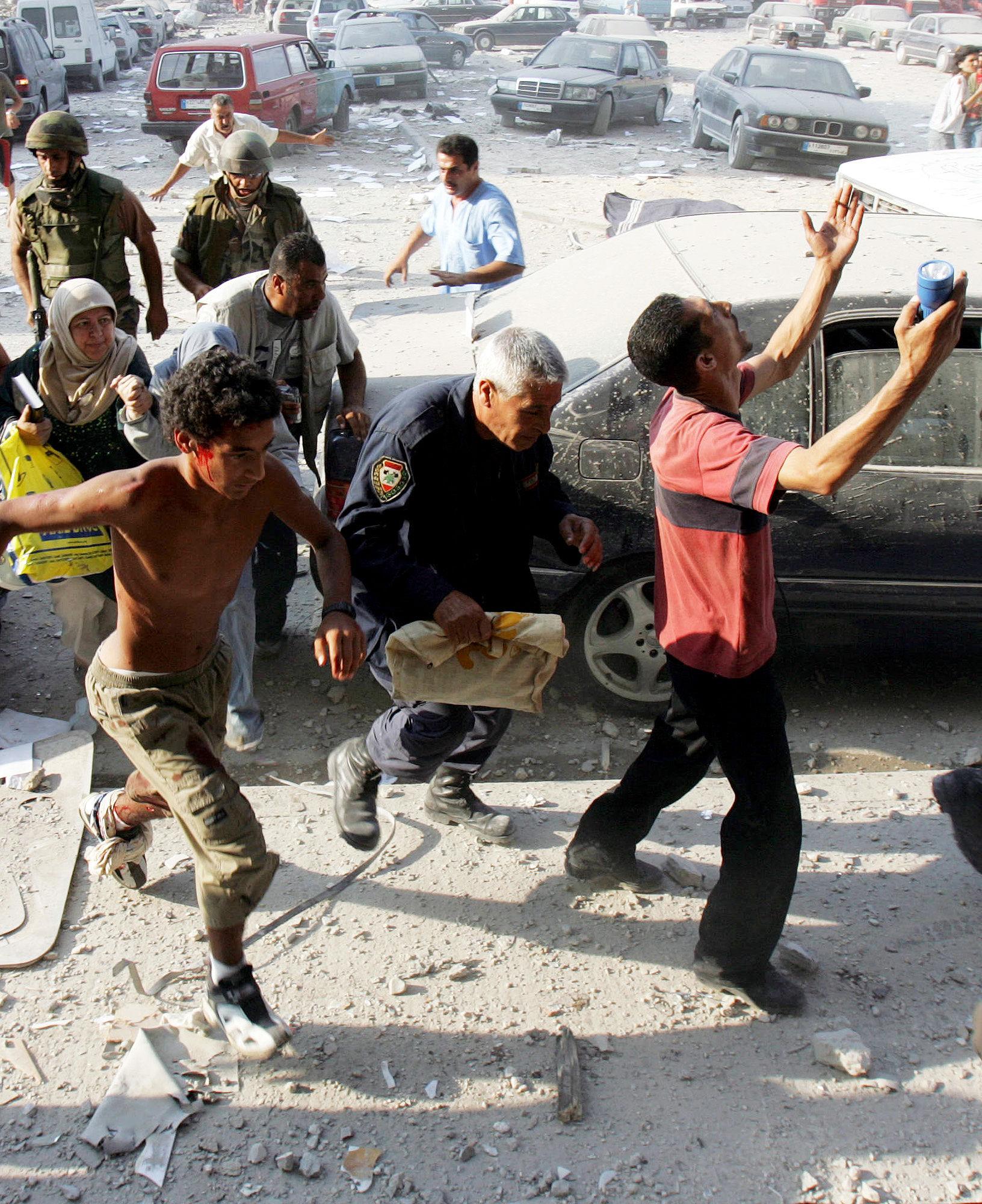
The humanitarian impact is becoming increasingly visible as residents begin to leave affected areas. Families are seeking safer locations, while local organizations mobilize resources to support displaced individuals.
Relief efforts include providing temporary shelter, food supplies, and medical assistance. However, damaged infrastructure has made it challenging to deliver aid efficiently.
Children, elderly individuals, and vulnerable populations are among those most affected, raising concerns about long-term displacement and access to essential services.
Military Context Behind the Escalation
Analysts suggest that the escalation may be linked to ongoing tensions and security concerns along the border. These tensions often involve a complex interplay of regional dynamics, strategic interests, and historical grievances.
The latest developments reflect a pattern of escalation that has been observed in previous incidents, where localized actions lead to broader confrontations.
The Lebanon border escalation news underscores the fragile nature of the current security environment and the potential for further instability.
History of Conflict in Southern Lebanon
Southern Lebanon has long been a focal point of regional conflict, with decades of tension shaping the current landscape. Within the broader Lebanon border escalation news, this region continues to reflect the legacy of repeated confrontations, ceasefires, and fragile periods of stability. Previous conflicts have left lasting impacts on infrastructure, communities, and political dynamics, many of which are still visible today.
Tyre, in particular, has experienced the effects of past hostilities, making it a symbol of both resilience and vulnerability. As highlighted in ongoing Lebanon border escalation news, the city’s strategic coastal position and proximity to the border have made it a recurring hotspot during times of military tension. Understanding this historical context is essential to interpreting the current situation and anticipating future developments.
Risk of Wider Regional Escalation
Experts warn that continued escalation could lead to a broader conflict involving multiple actors, a concern repeatedly emphasized in Lebanon border escalation news coverage. The situation remains highly fluid, with potential scenarios ranging from diplomatic de-escalation to sustained military confrontation.
The current wave of Lebanon border escalation news suggests that even localized incidents carry the risk of triggering wider instability, particularly given the complex alliances and geopolitical sensitivities in the region.
Key risks include:
- Expansion of hostilities beyond southern Lebanon
- Increased civilian displacement and humanitarian challenges
- Disruption of regional stability and economic activity
As reflected in ongoing Lebanon border escalation news, the global community is closely monitoring developments to assess potential outcomes and prevent further deterioration of the situation.
Quotes Driving Global Attention
“This escalation is a reminder of how quickly tensions can spiral out of control,”
said a regional security expert.
“The priority must be to prevent further harm to civilians.”
Another observer noted, “What we are witnessing is not just a local issue but a development with global implications.”
Key Facts
- Location: Tyre District, Southern Lebanon
- Date: May 2026
- Incident: Cross-border shelling
- Focus: Lebanon border escalation news
- Impact: Infrastructure damage, displacement
- Response: International calls for restraint
What Happens Next?
The coming days will be critical in determining the trajectory of the situation. Diplomatic efforts may help de-escalate tensions, but the risk of further conflict remains.
Observers are watching closely for any signs of additional military activity or breakthroughs in negotiations.
The Lebanon border escalation news will likely continue to evolve as new developments emerge.
Lebanon Border Escalation News Summary: Key Facts from Tyre Strikes in 2026
Lebanon border escalation news highlights a critical moment in southern Lebanon as strikes in Tyre district intensify regional tensions. The incident has caused infrastructure damage, civilian displacement, and growing international concern. With global leaders urging restraint, the situation remains volatile, and the risk of further escalation continues to shape developments across the region.