

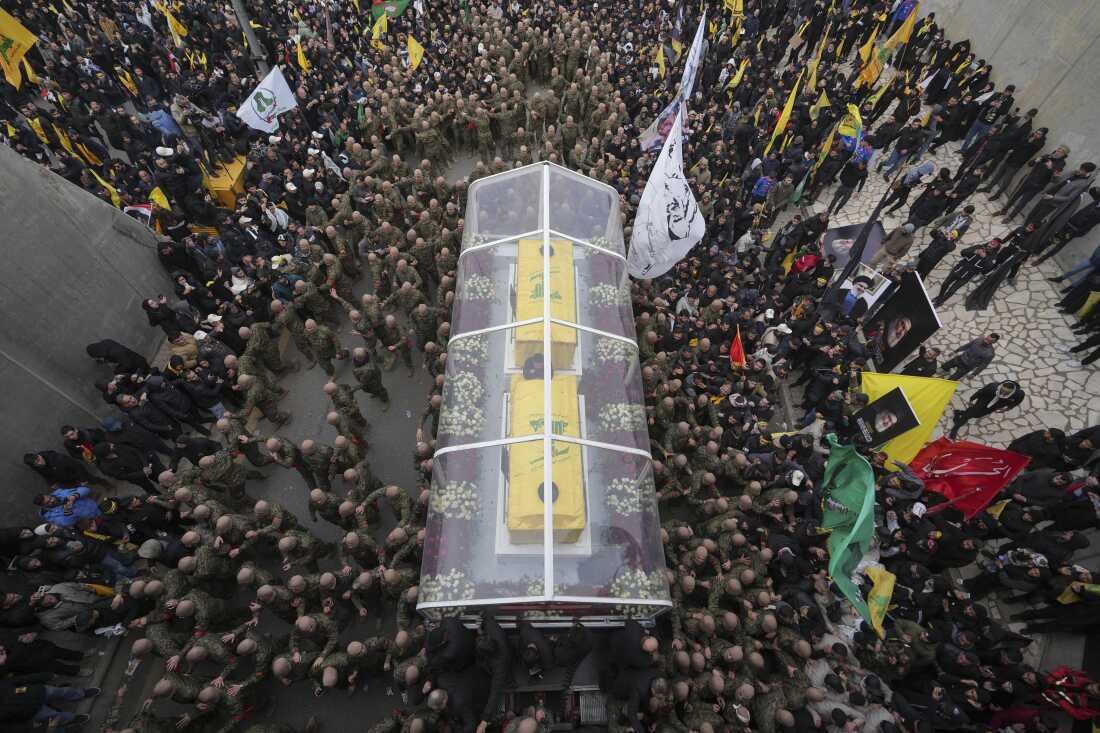
Beirut, Lebanon, March 29, 2026 (Parliament Politics Magazine) Lebanon journalist funeral news dominated international headlines as thousands gathered in Beirut to mourn journalists killed in a recent Israeli strike. The large-scale funeral procession highlighted growing concerns over press safety and intensified global calls for accountability in conflict zones.
Crowds filled the streets carrying portraits of the deceased, while colleagues and families demanded justice. The ceremony not only honored the victims but also amplified international scrutiny over the treatment of journalists in active war zones.
Emotional Farewell Highlights Press Freedom Concerns
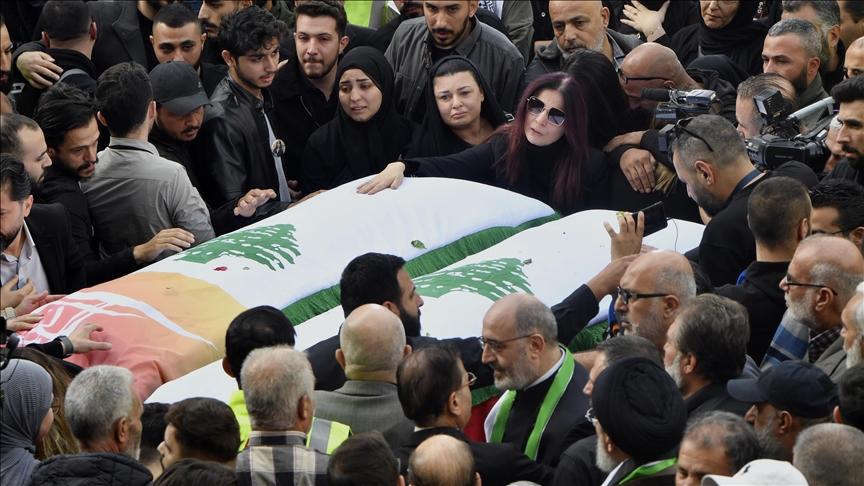
The Lebanon journalist funeral news captured a deeply emotional farewell as mourners paid tribute to journalists who lost their lives while reporting from the frontlines. Coffins wrapped in national flags were carried through the capital, accompanied by chants calling for justice.
A fellow journalist attending the funeral stated:
“They risked everything to tell the truth. The world must not look away from what happened here.”
Family members described the victims as dedicated professionals who believed in the power of truth, even in the face of danger. The emotional tone of the funeral underscored the high cost of journalism in conflict zones.
Questions Emerge Over Safety of Media Personnel
The Lebanon journalist funeral news has raised urgent questions about the protection of journalists under international humanitarian law. Advocacy groups have called for transparency and a full investigation into the circumstances surrounding the strike.
While officials have acknowledged the incident, detailed explanations remain limited. This has fueled concern among global media organizations and human rights advocates, who are demanding clarity and accountability.
The funeral has become a central moment in ongoing debates about whether journalists are adequately protected in modern warfare environments.
Global Reaction Intensifies Following Funeral
International response to the Lebanon journalist funeral news has been swift and widespread. Governments, media groups, and human rights organizations have issued statements expressing concern and calling for independent investigations.
Diplomatic discussions are reportedly underway as pressure mounts for transparency. Analysts warn that failure to address the incident could have long-term consequences for press freedom globally.
One international observer noted:
“When journalists are killed, it is not just individuals who are lost—it is access to truth itself.”
Rising Risks for Journalists in Conflict Zones
The Lebanon journalist funeral news highlights a broader trend of increasing risks faced by journalists covering conflicts. Experts point to a rise in incidents involving harm to media personnel, raising alarms within the international community.
Journalists often operate in unpredictable and high-risk environments, where distinguishing between civilian and military targets can be challenging. This has made reporting more dangerous than ever.
Media organizations continue to emphasize the importance of protecting journalists to ensure the free flow of information.
Public Response Across Lebanon
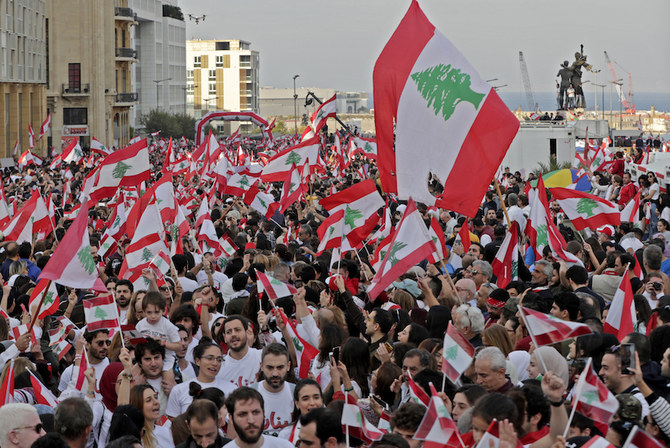
Public reaction to the Lebanon journalist funeral news has been significant, with protests, vigils, and demonstrations taking place across Lebanon. Citizens have expressed solidarity with the victims and demanded justice.
The funeral has become a symbol of national grief and resilience, with many calling for stronger protections for journalists. Social media platforms have further amplified the event, spreading awareness globally.
The widespread public response reflects the deep impact of the incident on Lebanese society.
Media Organizations Demand Accountability
Major media organizations have used the Lebanon journalist funeral news as a platform to call for stronger protections and accountability measures. Statements released emphasize the need for clear guidelines to safeguard journalists in conflict zones.
Some organizations have proposed international monitoring mechanisms to oversee incidents involving journalists, aiming to prevent future tragedies.
The funeral has reinforced the urgency of addressing gaps in journalist protection.
Legal and Ethical Implications
The Lebanon journalist funeral news has also brought attention to complex legal and ethical issues. International humanitarian law is designed to protect civilians, including journalists, but enforcement remains a challenge.
Legal experts stress that determining responsibility requires thorough and impartial investigations. The outcome could influence future standards for accountability in conflict situations.
The incident highlights the importance of maintaining clear distinctions between civilians and combatants.
Impact on Future Conflict Reporting
The loss of journalists may have lasting effects on how conflicts are covered. The Lebanon journalist funeral news underscores concerns that safety risks could limit reporting from critical areas.
Media organizations may reassess risk protocols, potentially leading to reduced on-the-ground coverage. This could impact global understanding of conflicts and reduce transparency.
Journalists play a crucial role in documenting events, and their safety remains essential for informed reporting.
Historical Context of Journalist Casualties
Historically, journalists have faced significant risks in conflict zones, but recent trends suggest increasing danger. The Lebanon journalist funeral news adds to a growing list of incidents that have shaped global discussions on press safety.
Advancements in technology have enabled faster reporting but have also exposed journalists to greater risks. The current situation reflects ongoing challenges in protecting media personnel.
What Comes Next?
As investigations continue, the Lebanon journalist funeral news remains a focal point for international attention. Governments and organizations are expected to monitor developments closely.
Efforts to strengthen protections for journalists may gain momentum, with increased awareness of the risks they face. The outcome of this incident could influence future policies and practices.
Key Developments from the Funeral
The Lebanon journalist funeral news has become a defining moment in discussions about press safety and accountability.
- Thousands attended the funeral in Beirut
- Global calls for independent investigation increased
- Media organizations demanded stronger protections
- Legal and ethical concerns were highlighted
- Public and international pressure continues to grow
“Their voices may be gone, but their message will continue to echo,” said one mourner, capturing the sentiment of the day.
