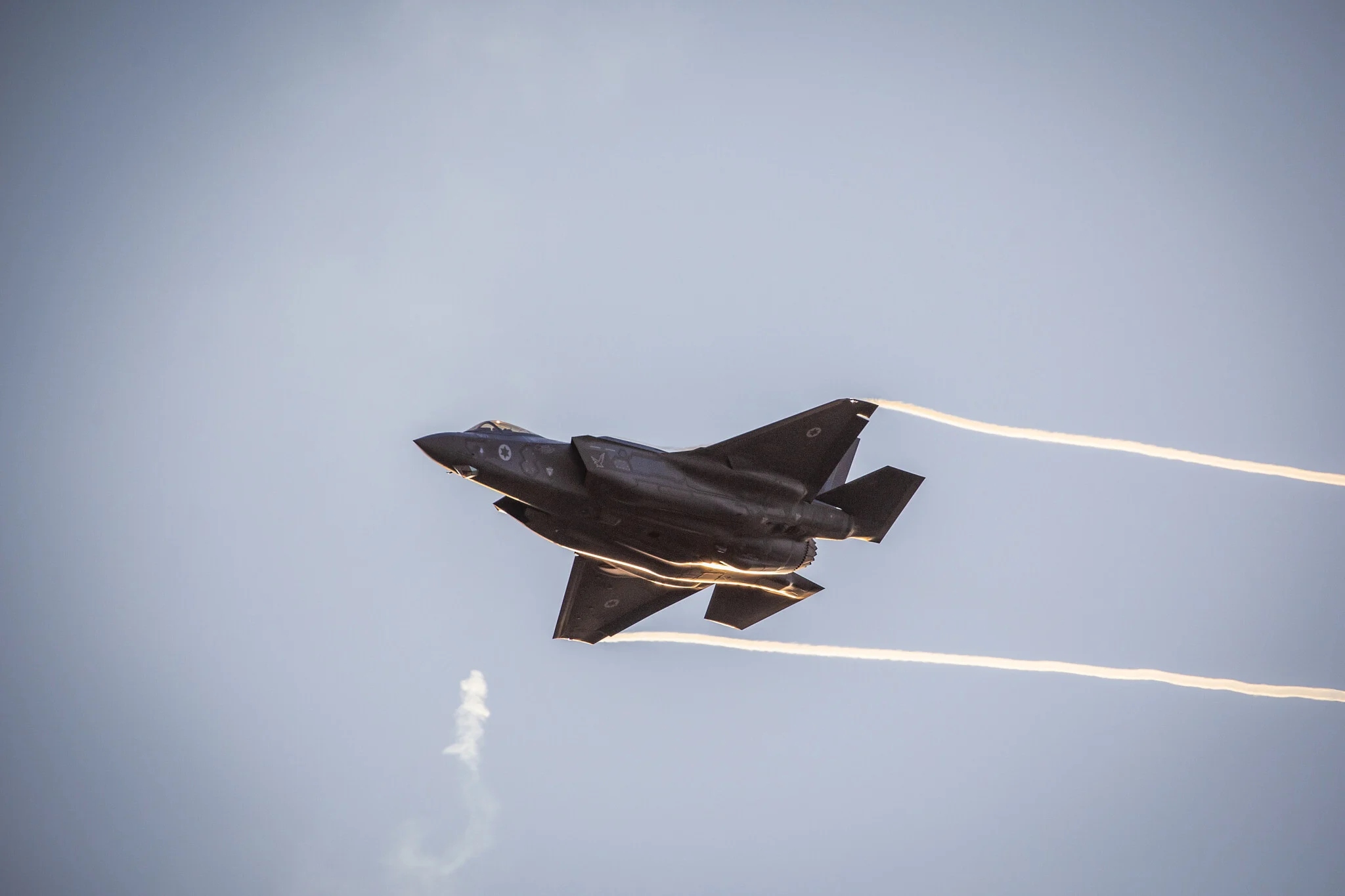
Beirut, Lebanon, March 28, 2026 (Parliament Politics Magazine) Middle East airspace conflict escalation is accelerating after Hezbollah reportedly fired a surface-to-air missile at an Israeli warplane over Beirut, marking a significant shift in regional dynamics. The incident has heightened concerns about expanding military engagement in civilian airspace and increased risks tied to the ongoing US war against Iran.
Initial reports indicate the missile was launched during heightened aerial activity, with no confirmed damage to the aircraft. However, analysts emphasize that the action itself signals a major escalation.
“This is a critical moment in the Middle East airspace conflict escalation, as it expands confrontation into urban skies,”
a regional security expert said.
Beirut Airspace Becomes a Flashpoint
The Middle East airspace conflict escalation has turned Beirut into a focal point of concern. Traditionally viewed as a civilian hub, the Lebanese capital is now increasingly exposed to military activity.
The targeting of an aircraft over Beirut suggests a new level of operational reach and intent. Military observers note that such actions risk drawing urban populations into direct proximity with conflict.
This shift highlights growing instability in airspace that was once considered relatively controlled.
Link to Wider Regional Tensions
The Middle East airspace conflict escalation is closely tied to broader geopolitical developments, particularly the US war against Iran. The region has seen a rise in proxy engagements, with multiple actors involved in overlapping conflicts.
The recent resignation of a top counterterrorism official in protest of US policy adds another layer of uncertainty. Analysts say internal disagreements could impact decision-making at a critical time.
“We are entering a phase where isolated incidents can quickly trigger wider escalation,”
an international affairs analyst warned.
Hezbollah’s Expanding Capabilities
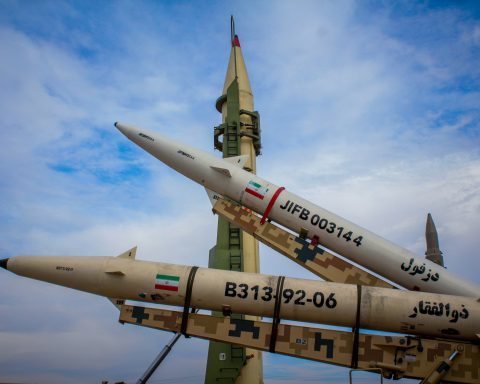
The Middle East airspace conflict escalation reflects Hezbollah’s evolving military capabilities. The use of a surface-to-air missile indicates a shift beyond traditional tactics, suggesting increased sophistication.
Key developments include:
- Improved targeting systems
- Access to advanced missile technology
- Greater operational coordination
Security experts believe these advancements could challenge existing air dominance in the region.
Israeli Response and Security Concerns
Israeli defense officials are closely monitoring the Middle East airspace conflict escalation following the Beirut incident. While official statements remain limited, the situation is expected to influence future operational strategies.
Potential responses may involve:
- Enhanced aerial surveillance
- Increased defensive measures
- Strategic recalibration of air missions
The risk of retaliation remains a key concern, particularly if similar incidents occur.
The Middle East airspace conflict escalation poses significant risks to civilians, especially in densely populated cities like Beirut. Even targeted military actions can have unintended consequences in urban environments.
Residents reported loud explosions and heightened anxiety following the incident. The presence of military activity over civilian areas increases the potential for collateral damage.
Humanitarian groups warn that continued escalation could worsen already challenging conditions in Lebanon.
International Calls for Restraint
Global leaders have urged restraint as the Middle East airspace conflict escalation continues. Diplomatic efforts are underway to prevent further incidents and stabilize the situation.
However, the complexity of the conflict—combined with multiple actors—makes resolution difficult. Miscommunication or miscalculation could lead to rapid escalation.
Strategic Implications for the Region
The Middle East airspace conflict escalation underscores the fragile balance of power in the region. The expansion of conflict into airspace introduces new risks and challenges.
Key implications include:
- Increased militarization of urban airspace
- Greater potential for accidental escalation
- Expansion of regional conflict zones
- Heightened global security concerns
Experts stress the importance of coordinated international efforts to manage the situation.
Escalation Signals Growing Regional Risk
The Middle East airspace conflict escalation following the missile incident over Beirut represents a significant development in the ongoing crisis. The targeting of an Israeli warplane highlights shifting tactics and increasing tensions.
Key Takeaways:
- Missile fired at Israeli warplane over Beirut
- Middle East airspace conflict escalation intensifies
- Linked to broader tensions involving the US and Iran
- Increased risks for civilians and infrastructure
- Global calls for restraint and diplomatic solutions
As the situation evolves, the potential for broader conflict remains a critical concern for the region and the world.