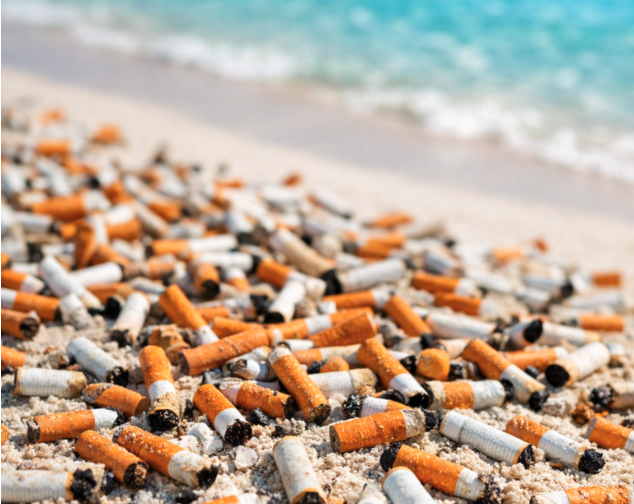
Today, members of the House of Lords have a straightforward choice: support Amendment 17A★ to the Tobacco and Vapes Bill and tackle one of the world’s most pervasive environmental problems, or let another opportunity slip through their fingers.
Baroness Grey-Thompson’s amendment seeks to ban plastic cigarette filters: those tiny, seemingly innocuous butts that pile up on pavements, beaches, and parks across the country. The scale of the problem is staggering: an estimated 4.5 trillion cigarette butts are littered globally every year, making them the single most common item of plastic pollution on the planet.
The Public Has Spoken
This isn’t some niche environmental campaign with limited appeal. A remarkable 86 per cent of the British public backs this measure. When did we last see that level of consensus on anything? In an era of deep political division, this amendment represents rare common ground.
The public understands what many smokers already know: discarded cigarette butts are everywhere. They clog drains, wash into rivers and oceans, and take years to decompose. They’re unsightly, toxic, and completely unnecessary in a modern society that’s supposedly committed to reducing plastic waste.
A Problem Hiding in Plain Sight
Walk down any high street in Britain and you’ll see them: hundreds, sometimes thousands, of cigarette butts littering the pavement. They’ve become so ubiquitous that we’ve almost stopped noticing them. But that familiarity doesn’t make them any less harmful.
Each cigarette filter is made of cellulose acetate, a type of plastic that can take a decade or more to break down. Wildlife mistake them for food. The environmental damage is ongoing and substantial.
According to research highlighted in environmental campaigns, cigarette filters account for around one-third of all littered items in England. That’s an extraordinary statistic. We’ve spent years debating plastic straws, plastic bags and coffee cups, yet we’ve somehow allowed the most littered plastic item to escape serious regulatory attention.
The Case for Action Today
Lords voting today should consider several compelling reasons to support Amendment 17A★ and push for the strongest possible measures on cigarette filters:
*Public mandate: With 86 per cent support, this isn’t a controversial policy. It’s what people want.
*Environmental necessity: Cigarette butts are the world’s most common plastic litter. We can’t claim to care about plastic pollution while ignoring this massive contributor.
*Global leadership: The UK has an opportunity to lead the world on this issue. That’s increasingly rare in environmental policy.
*Existing momentum: The Government has at every turn resisted this change, even whipping its MPs to vote against it, but the change was supported by a broad range of MPs, when debated in the Commons.
Addressing Concerns
Some might worry about unintended consequences or the impact on smokers. But the evidence suggests these concerns are misplaced. Replacing filters doesn’t make cigarettes more: they’re already dangerous; and the safest thing is not smoke at all, but amemdment 17A* would remove a significant source of environmental pollution that costs millions to clean up.
Others might argue for a gradual approach or further consultation. But we’ve had decades to study this issue. The evidence is clear. The public support is overwhelming. Further delay serves no one except those who profit from maintaining the status quo.