

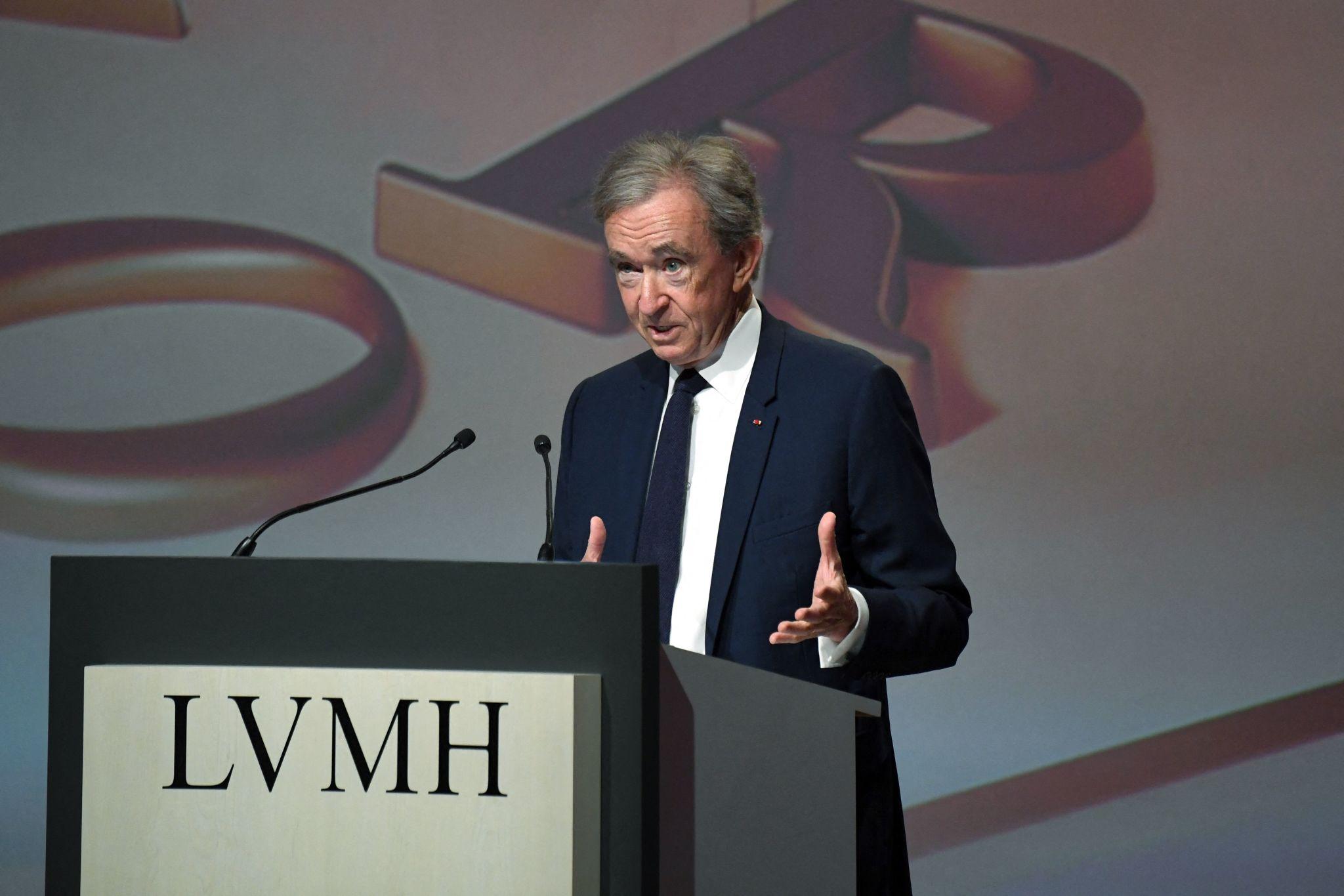
MILAN, Italy (Parliament Politics Magazine) confirms luxury fashion merger discussions are drawing international attention after reports indicated that Giorgio Armani may consider dividing a 15% ownership stake among major luxury corporations including L’Oréal, LVMH, and EssilorLuxottica.
The possible ownership arrangement has intensified speculation regarding succession planning, luxury industry consolidation, and future strategic partnerships involving one of fashion’s most influential global brands.
Financial analysts noted that even limited ownership restructuring involving Armani would likely affect broader luxury market competition due to the company’s worldwide influence across fashion, cosmetics, fragrance, and premium lifestyle sectors.
One European luxury market strategist stated,
“The Armani brand carries extraordinary symbolic value because it represents one of the few globally dominant luxury houses still strongly associated with its founder.”
The developing luxury fashion merger discussions have already triggered strong reactions across international financial and retail markets.
Global Luxury Companies Linked to Armani Stake Discussions
The reported negotiations involving L’Oréal, LVMH, and EssilorLuxottica quickly became one of the most closely watched business developments of 2026.
Each company already controls significant portions of the global luxury industry through fashion, cosmetics, eyewear, and premium retail operations.
Analysts believe the reported luxury fashion merger structure could allow strategic cooperation between multiple companies without transferring complete operational control over Armani.
The arrangement may also help preserve Armani’s long-standing reputation for independence while strengthening long-term financial stability and global expansion opportunities.
One Milan-based retail analyst explained,
“Luxury brands increasingly prefer partnership structures that maintain heritage identity while expanding international market influence.”
Armani’s Independent Legacy Shapes Negotiations
Much of the public interest surrounding the reported luxury fashion merger discussions centers on the future of Giorgio Armani’s independent business strategy.
For decades, Armani resisted full acquisition by larger luxury conglomerates despite enormous international growth and commercial success.
Industry experts say maintaining brand identity remains critical because Armani’s independence has become part of its premium global reputation.
Although no official agreement has been confirmed publicly, analysts expect any ownership changes would prioritize protecting the company’s creative direction and long-established luxury image.
One international fashion consultant stated,
“Armani’s independence is not only a business structure, it is part of the brand’s global appeal.”
Competition Intensifies Across Luxury Industry
The reported luxury fashion merger talks come during a period of increasing competition among major luxury corporations seeking stronger global positioning.
Luxury groups continue expanding through acquisitions, investments, and strategic partnerships as they compete for younger consumers and digital retail influence.
Industry analysts believe premium fashion brands are becoming increasingly interconnected with beauty products, eyewear, hospitality, and technology-driven retail experiences.
A partnership involving Armani could potentially strengthen international distribution networks and broaden cross-sector collaboration opportunities.
Financial markets reacted with heightened attention as investors evaluated how potential ownership adjustments could influence the broader luxury sector.
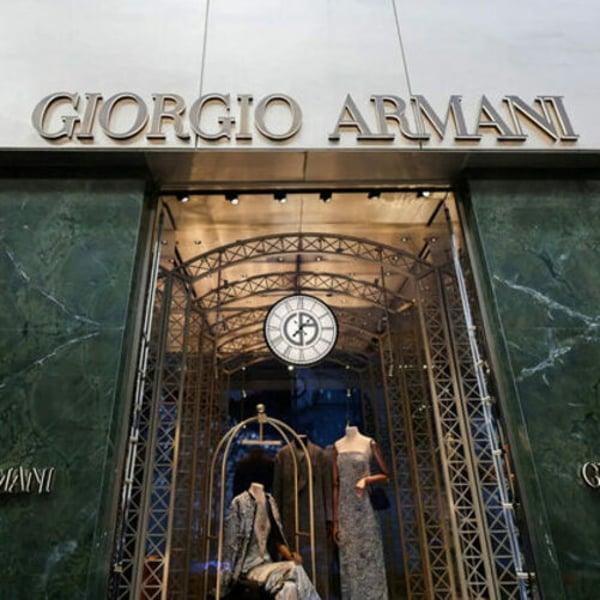
Beauty and Eyewear Sectors Watch Closely
The reported negotiations have generated particularly strong interest within cosmetics and eyewear industries because of Armani’s existing global influence in those markets.
L’Oréal already maintains a major presence in luxury beauty products, while EssilorLuxottica dominates global premium eyewear manufacturing and retail distribution.
Analysts say the reported luxury fashion merger discussions could create opportunities for expanded licensing agreements and integrated luxury branding strategies.
One retail market observer noted,
“Consumers increasingly expect luxury brands to offer complete lifestyle ecosystems rather than individual products.”
The discussions therefore extend far beyond traditional fashion industry interests.
History of Armani’s Global Luxury Influence
Founded during the 1970s, Giorgio Armani transformed from an Italian designer into one of the world’s most recognized luxury business leaders.
The company expanded internationally through fashion collections, fragrances, cosmetics, hotels, and premium lifestyle branding while maintaining operational independence.
Unlike many competitors acquired by major conglomerates, Armani continued operating under founder-led control for decades.
That history makes the current luxury fashion merger speculation especially significant within the global luxury market.
Many industry observers believe Armani represents one of the final major independent luxury empires still connected closely to its original founder identity.
Investors Monitor Luxury Market Strategy Changes
Financial analysts continue monitoring developments surrounding the reported ownership negotiations because even minority investment agreements could influence future industry consolidation trends.
The latest luxury fashion merger speculation also reflects broader investor confidence in premium global retail despite ongoing economic uncertainty in other sectors.
Luxury spending among high-income consumers has remained comparatively resilient, encouraging continued expansion efforts from major corporations.
One international investment specialist stated,
“Luxury brands remain attractive because global wealth concentration continues supporting premium consumer markets.”
The situation is expected to remain a major focus across European financial markets until official confirmation or clarification emerges.
Armani Discussions Could Reshape Luxury Markets
The reported Armani ownership discussions have rapidly evolved into one of the most influential luxury business stories of 2026. The potential luxury fashion merger involving L’Oréal, LVMH, and EssilorLuxottica could reshape strategic relationships across fashion, beauty, and premium retail industries worldwide.
While no final agreement has been publicly announced, the growing speculation has already highlighted Armani’s enormous cultural and financial influence within the global luxury sector.
As investors, retailers, and fashion leaders continue monitoring developments, analysts believe the negotiations may ultimately redefine future luxury consolidation strategies and premium market competition.
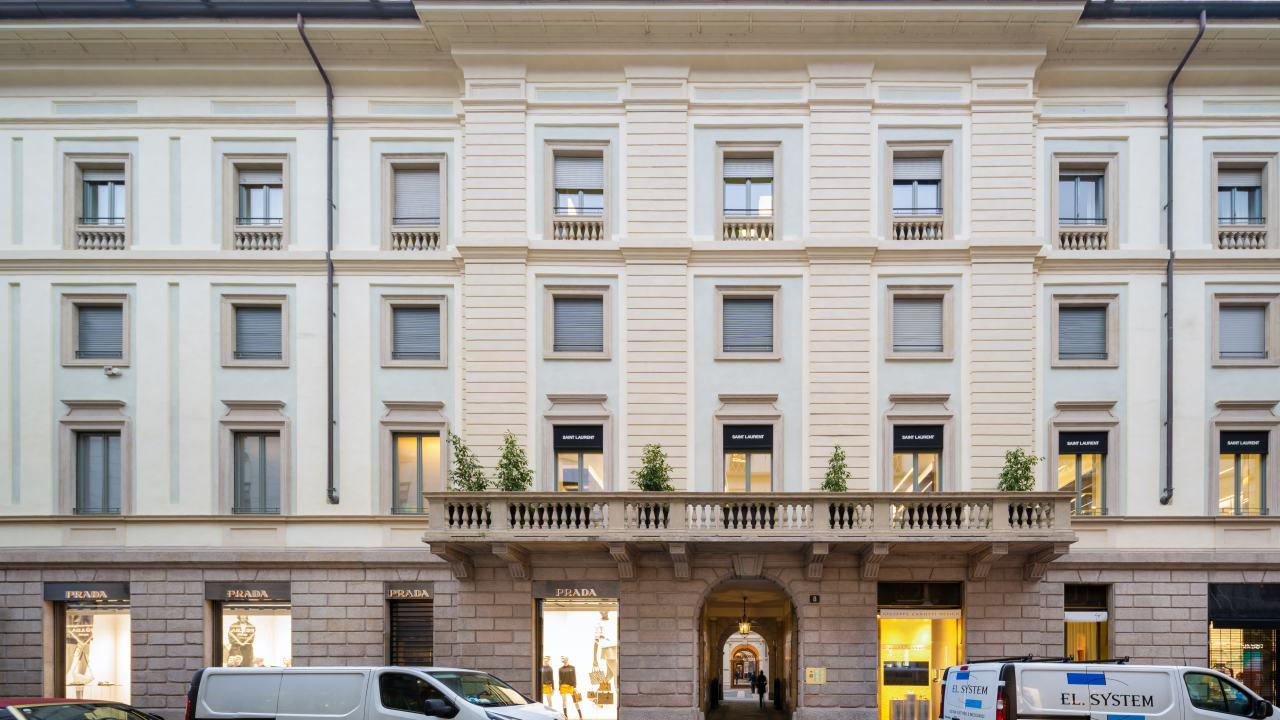
Armani Ownership Talks 2026
Location: Milan, Italy
Year: 2026
Main Issue: Armani ownership stake discussions
Focus Keyword: luxury fashion merger
Companies Linked: L’Oréal, LVMH, EssilorLuxottica
Potential Stake Size: 15%
Industry Impact: Global luxury market competition
Key Concern: Succession planning and strategic partnerships
Global Attention Level: High
Current Status: Negotiations and speculation ongoing