
Mark Zuckerberg youth trial takes center stage in Washington in 2026.
Lawmakers, families and experts debate digital responsibility and teen safety.
The case could redefine corporate accountability in the social media era.
WASHINGTON, February 18, 2026 — Parliament News — The Mark Zuckerberg youth trial has entered a critical stage in federal court, placing one of the most recognizable figures in global technology under intense legal scrutiny. Prosecutors and civil attorneys argue that platform design decisions may have contributed to mental health challenges among adolescents, while the defense maintains that digital tools offer connection, education and opportunity when used responsibly.
The Mark Zuckerberg youth trial has become one of the most closely followed courtroom proceedings of the year, drawing attention from policymakers, investors and families across the United States and abroad.
Allegations Center on Platform Architecture
At the core of the Mark Zuckerberg youth trial are allegations that certain engagement driven features amplified psychological vulnerabilities among teenagers. Plaintiffs contend that algorithmic feeds prioritized emotionally charged content and encouraged prolonged screen time.
Attorneys representing families argue that internal research highlighted potential risks but did not lead to sufficiently swift product adjustments. Court filings describe notification systems, recommendation engines and infinite scroll functions as central elements under examination.
Defense lawyers counter that digital platforms reflect user choice and that no direct evidence proves intentional harm. They emphasize that technological innovation often involves iterative learning and adaptation.
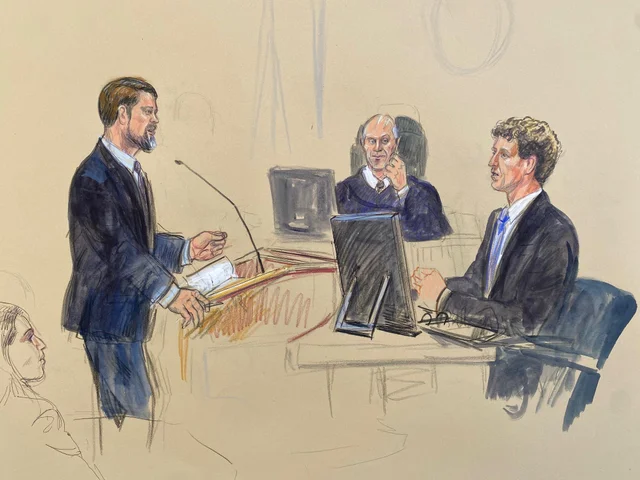
Families Share Emotional Testimony
The courtroom atmosphere has been shaped significantly by testimony from parents and guardians. Several described behavioral changes in their children, including increased isolation and anxiety following extended social media use.
One parent told the jury,
“We trusted these platforms to connect our children to the world, not disconnect them from themselves.”
The statement resonated widely and underscored the emotional dimension of the Mark Zuckerberg youth trial.
Advocacy groups supporting the plaintiffs have gathered outside the courthouse, calling for greater transparency in platform research and stronger protections for minors.
Corporate Defense and Executive Response
During testimony, company representatives highlighted the expansion of safety tools, including parental controls, content moderation filters and time management reminders. They argued that continuous investment in digital wellbeing initiatives demonstrates corporate responsibility.
The Mark Zuckerberg youth trial has prompted executives to reiterate commitments to collaboration with researchers and educators. Defense counsel stressed that the company has funded independent studies on adolescent mental health and online engagement.
Critics remain skeptical, arguing that financial incentives tied to user engagement may conflict with safety priorities.
Mental Health Experts Address Developmental Risk
Psychologists called to the stand have described adolescence as a period of heightened sensitivity to peer validation and social comparison. They noted that digital environments can intensify these dynamics.
However, several experts emphasized the complexity of causation. They explained that while correlations between screen time and emotional distress exist, isolating a single contributing factor remains challenging.
Throughout the Mark Zuckerberg youth trial, expert testimony has attempted to balance scientific nuance with the urgency of public concern.
Congressional Attention and Legislative Signals
The high visibility of the Mark Zuckerberg youth trial has sparked renewed legislative discussion in Washington. Lawmakers from both parties have introduced proposals aimed at increasing algorithm transparency and strengthening age verification systems.
Committee hearings held alongside the court proceedings have examined whether existing consumer protection laws adequately address digital environments.
Policy analysts suggest that regardless of the verdict, Congress may accelerate regulatory initiatives in response to growing voter concern about youth digital wellbeing.
Financial Markets Monitor Developments
Investors have responded cautiously as details from the Mark Zuckerberg youth trial emerge. Technology stocks have experienced modest fluctuations amid speculation about potential regulatory fallout.
Market strategists note that legal outcomes could influence advertising models and data usage policies. However, they also observe that major technology firms possess diversified revenue streams capable of absorbing regulatory adjustments.
The trial’s broader implications extend beyond a single company, shaping investor perception of sector wide risk exposure.
International Implications and Regulatory Echoes
Global regulators are closely observing proceedings in Washington. European policymakers have already introduced child focused digital safety measures, and the outcome of the Mark Zuckerberg youth trial may influence similar initiatives in other regions.
International coordination on online safety standards could emerge as governments exchange research and policy frameworks.
Technology companies operating across borders may face harmonized compliance expectations if consensus develops around stricter youth protections.

History of Corporate Accountability in the Digital Age
Debates over youth exposure to media are not new. In previous decades, policymakers scrutinized television content, video games and music distribution.
However, the Mark Zuckerberg youth trial represents a distinct chapter because of the interactive and personalized nature of modern platforms. Algorithms adapt in real time to user behavior, creating unique feedback loops for each individual.
This technological evolution complicates traditional legal frameworks, which were designed for static content rather than adaptive systems.
Community and Educational Responses
Schools across the United States have introduced digital literacy programs in response to rising parental concern. Administrators emphasize balanced device usage and critical thinking skills.
The Mark Zuckerberg youth trial has amplified awareness among educators who view the issue as part of a broader mental health conversation.
Counselors report increased demand for services addressing online peer pressure and sleep disruption linked to late night device use.
Legal Precedent and Future Litigation
Legal scholars describe the Mark Zuckerberg youth trial as potentially precedent setting. A ruling against the defense could redefine standards for corporate oversight of algorithm driven products.
Conversely, a verdict favoring the company might reinforce arguments that parental responsibility outweighs product liability in digital contexts.
Either outcome is likely to influence subsequent lawsuits involving online platforms and youth wellbeing claims.
Broader Cultural Reflection
Public opinion surveys conducted this year reveal growing concern among adults regarding adolescent screen time. At the same time, many teenagers report positive experiences connecting with peers and exploring creative interests online.
The Mark Zuckerberg youth trial embodies this dual narrative. It highlights tension between innovation and responsibility, connection and vulnerability.
Sociologists argue that society must adapt norms and expectations as technology continues to evolve.
Economic and Social Ripple Effects
Beyond immediate legal consequences, the trial may influence corporate governance practices. Boards of directors across the technology sector are reassessing risk management strategies.
The Mark Zuckerberg youth trial has encouraged firms to evaluate transparency protocols, research disclosure policies and safety feature design.
Long term implications could extend to advertising structures, data usage practices and product development cycles.
Innovation Versus Accountability
Technology leaders assert that innovation drives economic growth and global connectivity. Critics counter that innovation without accountability risks unintended harm.
The Mark Zuckerberg youth trial has intensified this philosophical debate. Policymakers must determine whether existing frameworks adequately balance entrepreneurial freedom with public protection.
Observers note that effective solutions may require cooperation rather than confrontation.
The Road Ahead for Digital Governance
Court proceedings are expected to continue for several weeks, with closing arguments anticipated later this summer. Analysts predict that appeals may follow regardless of the initial outcome.
The Mark Zuckerberg youth trial has already reshaped national discourse around digital responsibility. Legislative proposals, corporate policy revisions and community initiatives are likely to persist beyond the courtroom timeline.
Stakeholders across sectors recognize that youth digital wellbeing is a complex, multifaceted issue requiring sustained collaboration.

A Defining Moment for Platform Responsibility
As the case unfolds in Washington, the Mark Zuckerberg youth trial stands as a defining moment in the evolution of technology governance. The intersection of law, innovation and adolescent wellbeing has rarely been so visible.
Whether the verdict brings sweeping reform or incremental adjustment, the conversation it sparked will influence digital policy for years to come. In 2026, accountability in the algorithm era has moved from abstract debate to tangible courtroom reality.