

Middle East conflict news intensifies in 2026 as Washington signals deterrence and Tehran responds firmly.
Military readiness, diplomacy, and oil markets move in parallel amid rising uncertainty.
Global leaders call for restraint while strategic calculations reshape regional stability.
Washington, United States – February 20, 2026 – Parliament News — Middle East conflict news moved to the center of global attention on March 20, 2026, as Washington signaled a firm security posture while emphasizing that diplomatic channels remain open. The renewed tension follows weeks of heightened rhetoric, strategic military positioning, and intensified monitoring of key shipping corridors in the Persian Gulf.
Officials in Washington clarified that deterrence remains the primary objective. However, the sharp tone of recent statements has amplified Middle East conflict news across global media platforms, triggering cautious reactions from allies, financial markets, and regional governments.
Escalating Political Signals From Washington
Senior officials reiterated that national security commitments in the region remain unchanged. While no immediate operational changes were announced, the tone of messaging underscored readiness and resolve.
Analysts suggest that carefully calibrated language plays a strategic role in shaping Middle East conflict news narratives. Public statements often serve dual purposes: reassuring domestic audiences while signaling resolve internationally.
A senior administration official stated,
“Our objective is stability through strength, not confrontation for its own sake.”
This single comment reflects the balancing act between deterrence and diplomacy that currently defines Middle East conflict news.
Tehran’s Calculated Response
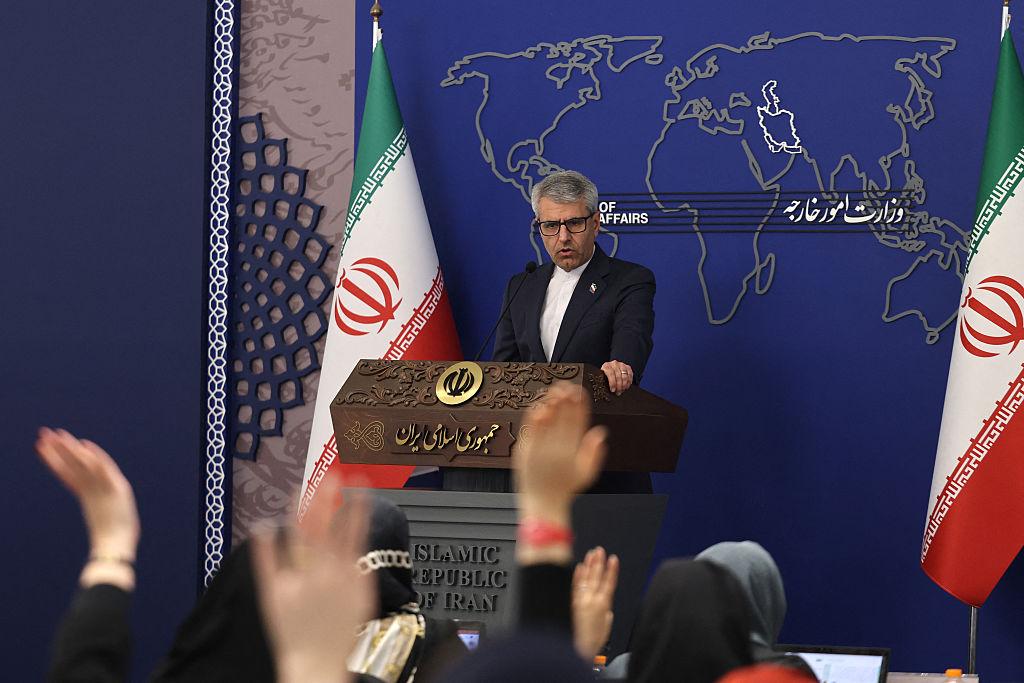
Iranian authorities responded with measured defiance, emphasizing sovereignty and preparedness while avoiding direct escalation. Government spokespeople signaled that dialogue remains possible if mutual respect is maintained.
Observers note that Middle East conflict news frequently follows a pattern of rhetorical escalation followed by behind the scenes engagement. Tehran’s statements mirrored this pattern, projecting resilience while leaving space for diplomatic engagement.
Regional analysts believe both governments understand the economic consequences of prolonged instability.
Strategic Military Visibility Without Immediate Action
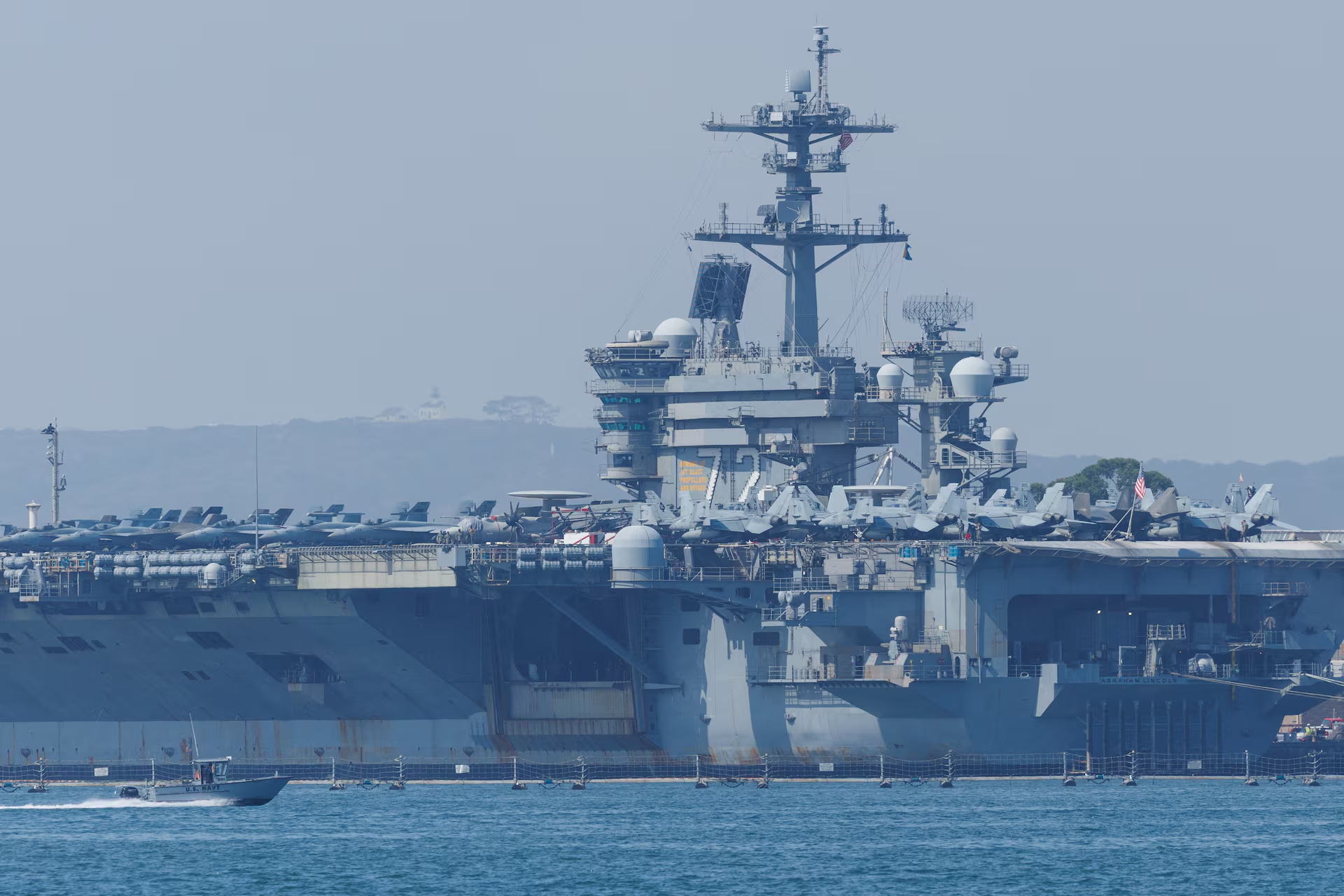
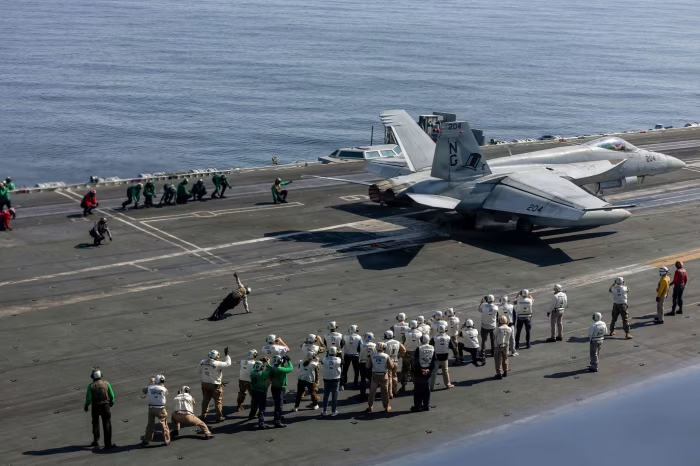
US naval deployments in the region remain consistent with established security protocols. Carrier strike groups and surveillance aircraft continue operating within international frameworks.
Military strategists argue that visible readiness is often designed to deter miscalculation. While Middle East conflict news headlines emphasize rising tension, defense officials stress that posture does not equal imminent conflict.
An independent defense analyst commented,
“Deterrence works best when it is visible, credible, and controlled.”
Such perspectives suggest that visibility may stabilize rather than destabilize the environment.
Oil Markets and Global Economic Ripple Effects
Energy markets reacted cautiously following renewed diplomatic friction. Oil futures saw modest volatility as traders weighed potential disruptions to shipping routes.
The Persian Gulf remains a critical artery for global energy flows. Consequently, Middle East conflict news has immediate implications for inflation expectations, shipping insurance costs, and broader economic stability.
Financial institutions report that investors are monitoring developments closely but do not anticipate immediate supply interruptions. Nevertheless, sustained uncertainty could elevate global risk premiums.
European and Asian Allies Call for Restraint
Allied governments across Europe and Asia urged calm and constructive engagement. Multilateral organizations emphasized dialogue as the most effective path forward.
A European diplomat noted,
“The international community has a shared interest in preventing escalation that could harm global markets and regional stability.”
This measured response illustrates how Middle East conflict news resonates beyond the immediate actors involved.
Diplomatic channels between Washington and Tehran remain active through intermediaries, reinforcing hopes that rhetoric will not translate into confrontation.
Domestic Political Dimensions in 2026
Foreign policy messaging often intersects with domestic political considerations. Strong rhetoric may resonate with voters who prioritize national security, while critics emphasize diplomatic solutions.
Political analysts argue that Middle East conflict news can influence electoral narratives, particularly in an election cycle year. Leaders must balance assertive messaging with economic considerations, including fuel prices and global trade stability.
Public opinion surveys indicate that citizens value strength but also prefer avoiding extended military engagements.
Regional Proxy Dynamics and Security Concerns
The broader Middle East landscape includes multiple state and non state actors whose actions can influence stability. Proxy groups and allied forces complicate strategic calculations.
Security experts warn that localized incidents could quickly expand if communication channels fail. Middle East conflict news often intensifies when proxy engagements occur near sensitive infrastructure.
Military commanders on all sides maintain communication protocols designed to prevent accidental escalation.
Diplomatic Frameworks and Negotiation Channels
Despite heightened rhetoric, negotiations remain an active component of strategic planning. Intermediary states continue facilitating dialogue aimed at de escalation.
Diplomats emphasize that Middle East conflict news does not necessarily preclude compromise. Historically, periods of strong language have sometimes preceded breakthrough negotiations.
Confidence building measures under consideration include enhanced transparency, verification agreements, and maritime coordination mechanisms.
Historical Context of US Iran Tensions
Relations between Washington and Tehran have experienced cycles of confrontation and cautious engagement for decades. From sanctions and nuclear negotiations to regional rivalries, each phase has reshaped the strategic environment.
The historical dimension provides essential perspective when analyzing Middle East conflict news. Past episodes demonstrate that rhetoric alone does not determine outcomes. Diplomatic resilience, economic pressures, and geopolitical alliances often influence final resolutions.
Understanding this background helps explain why global markets respond rapidly to developments, even when no immediate action follows.
Economic Implications Beyond Energy
Beyond oil markets, broader economic sectors face potential exposure to prolonged instability. Shipping routes, insurance premiums, and investment flows may shift depending on perceived risk.
Middle East conflict news can influence global capital allocation patterns, prompting investors to seek safe haven assets. Emerging markets often experience currency volatility during such periods.
Central banks remain attentive to inflation indicators that may arise from energy market fluctuations.
Information Warfare and Media Amplification
Digital platforms amplify developments at unprecedented speed. Social media narratives and online commentary shape public perception almost instantly.
Experts caution that misinformation can intensify Middle East conflict news beyond actual policy decisions. Governments increasingly monitor digital narratives to prevent panic or misinterpretation.
Responsible journalism plays a vital role in maintaining factual clarity amid heightened emotion.
Humanitarian Considerations and Civilian Impact
While geopolitical strategy dominates headlines, humanitarian implications remain central. Escalation could disrupt trade routes, energy access, and civilian livelihoods across multiple countries.
International aid organizations emphasize preparedness and contingency planning. Stability in the region directly influences food security, employment, and migration patterns.
Middle East conflict news therefore extends beyond military calculus to human welfare considerations.
A Critical Juncture for Global Stability
As March 2026 unfolds, policymakers face a defining test of restraint and strategic patience. The trajectory of Middle East conflict news will depend on disciplined communication and sustained diplomatic engagement.
Global leaders continue encouraging measured responses to prevent miscalculation. Markets, governments, and citizens alike watch closely for signs of de escalation or further entrenchment.
The coming weeks may determine whether heightened rhetoric evolves into confrontation or recalibrates toward negotiation. In a region long shaped by strategic rivalry, clarity and caution remain essential to preserving stability.