Middle East conflict oil impact drives a 20% surge in costs for India’s AWL in 2026.
Rising crude prices increase edible oil, logistics, and production expenses nationwide.
Consumers face higher prices as global tensions reshape supply chains.
Mumbai, April 29, 2026 (Parliament Politics Magazine) Middle East conflict oil impact is intensifying across global markets, with Adani Wilmar Limited (AWL) flagging a sharp 20% rise in oil-linked costs. The surge reflects growing volatility in crude oil prices tied to escalating tensions in the region, placing immediate pressure on supply chains, manufacturing costs, and consumer pricing across India.
The development underscores how geopolitical instability can rapidly influence domestic economies, particularly those heavily dependent on imports of energy and edible oils.
Rising Crude Prices Push Costs Higher Across Sectors
The latest surge in oil prices has had an immediate effect on operational costs for major companies. AWL’s disclosure highlights how sensitive business models are to fluctuations in global energy markets.
The Middle East conflict oil impact is particularly visible in industries reliant on transportation and imports. Increased fuel prices are driving up logistics costs, while higher raw material prices are affecting production margins.
“Global oil volatility is translating directly into higher consumer costs,”
said a commodities analyst based in Mumbai.
AWL Highlights Supply Chain Pressures
Adani Wilmar Limited has identified multiple areas where rising oil prices are affecting operations. These include procurement costs, transportation expenses, and energy-intensive manufacturing processes.
The Middle East conflict oil impact is evident in:
- Increased shipping and freight charges
- Higher import costs for edible oils
- Rising packaging costs linked to petroleum products
- Elevated energy expenses across facilities
These pressures are forcing companies to reassess pricing strategies and cost management approaches.
Cost and Market Indicators (2026)
- Reported cost increase by AWL: ~20% rise
- Crude oil price trend: Upward due to geopolitical tensions
- Edible oil import reliance (India): High dependency
- Logistics cost trend: Rising sharply
- Consumer price outlook: Inflationary pressure expected
This data reinforces how the Middle East conflict oil impact is affecting multiple layers of the economy.
Edible Oil Market Faces Immediate Price Pressure
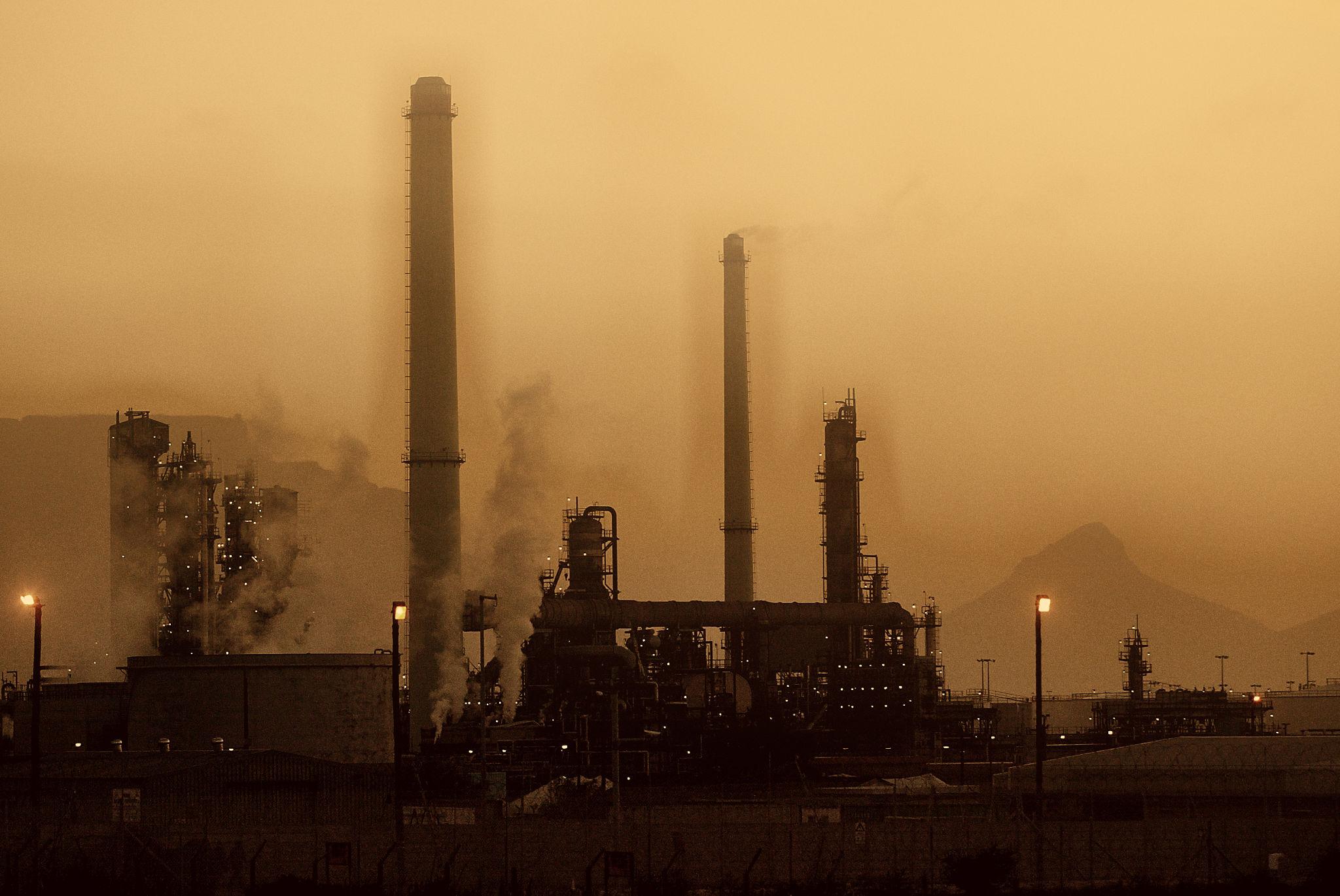
India’s edible oil sector is among the most directly affected by rising global prices. As one of the largest importers, the country depends heavily on stable supply chains, which are now under strain.
The Middle East conflict oil impact is expected to push retail prices higher, affecting household budgets and consumption patterns.
“Consumers are likely to see price increases in essential goods first,”
said a retail sector analyst.
Broader FMCG Sector Experiences Cost Increases
The fast-moving consumer goods sector is also facing challenges as rising oil prices affect packaging, transportation, and production costs.
The ripple effect of the Middle East conflict oil impact includes:
- Reduced profit margins for manufacturers
- Potential price adjustments across product lines
- Increased operational costs
- Pressure on supply chain efficiency
Companies may need to pass on some of these costs to consumers to maintain financial stability.
Market Reaction Reflects Growing Uncertainty
Financial markets are closely watching the situation, as rising costs can impact earnings and investor confidence. While demand for essential goods remains stable, profitability concerns are emerging.
The Middle East conflict oil impact is influencing market sentiment, with analysts focusing on how companies manage cost pressures in a volatile environment.
Historical Context: Oil Price Sensitivity and Global Conflicts
Historically, geopolitical tensions in the Middle East have had a significant impact on global oil prices. Past conflicts have led to supply disruptions, price spikes, and economic adjustments across importing nations.
The current Middle East conflict oil impact follows a similar pattern, though the effects are amplified by modern supply chain complexities and global demand dynamics.
Government Response and Policy Considerations
Governments may consider measures to mitigate the impact of rising oil prices. Potential strategies include adjusting import duties, managing strategic reserves, and implementing subsidies to stabilize consumer prices.
The management of the Middle East conflict oil impact will be critical in maintaining economic stability and preventing excessive inflation.
Future Outlook: Continued Volatility Expected
Analysts expect oil markets to remain volatile as geopolitical tensions persist. Companies and governments alike will need to adapt to rapidly changing conditions.
The trajectory of the Middle East conflict oil impact will depend on developments in the region and global energy supply dynamics.
“The situation remains uncertain, and price volatility could continue in the near term,”
said an energy market strategist.
Key Takeaways: Middle East Conflict Oil Impact Intensifies
The ongoing conflict is driving significant increases in oil-linked costs across global markets.
AWL’s reported 20% cost surge highlights the immediate impact on businesses and consumers.
The continued Middle East conflict oil impact is expected to shape economic conditions throughout 2026.