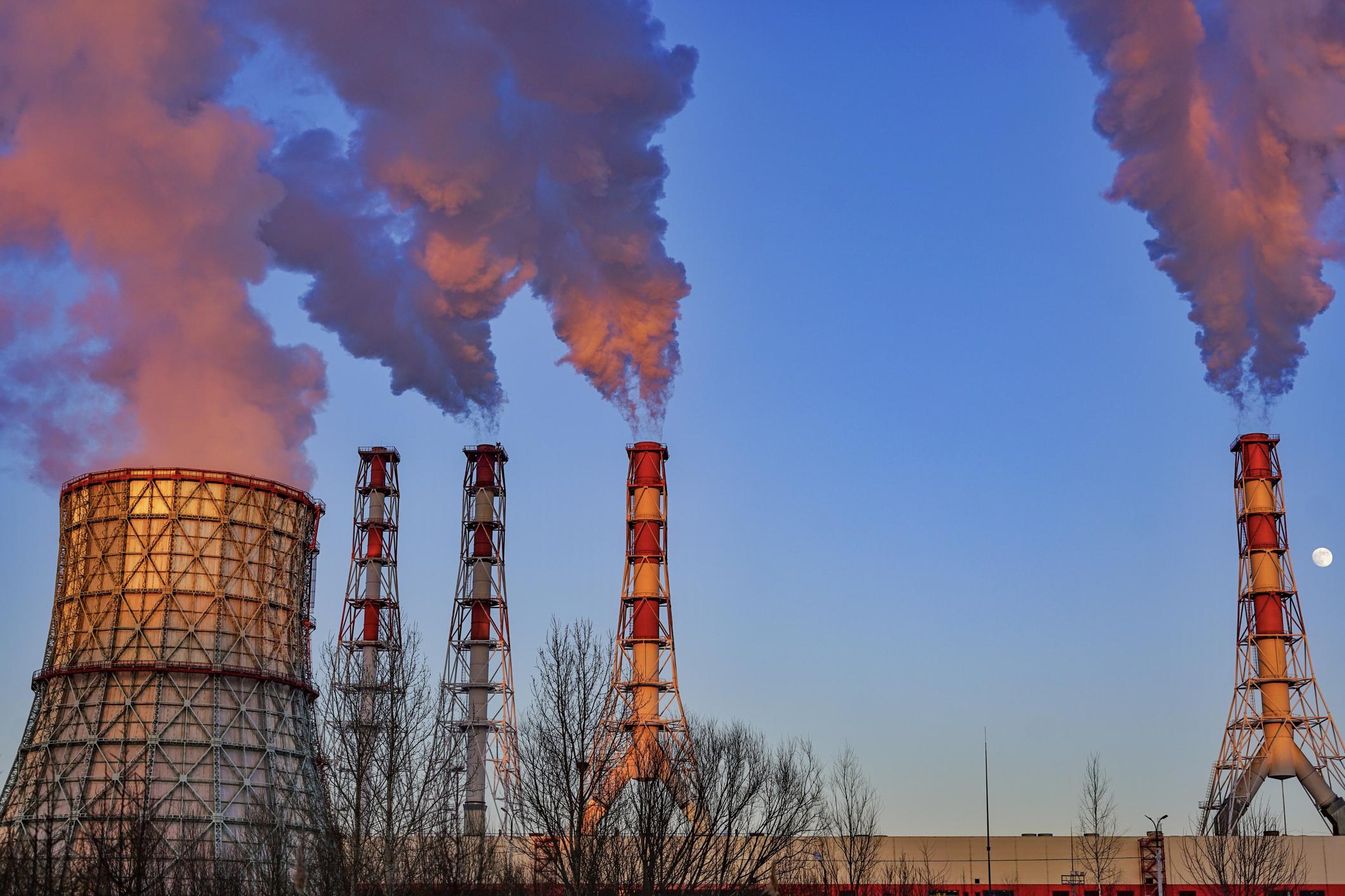
Tehran, Washington, March 22, 2026, Parliament Politics Magazine, Middle East energy crisis has intensified sharply in 2026, as Iran issued a stark warning of “irreversible” damage to regional energy infrastructure if its power plants are attacked. The warning comes at a critical moment, coinciding with the resignation of a top US counterterrorism official who stepped down in protest of Washington’s escalating war posture toward Iran.
The overlap of rising military threats and internal US dissent is amplifying fears that the region may be approaching a turning point with global consequences.
Iran Signals Escalation in Energy Strategy
The latest Middle East energy crisis development highlights a shift in strategy, with Iran explicitly linking military retaliation to energy infrastructure across the region.
Officials indicated that any attack on Iranian power facilities would trigger responses targeting key oil and gas assets, potentially disrupting global supply chains.
A regional analyst stated:
“This Middle East energy crisis is no longer theoretical. Energy infrastructure is now a central battlefield.”
Such statements have heightened concerns among governments and industries reliant on stable energy flows.
US Official Resignation Raises Alarm
Amid the growing Middle East energy crisis, the resignation of a senior US counterterrorism official has added urgency to the situation. The official reportedly opposed the direction of US policy, warning that escalating tensions could spiral into a broader conflict.
Sources suggest the resignation was intended to highlight the risks associated with current strategies.
“This is a clear signal that internal concerns are reaching a breaking point,” said a former intelligence advisor.
The departure underscores divisions within the US national security establishment at a critical time.
Global Energy Markets React Quickly
The Middle East energy crisis is already influencing global markets, particularly oil and gas sectors. The region’s role as a major energy supplier makes it highly sensitive to geopolitical developments.
Oil prices have shown volatility as traders assess the likelihood of disruptions. Even minor incidents affecting infrastructure could lead to significant market reactions.
Experts warn that prolonged instability could have ripple effects across global economies, impacting everything from fuel prices to industrial production.
Risk of Broader Regional Conflict
The Middle East energy crisis is closely tied to escalating tensions between Iran and the United States, as well as ongoing conflicts involving regional actors.
Security analysts caution that targeting energy infrastructure could trigger widespread retaliation, drawing multiple countries into the conflict.
“Once energy assets are involved, the scale of the conflict changes dramatically,”
noted a geopolitical expert.
The potential for escalation is raising concerns about the stability of the entire region.
Strategic Importance of Energy Infrastructure
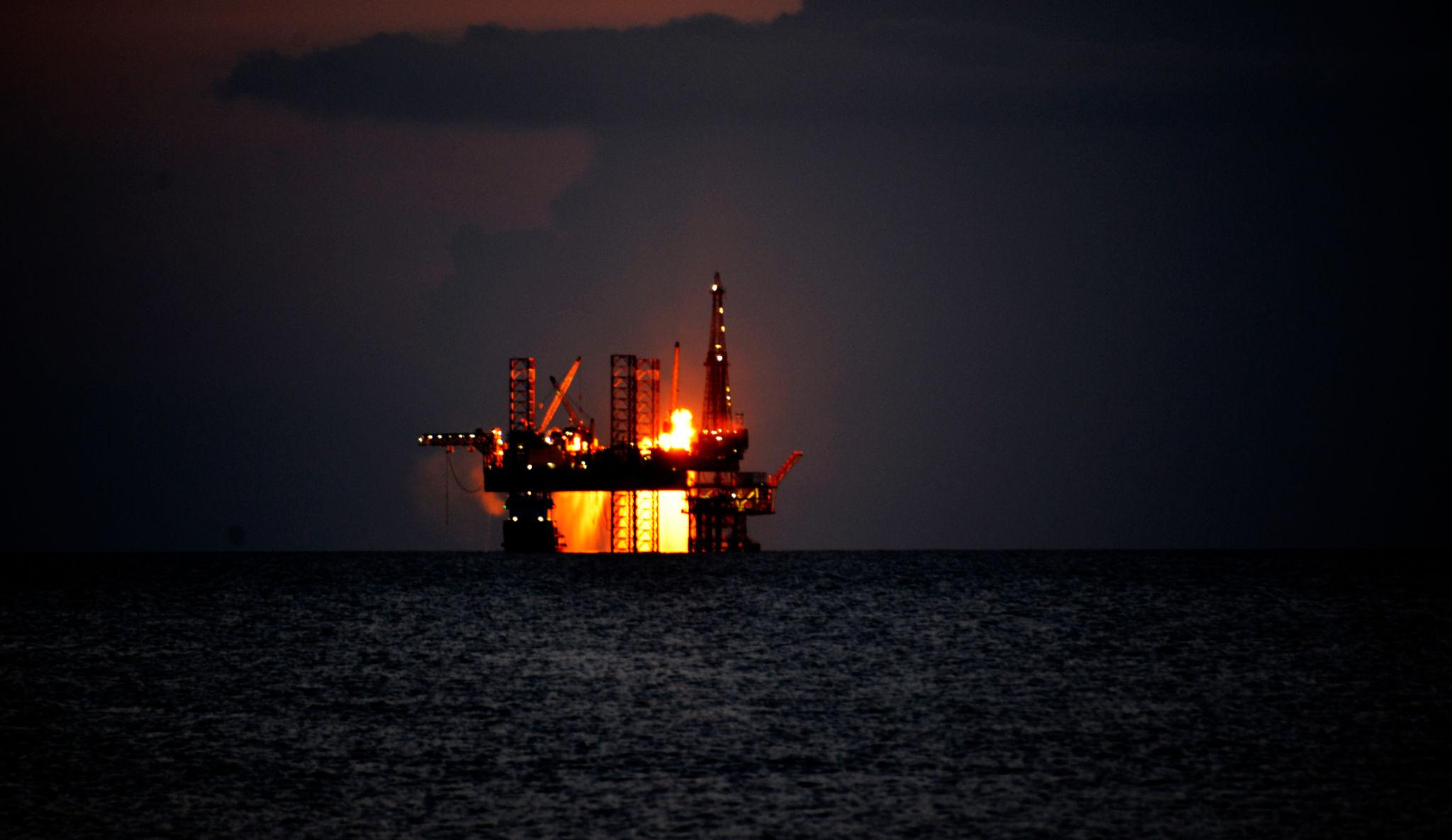
The Middle East energy crisis underscores the strategic importance of energy assets in modern warfare. Unlike traditional targets, energy infrastructure directly affects global markets and economic stability.
Countries dependent on Middle Eastern oil and gas supplies are particularly vulnerable, making the stakes significantly higher.
This shift in focus reflects a broader trend where economic leverage becomes a key component of conflict.
Political Pressure Builds in Washington
In Washington, the Middle East energy crisis is fueling debate over US foreign policy. Lawmakers are calling for greater transparency and questioning whether current strategies are increasing risks unnecessarily.
The resignation of the counterterrorism official has intensified scrutiny, with some officials advocating for a more measured approach.
The administration continues to defend its actions, emphasizing the need to deter threats and maintain regional stability.
Economic Fallout Could Be Significant
The Middle East energy crisis carries substantial economic implications. Disruptions to energy supply could lead to higher oil prices, increased inflation, and slower economic growth.
Financial markets are reacting cautiously, with investors closely monitoring developments.
Economists warn that prolonged instability could create long-term challenges for both developed and emerging economies.
What Happens Next?
As the Middle East energy crisis unfolds, several key questions remain:
- Will diplomatic efforts succeed in reducing tensions?
- Could energy infrastructure become primary targets?
- How will global markets adapt to ongoing uncertainty?
The answers will shape the future of both the region and the global economy.
“Energy on the Edge”
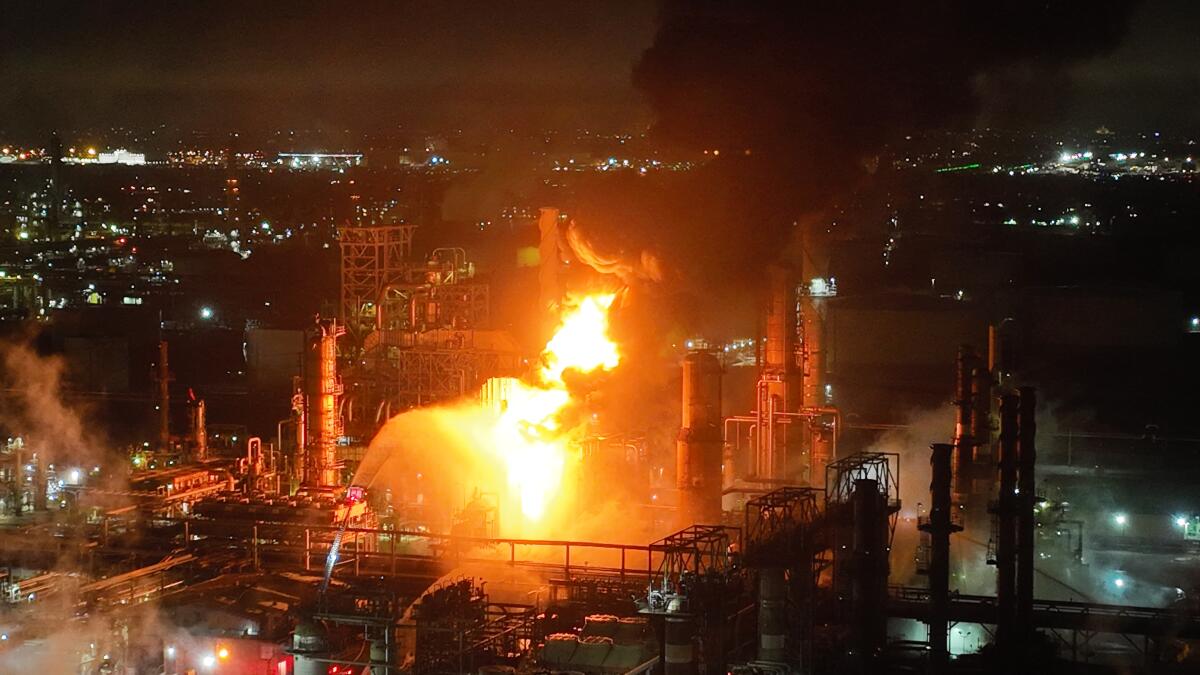
The Middle East energy crisis has reached a critical moment, driven by escalating tensions, strategic threats to infrastructure, and internal divisions within the US government. The resignation of a top counterterrorism official underscores the seriousness of the situation.
With energy security now at the center of geopolitical conflict, the stakes extend far beyond the region. The coming weeks will determine whether the crisis stabilizes—or escalates into a broader global challenge.