

Beirut, April 10, 2026 (Parliament Politics Magazine) Middle East escalation news is intensifying as Israeli strikes hit towns in southern Lebanon and the western Bekaa region, raising fears of a broader regional confrontation. The latest developments mark a significant escalation in hostilities involving Israel, with growing concern among international observers about the potential for conflict to spread.
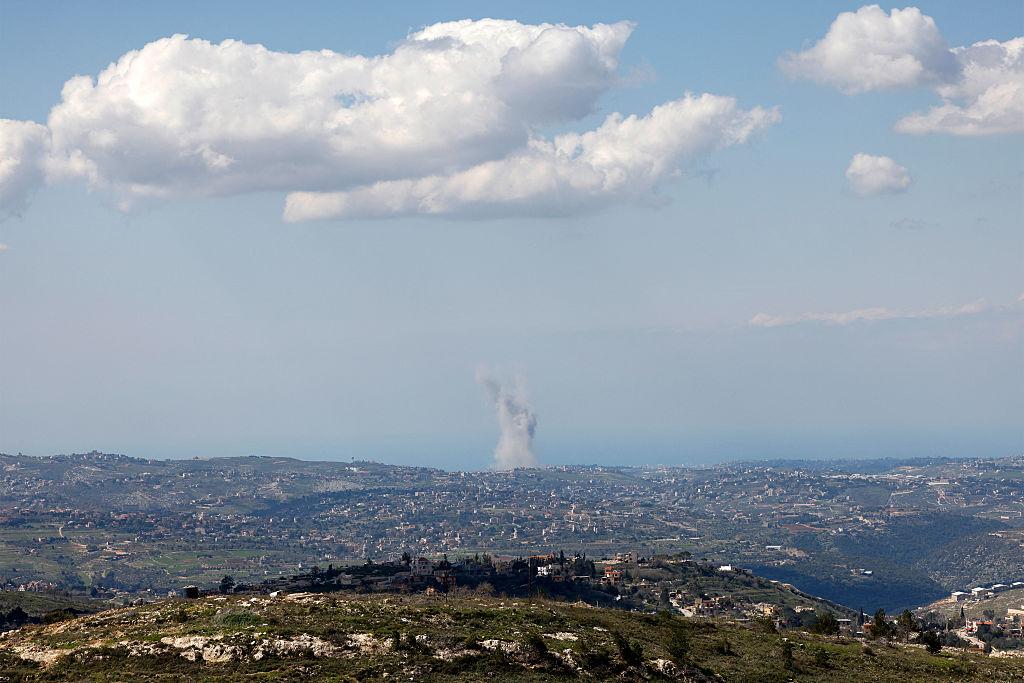
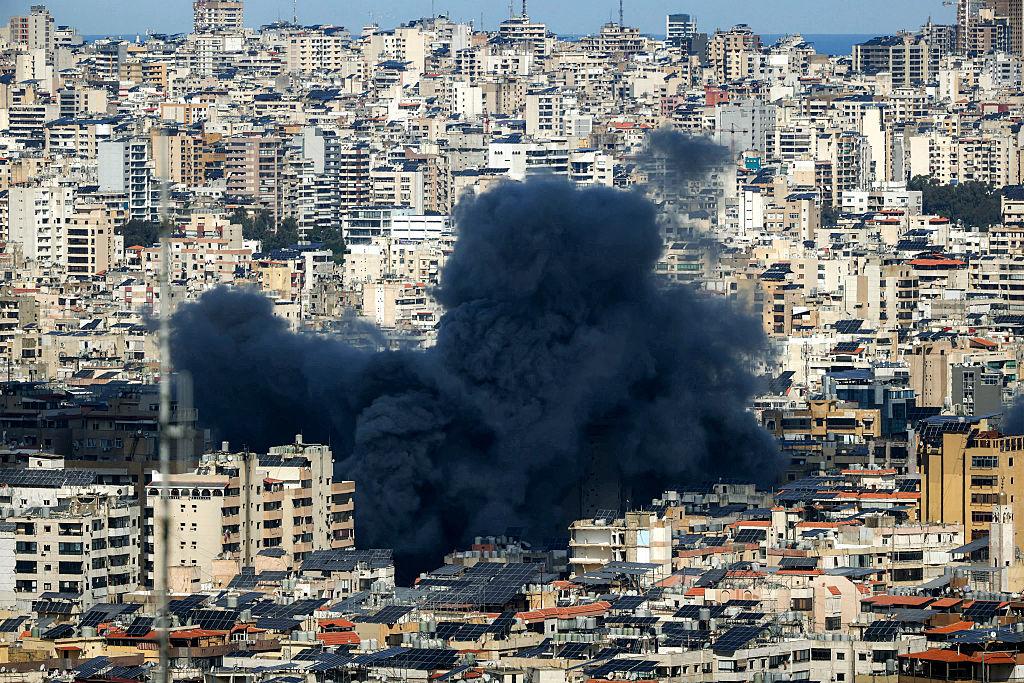
Residents reported explosions across multiple areas, with smoke visible in several towns. The strikes come amid already heightened tensions across the region, further complicating efforts to maintain stability.
Escalation Expands Across Southern Lebanon
The latest Middle East escalation news reflects a widening scope of military activity along the Lebanon-Israel border. Southern Lebanon has long been a flashpoint, but the inclusion of targets in the western Bekaa Valley suggests a broader operational reach.
Security analysts warn that expanding strike zones increases the risk of retaliation and escalation. Each new development adds pressure to an already volatile situation.
A regional expert stated:
“Escalation is rarely contained once it spreads geographically. The risk of a larger conflict increases with every new strike.”
Strategic Significance of the Bekaa Valley
The western Bekaa region holds critical strategic importance due to its geographic location and historical role in regional conflicts. Control and influence in this area are closely tied to broader security considerations.
As Middle East escalation news continues to unfold, the targeting of Bekaa highlights shifting dynamics on the ground. Analysts suggest that the strikes may be intended to disrupt perceived threats or alter the balance of power.
However, such actions also carry the potential to provoke further responses, contributing to a cycle of escalation.
Civilian Impact Raises Humanitarian Concerns
The human impact of the latest developments is significant. When Middle East escalation news involves strikes on populated areas, the consequences extend beyond military objectives.
Residents in affected regions have reported damage to homes and infrastructure, as well as disruptions to essential services. The psychological toll of repeated conflict adds another layer of hardship.
Humanitarian organizations are monitoring the situation closely, preparing for potential increases in need if the conflict intensifies.
Regional Reactions Signal Growing Concern
Governments across the Middle East have responded cautiously, urging restraint while expressing concern over the trajectory of events. The broader regional context adds complexity, as multiple conflicts intersect.
The emergence of Middle East escalation news at this scale has heightened fears that the situation could spiral into a wider confrontation involving additional actors.
Neighboring countries remain particularly alert, recognizing the potential for instability to spread beyond Lebanon’s borders.
International Pressure for De-Escalation
Global leaders have called for immediate de-escalation, emphasizing the importance of preventing further deterioration. Diplomatic channels remain active, with efforts underway to reduce tensions.
The international response reflects the understanding that Middle East escalation news has implications far beyond the region. Stability in this area is closely linked to global security and economic conditions.
Calls for restraint have been consistent, but the effectiveness of these efforts remains uncertain.
Economic Impact and Oil Market Volatility
The latest Middle East escalation news has also influenced global markets, particularly in the energy sector. The Middle East’s central role in oil production means that instability can quickly affect prices.
Market analysts note that even limited escalation can lead to increased volatility, as investors react to uncertainty.
If tensions continue to rise, the potential for disruptions to supply routes could have broader economic consequences.
A Recurring Pattern of Conflict
The current situation reflects a familiar pattern in the region, where cycles of escalation and retaliation create ongoing instability. Each incident builds on previous tensions, making resolution more challenging.
The recurrence of Middle East escalation news highlights the difficulty of achieving lasting peace in a complex geopolitical environment.
Breaking this cycle will require sustained diplomatic engagement and a commitment to addressing underlying issues.
What Happens Next?
The coming days will be critical in determining the direction of the conflict. Observers are closely watching for signs of further escalation or potential de-escalation.
If tensions continue to rise, the risk of a broader conflict will increase. However, there remains an opportunity for diplomatic intervention to stabilize the situation.
The trajectory of Middle East escalation news will depend on the actions and decisions of key stakeholders.
Rising Risks of Wider Conflict
Middle East escalation news continues to dominate headlines as Israeli strikes hit southern Lebanon and the Bekaa region. The developments underscore the fragile nature of regional stability and the potential for conflict to expand.
While global leaders are calling for restraint, the situation remains uncertain. The coming days will play a crucial role in determining whether tensions ease or escalate further.
