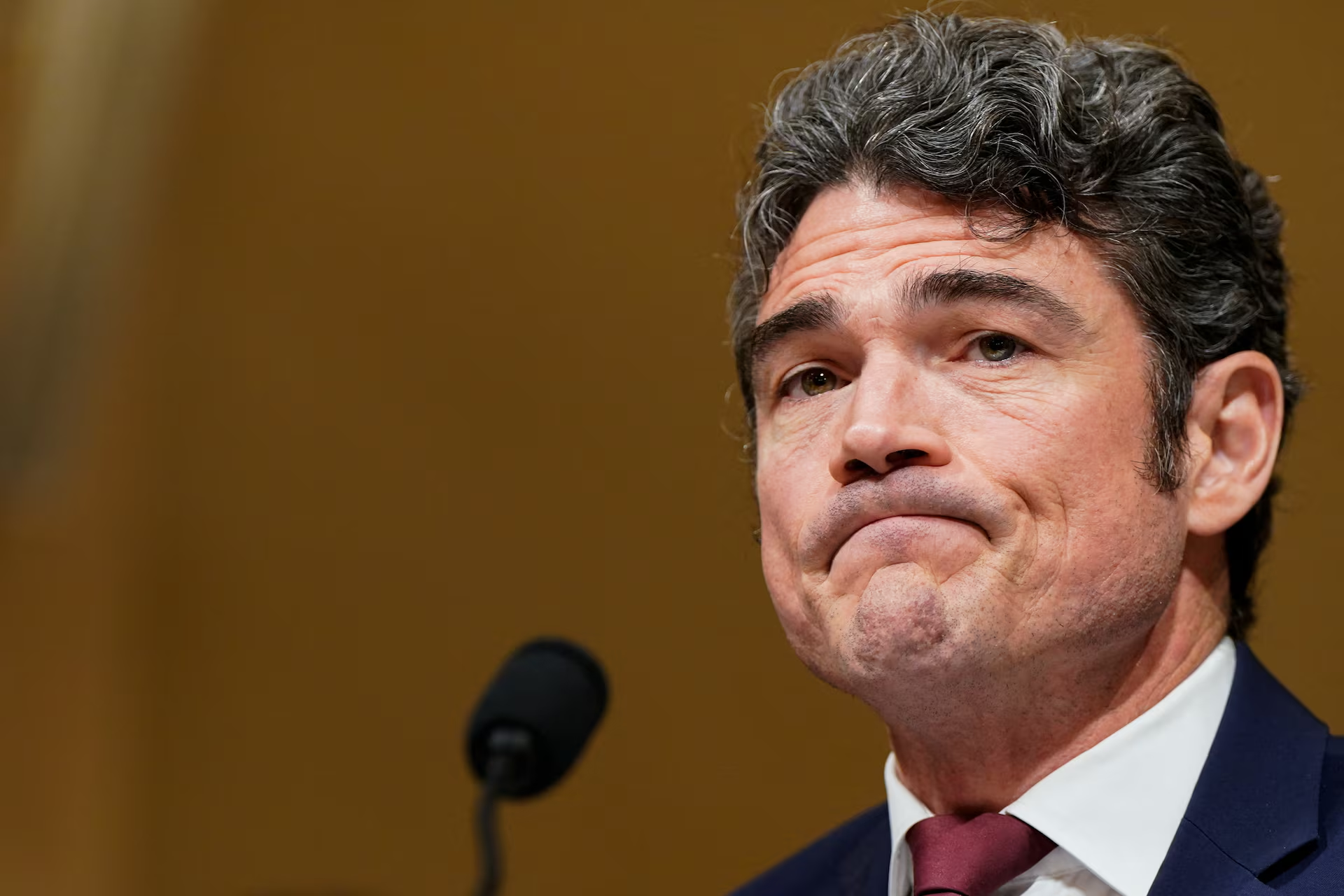
Washington — March 18, 2026 — Parliament Politics Magazine — Middle East geopolitical crisis intensifies as a top U.S. counterterrorism official steps down in protest over the country’s military posture toward Iran. The resignation comes at a critical moment, highlighting internal disagreements within the national security establishment and raising concerns about the future direction of U.S. foreign policy.
The sudden development has triggered widespread debate across political, military, and intelligence circles. While officials attempt to maintain stability, the departure signals deeper tensions that have been building behind the scenes.
A Resignation That Reflects Internal Division
The unfolding Middle East geopolitical crisis is now tied directly to high-level dissent within U.S. leadership. Sources familiar with the matter indicate that the resignation was driven by concerns over escalating military actions and their long-term consequences.
According to insiders, the departing official had repeatedly warned that aggressive strategies could undermine global counterterrorism efforts. Those concerns appear to have reached a breaking point.
A senior analyst noted,
“This is not just a resignation—it’s a warning sign that policy disagreements have reached a critical level.”
The situation underscores the complexity of managing national security in an increasingly volatile global environment.
Escalating Tensions Between the US and Iran
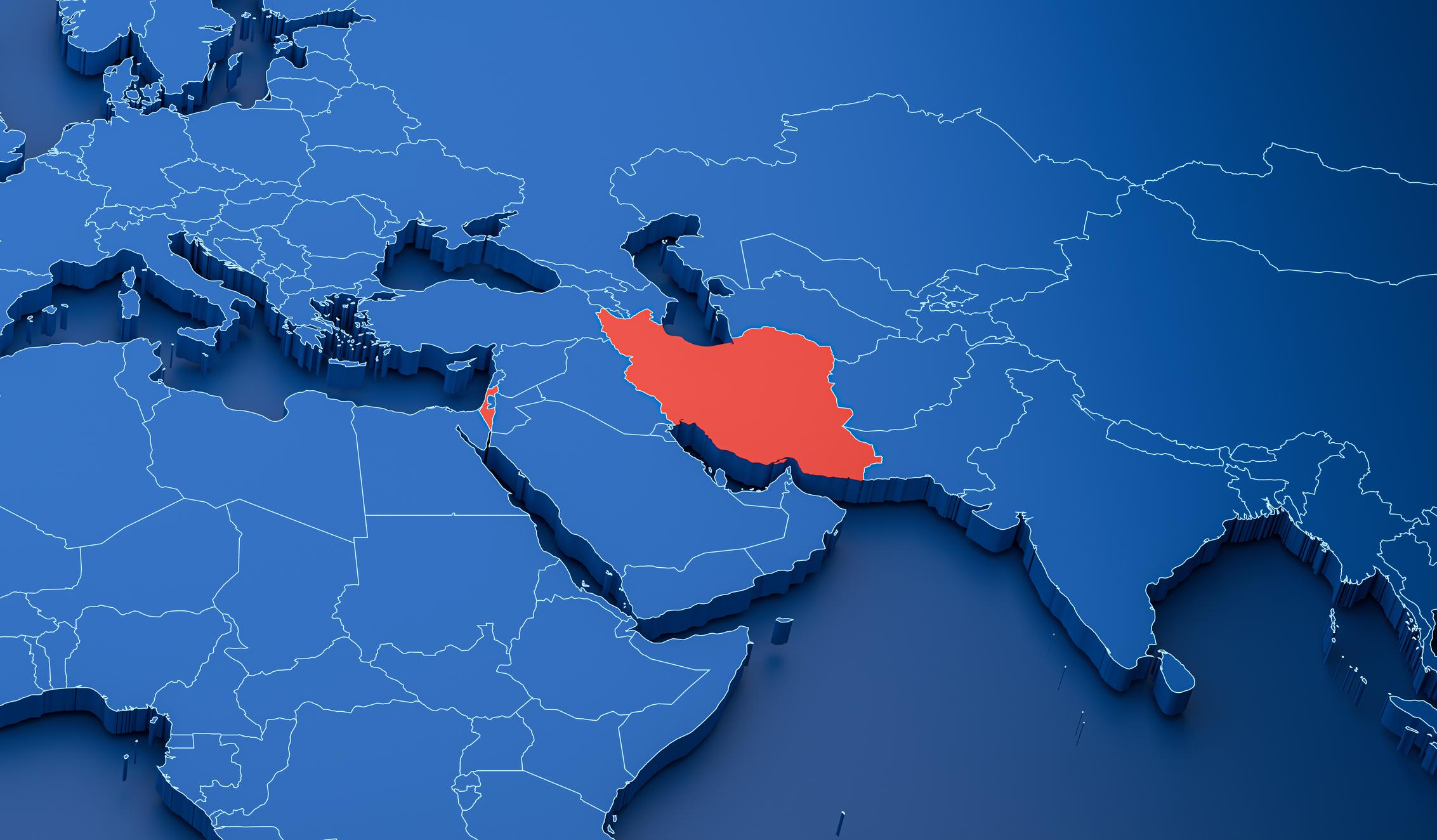
The Middle East geopolitical crisis has been fueled by a series of escalating actions between Washington and Tehran. Increased military presence, economic sanctions, and diplomatic breakdowns have created a fragile and unpredictable situation.
Experts argue that the resignation highlights the risks associated with continued escalation. While some policymakers support a firm stance, others believe it may provoke unintended consequences that could destabilize the region further.
The divide in opinion is now visible, with the resignation serving as a clear manifestation of internal conflict.
Reaction Across the National Security Community
Within intelligence and defense agencies, the response has been immediate. The Middle East geopolitical crisis has prompted concerns about leadership continuity and operational effectiveness.
Some officials fear that the resignation could disrupt ongoing counterterrorism missions, while others see it as a principled stand against policies they view as unsustainable.
A former intelligence official commented,
“When someone at that level walks away, it tells you something serious is happening behind closed doors.”
The departure has intensified scrutiny on how national security decisions are being made.
Political Fallout in Washington
The Middle East geopolitical crisis is quickly becoming a major political issue. Lawmakers are calling for transparency, demanding answers about what led to the resignation and what it means for future policy.
Critics argue that the situation reflects broader failures in strategy, while supporters of the current administration maintain that strong measures are necessary to protect national interests.
Despite attempts to downplay the impact, the resignation has added fuel to an already heated debate in Washington.
Global Reactions and Strategic Concerns
International allies are watching closely as the Middle East geopolitical crisis unfolds. The resignation has raised questions about the stability of U.S. leadership and its implications for global security partnerships.
Countries that rely on U.S. intelligence and military coordination may now be reassessing their expectations. At the same time, adversaries could interpret the move as a sign of internal division.
This uncertainty adds another layer of complexity to an already tense geopolitical landscape.
Broader Regional Context Adds Pressure
Amid the ongoing Middle East geopolitical crisis, other developments in the region are drawing attention. One such example is the Iran women’s football team returns home after asylum controversy, an event that has sparked international discussion about social and political conditions within Iran.
While not directly linked to military policy, such developments highlight the broader challenges facing the region. Political tensions, social unrest, and international scrutiny are all converging at a critical moment.
The timing of the resignation amplifies concerns about how these overlapping issues will evolve.
Strategic Disagreements Behind the Scenes
The Middle East geopolitical crisis is also revealing deep divisions over long-term strategy. Reports suggest that the departing official believed current policies could weaken global counterterrorism efforts by creating instability.
These disagreements have been ongoing, but the resignation indicates that internal consensus has broken down.
Observers note that such divisions are not uncommon, but they rarely become public in such a dramatic way.
Impact on Counterterrorism Efforts
One of the most pressing concerns is how the Middle East geopolitical crisis will affect ongoing operations. Leadership changes can create uncertainty, particularly in complex international environments.
Experts stress the importance of maintaining continuity to ensure that counterterrorism initiatives remain effective. Any disruption could have far-reaching consequences.
The resignation has also raised concerns about morale within the intelligence community, where stability is often seen as critical.
A Potential Turning Point in Policy
Many analysts believe that the Middle East geopolitical crisis could mark a turning point in U.S. foreign policy. The resignation has brought internal disagreements into the public eye, potentially influencing future decisions.
If additional officials express similar concerns, it could lead to a reevaluation of current strategies. Alternatively, the administration may double down on its approach.
Either way, the situation has intensified the global spotlight on U.S. actions in the region.
What Comes Next?
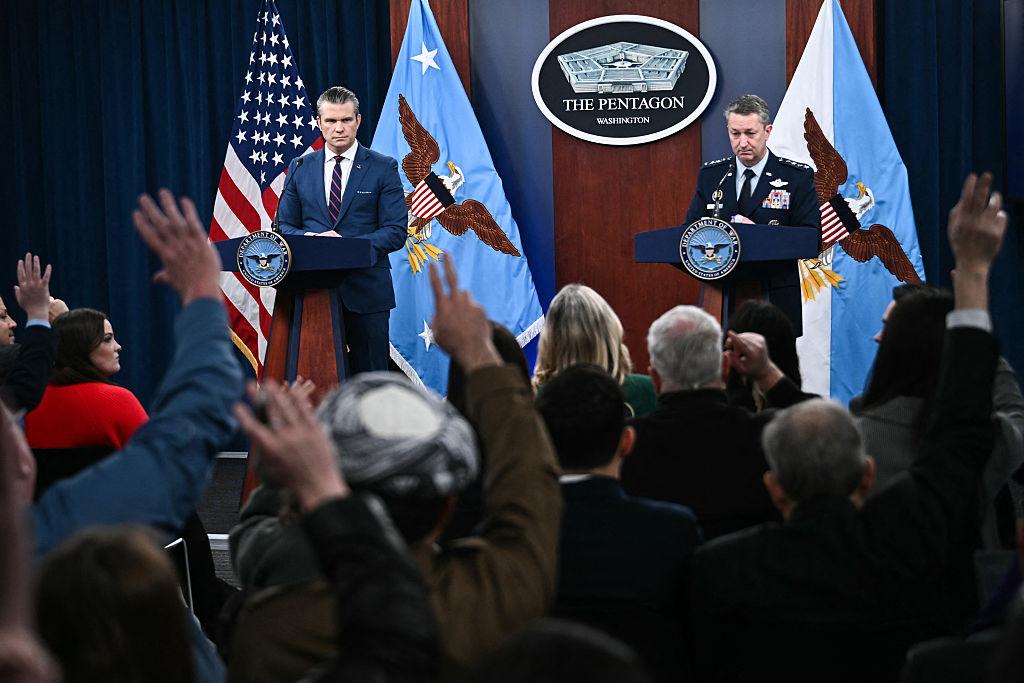
As the Middle East geopolitical crisis continues to unfold, attention is turning to the future. The appointment of a replacement will be closely watched, as it may signal the direction of policy moving forward.
Allies, adversaries, and policymakers alike are assessing the implications of this development. The coming weeks are expected to provide greater clarity on how the situation will evolve.
Rising Uncertainty in a Volatile Region
The Middle East geopolitical crisis has entered a new phase following the resignation of a key counterterrorism official. This development highlights deep divisions within U.S. leadership and raises important questions about the future of global security.
As tensions with Iran persist and regional challenges continue to mount, the impact of this resignation is likely to be felt far beyond Washington. It serves as a reminder of the delicate balance required to navigate complex international conflicts in an increasingly interconnected world.