

Washington, March 22, 2026, Parliament Politics Magazine, Middle East military tensions have intensified dramatically following the resignation of a senior US counterterrorism official who stepped down in protest of Washington’s escalating military stance toward Iran. The unexpected move has exposed deep fractures within US national security leadership and heightened fears of a broader geopolitical crisis.
The resignation comes as both the United States and Iran present sharply conflicting narratives about military strength, deterrence, and the risks of open conflict.
Resignation Reveals Deep Policy Divide
The departing official, known for decades of experience in counterterrorism strategy, reportedly resigned after raising serious concerns about the direction of US military policy in the region.
Sources indicate the official warned that the current approach underestimates Iran’s capabilities and could lead to a dangerous miscalculation.
the official reportedly said.
“The consequences of getting this wrong are enormous.”
The resignation has quickly become a flashpoint in Washington, with analysts viewing it as a rare and powerful signal of internal dissent at the highest levels.
Iran Pushes Back as Narratives Clash
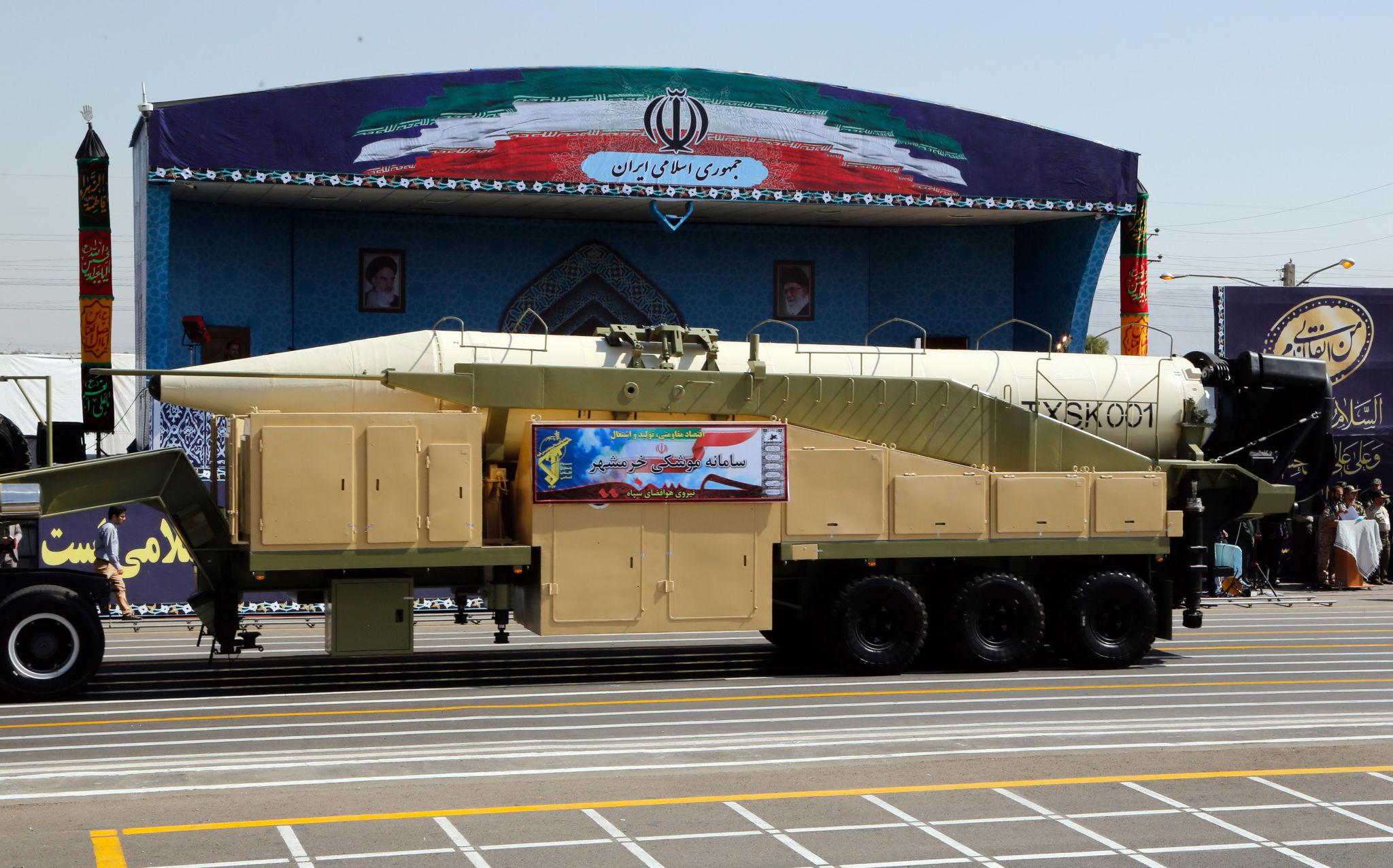
At the core of the crisis are escalating Middle East military tensions, driven in part by Iran’s firm rejection of US claims that its military infrastructure has been significantly weakened.
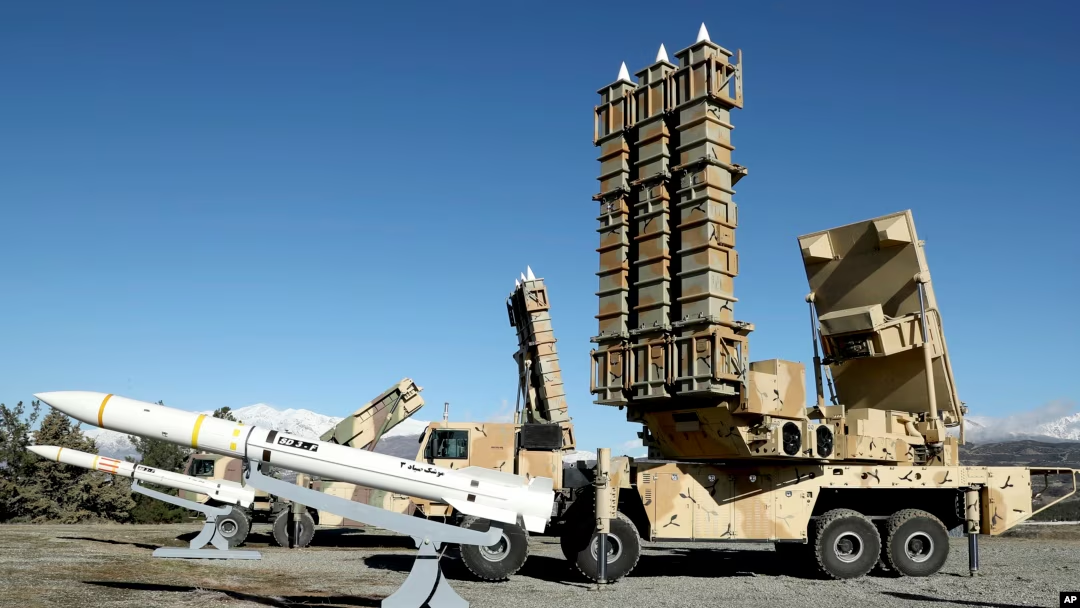
Iranian leaders have instead projected confidence, emphasizing advancements in missile systems, drone capabilities, and regional defense networks.
“Our military strength is intact and growing,”
an Iranian spokesperson stated.
This stark contrast between US assessments and Iranian assertions is fueling uncertainty and raising the stakes across the region.
War Rhetoric Intensifies Across the Region
The rise in Middle East military tensions comes amid increasingly aggressive rhetoric from Washington, including discussions of expanded military operations targeting Iranian assets.
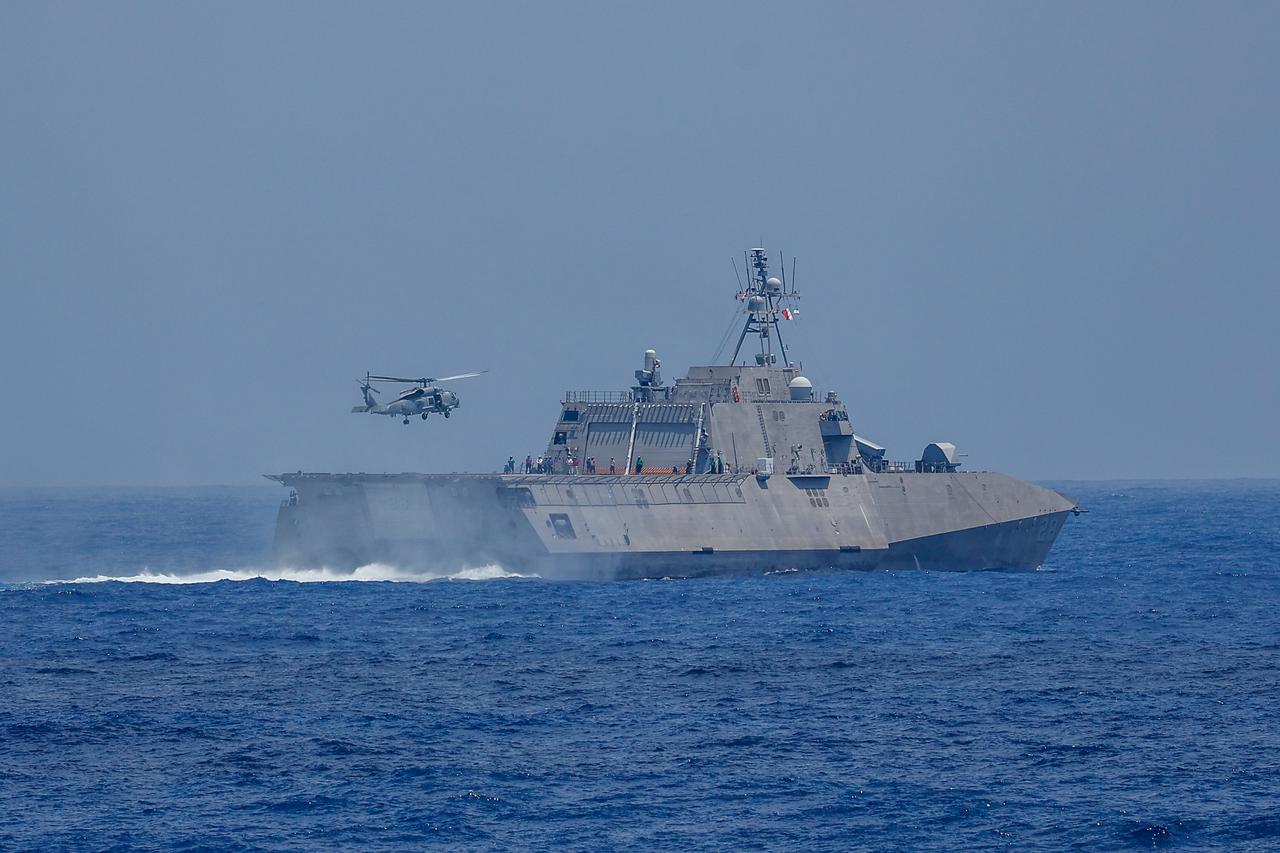
Military movements, including naval deployments and strategic positioning in key waterways, have further amplified concerns about a potential confrontation.
Experts warn that these developments could quickly escalate if miscalculations occur.
“When tensions reach this level, even small incidents can spiral into major conflict,”
said a regional security analyst.
The situation is being closely monitored by global powers, many of whom are urging restraint.
Regional Impact and Global Risks
The implications of rising Middle East military tensions extend far beyond the immediate conflict.
Neighboring countries are reassessing their security postures, while global markets react nervously to the possibility of disruption in energy supplies and trade routes.
Strategic chokepoints such as the Strait of Hormuz remain particularly vulnerable, with any disruption likely to have significant economic consequences worldwide.
The interconnected nature of the region means that a direct US-Iran confrontation could trigger a cascade of reactions involving multiple nations.
Intelligence and Strategy Under Question
The resignation has also reignited debate over the accuracy of US intelligence assessments.
Critics argue that political considerations may be influencing strategic decisions, potentially leading to flawed conclusions about Iran’s capabilities.
The growing Middle East military tensions highlight the importance of accurate intelligence and careful policy planning.
“History has shown that misjudging an adversary can lead to prolonged conflict,”
a former intelligence official noted.
Calls for greater transparency and reassessment of intelligence frameworks are gaining momentum.
Historical Lessons Resurface
Observers have pointed to past conflicts where underestimating an opponent’s strength led to costly and prolonged wars.
The current surge in Middle East military tensions serves as a reminder of those lessons, emphasizing the need for caution and strategic clarity.
History suggests that miscalculations in volatile regions can have far-reaching consequences that extend well beyond initial expectations.
Global Diplomatic Pressure Builds
As Middle East military tensions continue to rise, international calls for diplomacy are growing louder.
Allies and neutral nations alike are urging both Washington and Tehran to engage in dialogue and avoid further escalation.
Diplomatic channels remain open, but progress appears limited amid ongoing mistrust and heightened rhetoric.
The situation remains fluid, with developments unfolding rapidly.
What Comes Next?
The resignation of a top official raises critical questions about the future of US policy in the region:
- Will Washington reconsider its approach?
- Can diplomatic efforts ease Middle East military tensions?
- How will Iran respond to continued pressure?
The answers to these questions will likely shape the trajectory of the crisis in the coming months.
The Moment That Could Change the Middle East
The sudden resignation of a senior US counterterrorism official has brought Middle East military tensions into sharp focus, exposing internal divisions and raising serious concerns about the risk of escalation.
As competing narratives about military strength collide, the potential for miscalculation grows, placing the region—and the world—on edge.
This unfolding crisis may prove to be a defining moment in global security, with consequences that could reshape the geopolitical landscape for years to come.
