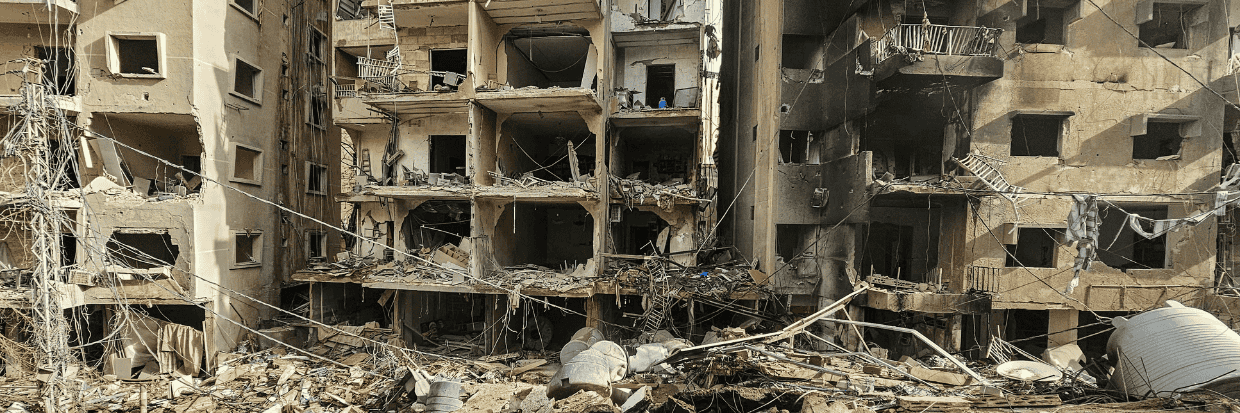
Jerusalem, Beirut, April 2, 2026 (Parliament Politics Magazine) Middle East regional war risk is rising sharply after Israeli military officials claimed that 40 Hezbollah fighters were killed within the last 24 hours. The development signals a dangerous escalation along the Israel-Lebanon border, raising concerns that the conflict could expand beyond localized clashes into a broader regional confrontation.
This latest update comes amid ongoing cross-border tensions, where military operations have intensified and diplomatic solutions remain uncertain.
Escalation Along Israel-Lebanon Border Intensifies
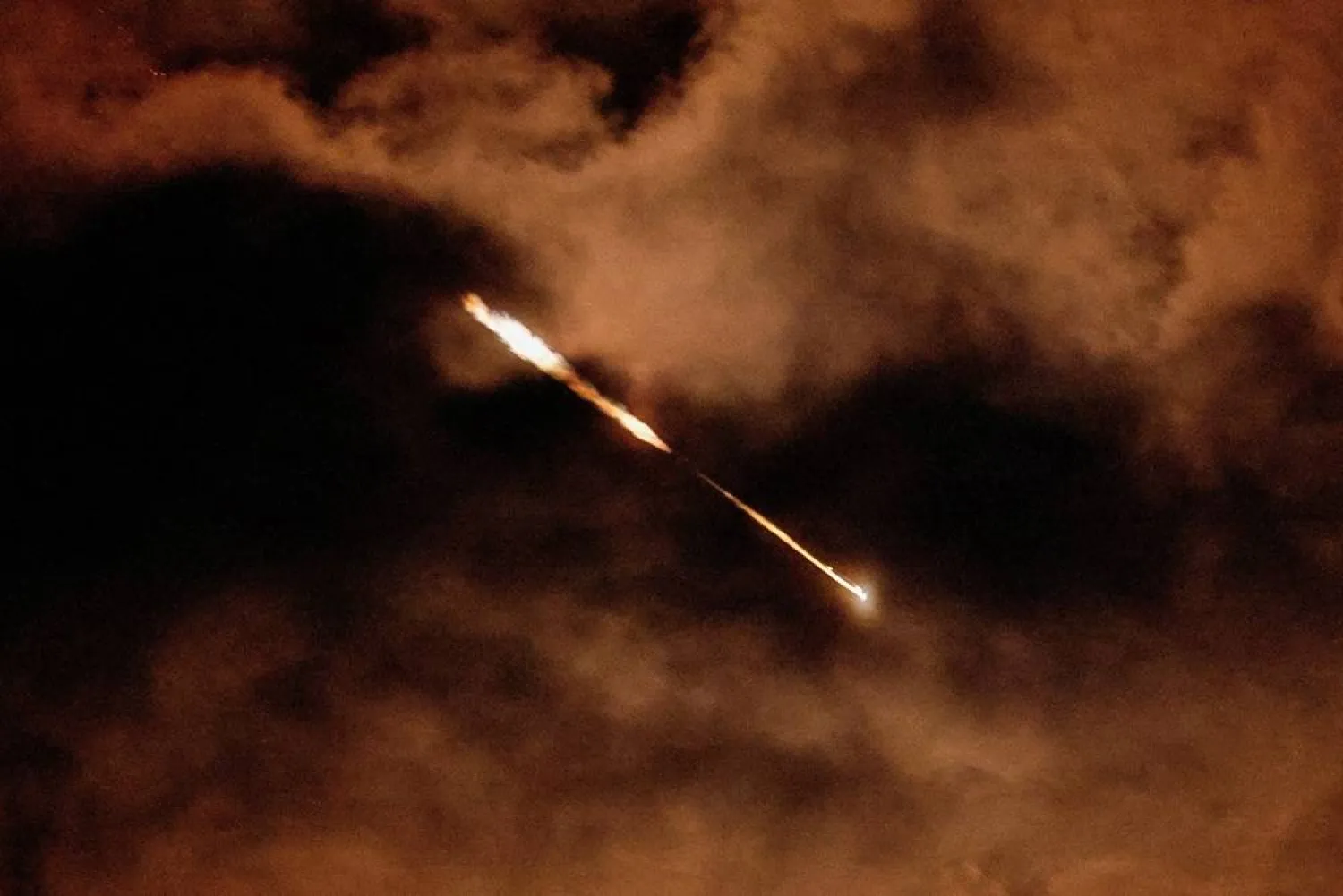
The growing Middle East regional war risk is closely tied to increased military activity in northern Israel and southern Lebanon. Israeli forces have reportedly carried out coordinated strikes targeting Hezbollah positions believed to be responsible for recent attacks.
Key developments include:
- Multiple airstrikes on strategic targets
- Intensified artillery exchanges
- Increased surveillance and intelligence operations
- Rapid-response military deployments
A military spokesperson stated:
“Operations are ongoing to neutralize threats and ensure national security under evolving conditions.”
Hezbollah Presence and Strategic Targeting
The Middle East regional war risk continues to rise as Hezbollah maintains an active presence in contested areas. The reported deaths of 40 fighters are linked to operations targeting key infrastructure and operational networks.
Targets reportedly included:
- Weapons storage facilities
- Rocket launch sites
- Command and communication centers
- Observation and surveillance posts
Analysts suggest these actions are part of a broader strategy to weaken operational capabilities and reduce immediate threats.
Verification Challenges and Conflicting Claims
Despite the significance of the report, the Middle East regional war risk narrative is complicated by limited independent verification. Access to conflict zones remains restricted, making it difficult to confirm casualty figures.
A regional analyst explained:
“In high-intensity conflict environments, casualty reports often vary and require careful verification.”
Hezbollah has not fully confirmed the reported losses, contributing to uncertainty around the exact scale of the impact.
Civilian Impact Raises Humanitarian Concerns
As the Middle East regional war risk increases, civilians living near the conflict zone face growing dangers. Communities on both sides of the border are experiencing disruptions and heightened anxiety.
Humanitarian concerns include:
- Displacement of residents
- Damage to homes and infrastructure
- Limited access to medical services
- Psychological stress from ongoing conflict
An aid worker noted:
“The risk to civilians grows with every escalation, particularly in densely populated areas.”
Regional Stability Under Pressure
The broader Middle East regional war risk is now a central concern for neighboring countries and global observers. Analysts warn that continued escalation could trigger a wider conflict involving additional actors.
Potential risks include:
- Expansion into a multi-front conflict
- Increased involvement of regional allies
- Escalation of cross-border attacks
- Greater geopolitical instability
A security expert stated:
“The current trajectory suggests a heightened risk of regional escalation if tensions are not contained.”
International Reactions and Diplomatic Efforts
Global attention is increasingly focused on the Middle East regional war risk, with calls for de-escalation growing louder. Several countries have urged restraint and renewed diplomatic engagement.
Recent developments include:
- Emergency diplomatic consultations
- Calls for ceasefire negotiations
- Appeals for humanitarian access
- Increased monitoring by international organizations
An international official said:
“Preventing further escalation is critical to maintaining regional and global stability.”
Military Strategy and Tactical Developments
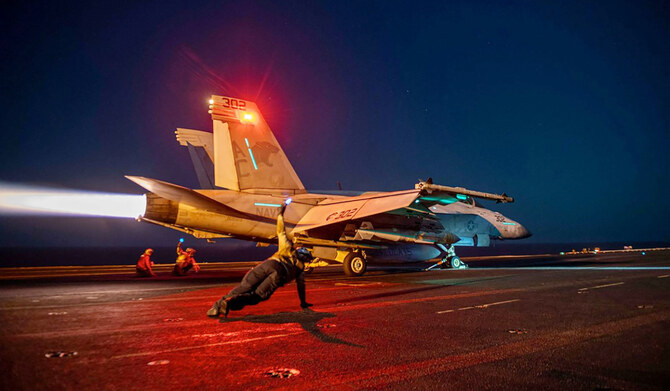
The operations contributing to the Middle East regional war risk reflect evolving military strategies. Analysts point to increased precision and intelligence-driven targeting.
Observed trends:
- Use of advanced surveillance technology
- Rapid execution of coordinated strikes
- Focus on high-value targets
- Integration of real-time intelligence
These developments highlight the changing nature of modern conflict.
Information Warfare and Media Influence
The Middle East regional war risk is also being shaped by information warfare. Competing narratives and strategic messaging are influencing public perception and international response.
Key factors include:
- Official statements shaping narratives
- Media coverage impacting global opinion
- Disinformation campaigns
- Increased scrutiny of reported events
Experts emphasize the importance of accurate and balanced reporting.
What Comes Next? Growing Uncertainty
The future of the Middle East regional war risk remains uncertain as tensions continue to rise. Analysts outline several possible outcomes:
- Continued escalation of military operations
- Targeted retaliatory actions
- Diplomatic breakthroughs
- Temporary stabilization efforts
The situation remains fluid, with significant implications for regional and global security.
Key Takeaways
- Middle East regional war risk is rising after reported killings
- Israeli military claims 40 Hezbollah fighters killed in 24 hours
- Border tensions are intensifying rapidly
- Civilian and humanitarian concerns are increasing
- Verification of casualty figures remains limited
- Global calls for de-escalation are growing