

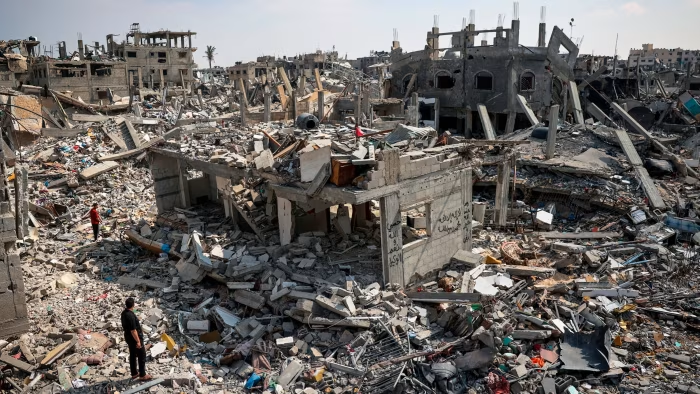
Iran January 2026 – parliament news Highlights that Middle East stability remains under sustained pressure as political tension security risks and economic uncertainty intersect across the region. Legislative debates in Iran alongside diplomatic maneuvering involving Israel and neighboring states underline how fragile the regional balance has become. While open warfare is uneven the accumulation of unresolved disputes has created an environment where minor developments can generate far reaching consequences.
The Middle East continues to be shaped by overlapping political identities strategic rivalries and external influence. What distinguishes the current phase is the simultaneous strain on governance economic systems and social cohesion placing unprecedented pressure on regional leadership.
Parliamentary politics and governance pressures
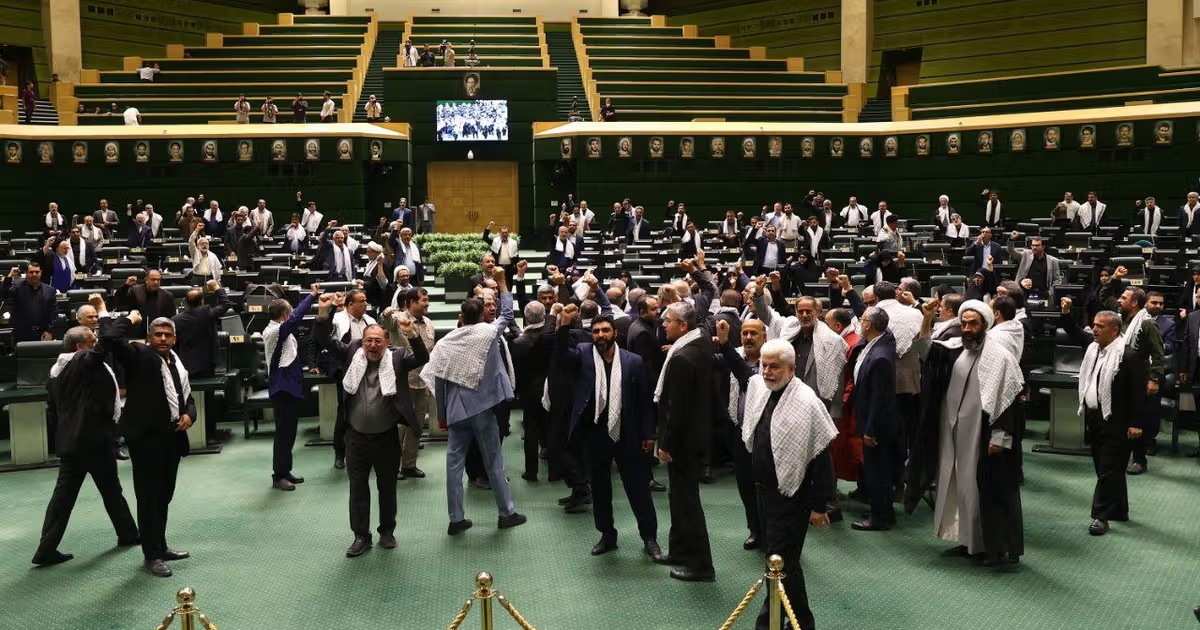
Parliamentary institutions across the Middle East are under rising scrutiny as public expectations grow. Legislatures have become focal points for debate on economic reform national security and foreign policy direction. Lawmakers face pressure to respond to public frustration while navigating entrenched power structures.
In Iran parliamentary discussions center on sanctions management fiscal resilience and defense priorities. Similar debates unfold elsewhere reflecting shared structural challenges. Analysts argue that Middle East stability increasingly depends on whether parliaments can act as channels for compromise rather than symbols of division.
When governance mechanisms fail to address public concerns frustration often moves beyond institutions. This pattern has historically intensified unrest placing further strain on security systems and executive authority.
Conflict zones and unresolved disputes
Active conflict continues to shape the strategic landscape. Gaza border tensions and proxy confrontations remain persistent sources of risk. Temporary ceasefires reduce immediate violence but rarely resolve underlying political disputes.
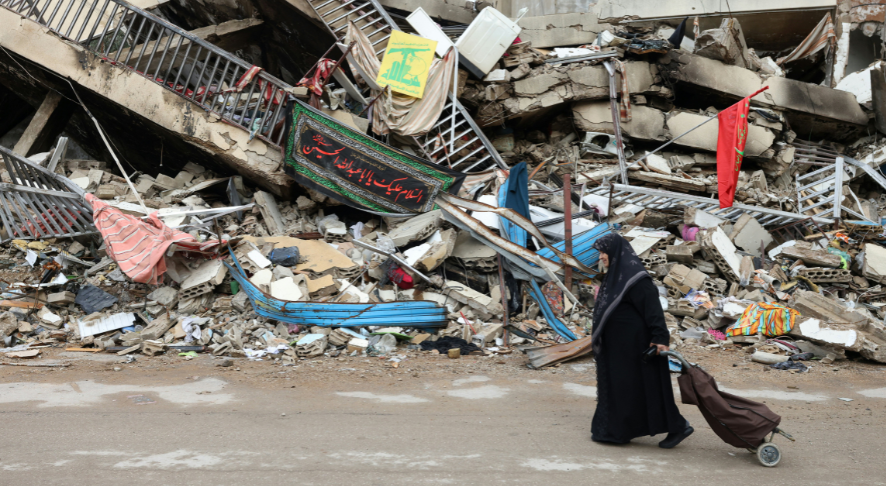
These conflicts erode Middle East stability by draining resources deepening humanitarian crises and increasing the likelihood of escalation. Displacement infrastructure damage and long term social trauma weaken prospects for sustainable peace.
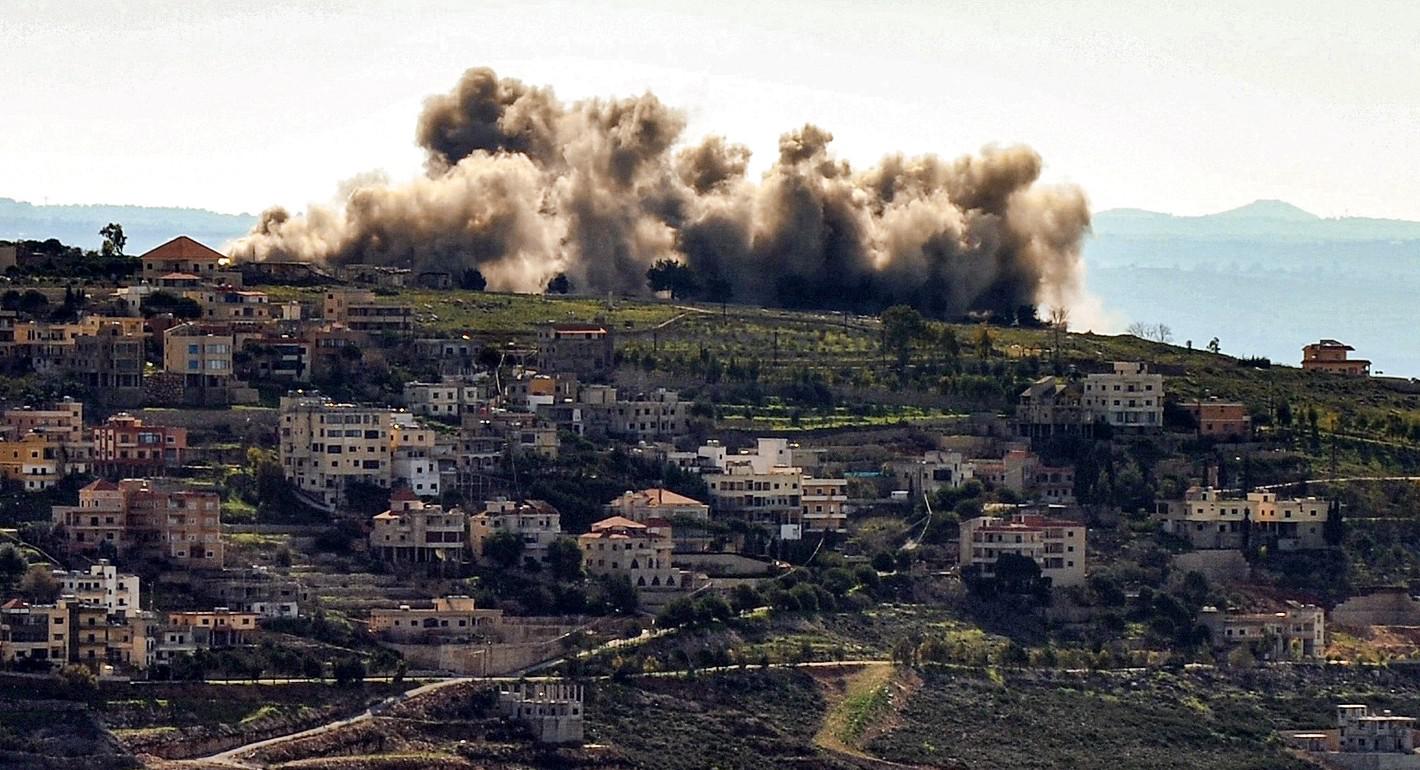
The presence of multiple armed actors in close proximity raises the risk of miscalculation. In such an environment small incidents can escalate rapidly creating regional shockwaves.
Economic strain and structural vulnerability
Economic pressure is a defining feature of the regional outlook. Inflation currency volatility and uneven growth reduce purchasing power and strain public finances. Youth unemployment remains high contributing to social tension.
Energy exporters face revenue uncertainty while import dependent states struggle with rising costs. In both cases fiscal space is limited. Policymakers increasingly acknowledge that Middle East stability cannot be achieved without economic reform and diversification.
Economic hardship undermines political legitimacy. Even in the absence of large scale unrest declining trust weakens societal resilience increasing vulnerability to future shocks.
Security forces and deterrence strategies
Security institutions remain central to maintaining order. Military readiness intelligence coordination and internal security operations have intensified in response to regional threats. Naval patrols and air defense measures reflect concern over spillover risks.
While deterrence is essential analysts warn that Middle East stability depends equally on restraint. Excessive militarization increases the chance of accidental confrontation and deepens mistrust between rivals.
Security forces also manage domestic unrest linked to economic and political grievances. Overreliance on coercive measures risks entrenching resentment and prolonging instability.
Diplomatic efforts and mediation channels
Diplomacy has gained urgency as regional actors seek to manage escalation risks. Bilateral talks regional summits and informal mediation aim to contain crises and maintain communication.
One senior regional diplomat said,
“Enduring calm depends on dialogue that addresses security and economic concerns together.”
This reflects a growing recognition that Middle East stability requires comprehensive engagement rather than reactive crisis management.
Progress remains uneven due to trust deficits and competing interests. Nevertheless even limited diplomatic engagement can reduce miscalculation and create space for longer term solutions.
Energy security and global markets
The Middle East’s role in global energy supply amplifies the impact of regional developments. Production transport routes and infrastructure remain sensitive to political and security disruption.
In this context Middle East stability carries global economic significance. Price volatility affects inflation trade balances and investment confidence worldwide making regional developments a priority for international policymakers.
Energy considerations also influence regional policy choices shaping alliances investment strategies and diplomatic priorities.
Public opinion social change and resilience
Public sentiment reflects fatigue resilience and aspiration. Citizens across the region increasingly demand accountability opportunity and responsive governance. Digital platforms amplify voices and accelerate information flow.
Sustainable Middle East stability depends on constructive engagement with evolving public expectations. Ignoring social and economic concerns risks gradual erosion of trust even in periods of apparent calm.
Youth populations are particularly influential shaping future political and economic trajectories.
External powers and strategic recalibration
Global powers continue to recalibrate their regional engagement emphasizing risk management and selective involvement. This shift reflects recognition that prolonged instability undermines global security and economic interests.
Policy planners stress that Middle East stability cannot be imposed externally. Support for regional dialogue economic development and institutional capacity is viewed as more sustainable than unilateral intervention.
Balancing partnerships without intensifying rivalries remains a central challenge.
Environmental stress and resource competition
Environmental pressures including water scarcity and climate stress increasingly affect domestic stability. These issues exacerbate economic hardship particularly in rural areas dependent on agriculture.
Over time environmental degradation undermines livelihoods fuels migration and intensifies social pressure. Addressing these challenges is increasingly important for Middle East stability though regional cooperation remains limited.
Media narratives and perception management
Media coverage shapes perceptions of risk. International narratives often emphasize conflict while underreporting cooperation. Within the region media outlets navigate political constraints and audience demand.
Accurate information contributes indirectly to Middle East stability by supporting informed decision making and accountability.
Prospects for reform and cooperation
Despite challenges opportunities for reform persist. Economic diversification trade initiatives and confidence building measures offer potential pathways toward reduced tension.
Incremental progress though slow can strengthen resilience over time. Shared interests in energy trade and environmental management provide incentives for dialogue.
Strategic outlook
The region faces intersecting pressures but also retains avenues for de escalation. Leadership choices will determine whether confrontation or cooperation defines the period ahead.
The future of Middle East stability will be shaped by governance reform economic management and sustained diplomacy.
A defining test for regional leadership
The current phase represents a defining test for regional leadership. Managing internal pressure while avoiding wider conflict requires credibility adaptability and vision. Decisions taken now will shape regional and global outcomes for years to come.