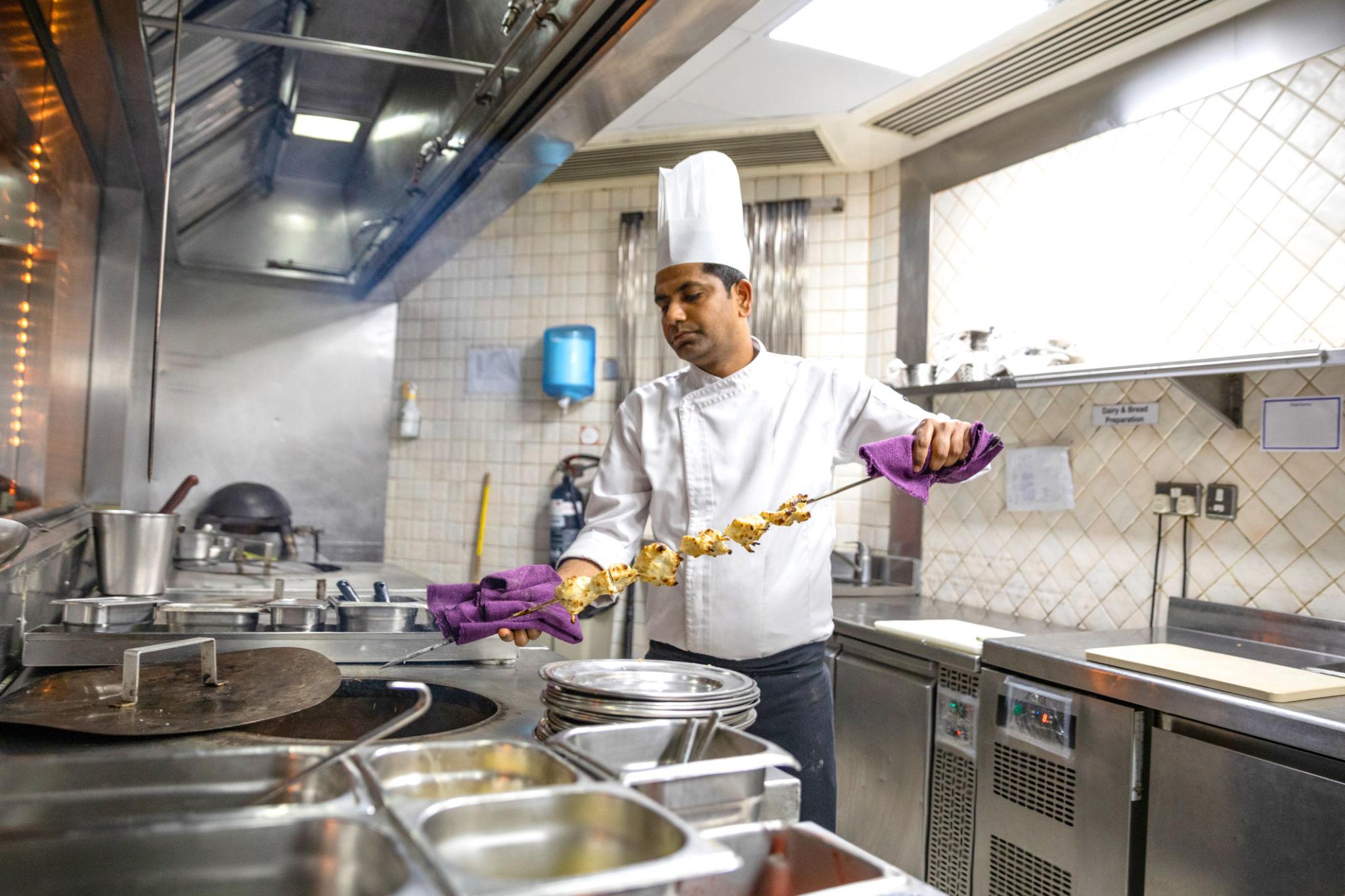
DUBAI, May 1, 2026 (Parliament Politics Magazine) Middle East trade impact food is becoming increasingly visible across Dubai’s restaurant industry as chefs reduce menu offerings due to supply chain disruptions linked to regional instability. Key imported ingredients such as tomatillos and scallops are becoming difficult to source, forcing restaurants to adapt quickly.
The growing influence of Middle East trade impact food highlights how geopolitical tensions can directly affect everyday consumer experiences. Dubai, known for its diverse global cuisine, relies heavily on imported ingredients, making it particularly vulnerable to disruptions in international trade routes.
As logistics networks face delays and increased costs, restaurant operators are being pushed to rethink sourcing strategies and menu design.
Key Drivers Behind Food Supply Disruptions
- Primary Issue: Disruptions in regional trade routes
- Key Ingredients Affected: Tomatillos, scallops, imported produce
- Cost Impact: Rising prices due to logistics and fuel costs
- Restaurant Response: Menu reductions and substitutions
- Supply Chain Status: Delays and limited availability
- Market Effect: Higher prices and reduced menu diversity
Supply chain disruptions reshape restaurant operations
The increasing reality of Middle East trade impact food is being driven by disruptions in global shipping routes that pass through or near conflict-sensitive regions. These disruptions are causing delays in the delivery of essential food products.
Dubai’s reliance on imports means that even minor disruptions can have significant consequences. Shipping delays, rerouted cargo, and increased freight costs are all contributing to the scarcity of certain ingredients.
A Dubai-based chef stated:
“We’re seeing delays we haven’t experienced before. Ingredients that were once reliable are now uncertain, forcing us to rethink our menus almost weekly.”
This shift is requiring restaurants to operate with greater flexibility and resilience.
Rising costs force menu reductions and pricing adjustments
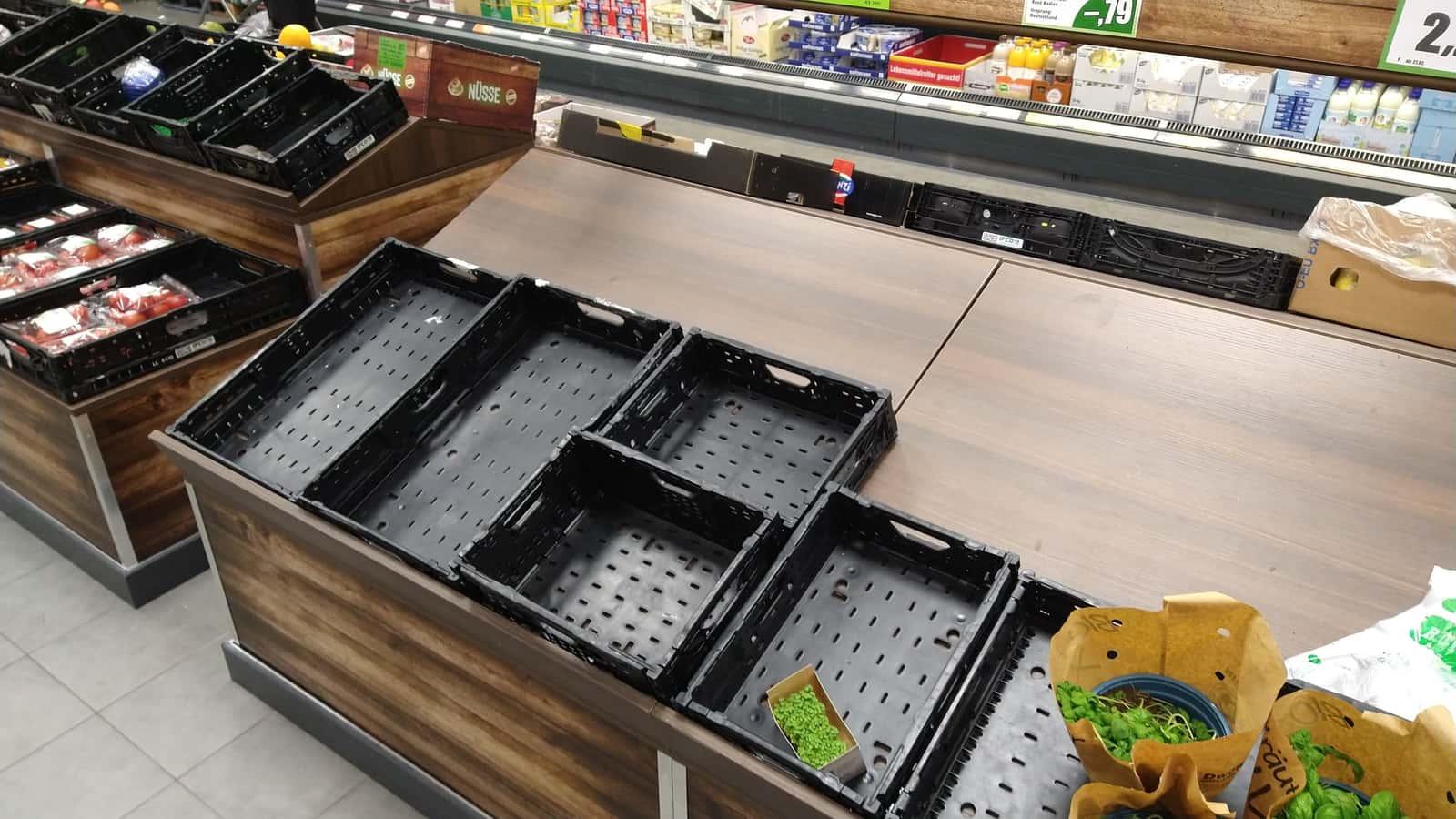
As Middle East trade impact food continues to influence supply chains, rising costs are becoming a major concern for restaurant operators. Higher transportation expenses, combined with limited supply, are driving up the price of key ingredients.
Restaurants are responding by:
- Reducing menu items to focus on available ingredients
- Substituting imported products with local alternatives
- Adjusting menu pricing to reflect increased costs
These changes are aimed at maintaining profitability while minimizing disruption to customer experience.
Global cuisine offerings face new challenges
Dubai’s culinary identity is built on its ability to offer authentic international cuisine. However, Middle East trade impact food is making it increasingly difficult for restaurants to maintain traditional recipes.
Latin American dishes that rely on tomatillos and seafood menus dependent on scallops are among the most affected. Chefs are being forced to innovate, often altering recipes while striving to preserve flavor and authenticity.
An industry expert noted:
“Dubai’s food scene is incredibly dynamic, but it’s also highly dependent on global supply chains. Any disruption has immediate consequences.”
This situation is testing the adaptability of the city’s restaurant industry.
Regional tensions disrupt global trade routes
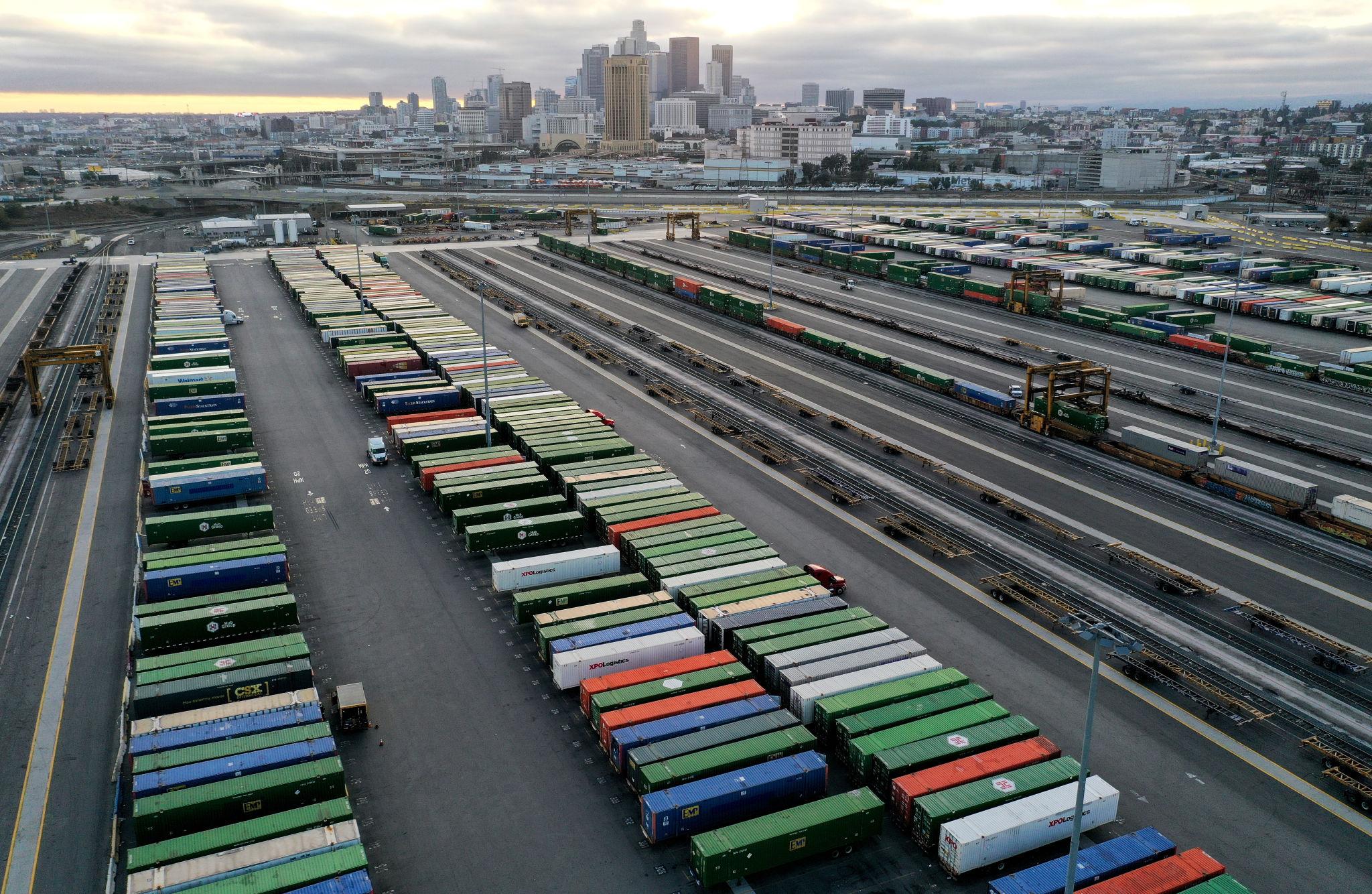
The broader implications of Middle East trade impact food extend beyond the restaurant sector. Regional tensions have led to increased risk in key shipping corridors, affecting not only food supplies but a wide range of goods.
Shipping companies are facing:
- Increased insurance costs
- Longer transit times due to rerouting
- Operational delays caused by heightened security measures
These challenges are contributing to the overall instability of global trade networks.
A logistics analyst explained:
“Trade flows are highly sensitive to geopolitical risk. When routes become uncertain, the effects ripple across industries, including food.”
Restaurants adapt through innovation and sourcing strategies
Despite the challenges posed by Middle East trade impact food, Dubai’s restaurant industry is demonstrating resilience through innovation.
Many establishments are:
- Expanding relationships with local suppliers
- Introducing seasonal and rotating menus
- Experimenting with alternative ingredients
A restaurant owner commented:
“We’ve had to become more creative than ever. It’s not just about maintaining quality—it’s about surviving in a changing environment.”
These strategies are helping businesses navigate uncertainty while maintaining customer satisfaction.
Historical perspective on trade disruptions and food supply
Past global disruptions and their impact on food industries
The current Middle East trade impact food situation can be better understood by examining past global disruptions. Events such as economic crises, pandemics, and regional conflicts have historically affected food supply chains.
In each case, the industry has adapted through diversification, innovation, and improved logistics. While the current challenges are significant, they are part of a broader pattern of global trade volatility.
Understanding this context provides insight into how the industry may evolve moving forward.
Consumer response to changing menus and prices
Consumers in Dubai are beginning to notice the effects of Middle East trade impact food, particularly in the form of smaller menus and higher prices.
Despite these changes, many diners remain supportive, recognizing the challenges faced by restaurants. The willingness of consumers to adapt has helped maintain stability in the sector.
However, prolonged disruptions could lead to shifts in dining habits and expectations.
Future outlook for Dubai’s food industry
Looking ahead, the trajectory of Middle East trade impact food will depend on several key factors:
- Stability in regional trade routes
- Availability of alternative supply sources
- Changes in global logistics and transportation
Industry experts believe that while short-term challenges will persist, Dubai’s restaurant sector is well-positioned to adapt and recover over time.