

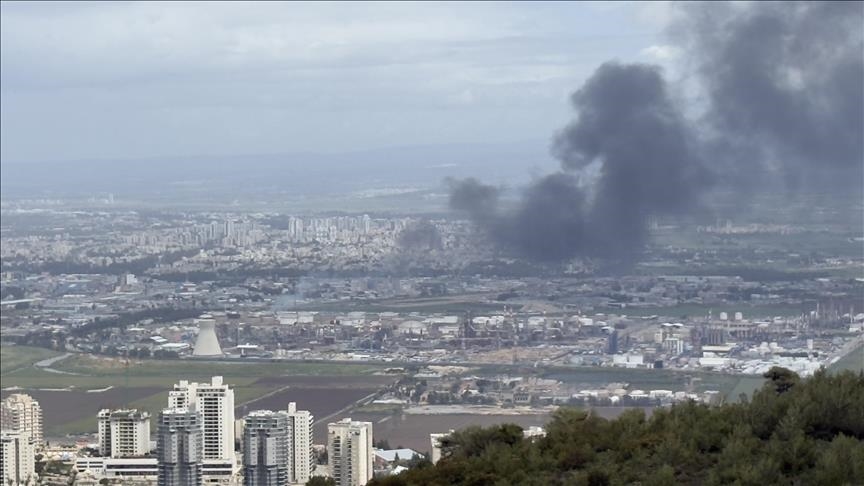
Emergency services were overwhelmed by the volume of casualties, treating injuries ranging from minor wounds to more serious trauma. Officials emphasized that the sharp rise in hospitalisations reflects the growing intensity of the conflict.
The situation highlights a concerning shift toward sustained and large-scale attacks, increasing risks for civilians.
Emergency Systems Stretched Under Pressure
The latest Middle East war escalation developments show that hospitals and emergency responders are operating under extreme pressure. Medical teams worked continuously to manage the influx of patients, while additional staff were deployed to handle the surge.
“We are dealing with a significant increase in casualties within a short period,” a medical official stated, underscoring the strain on healthcare systems.
Authorities have activated emergency protocols, ensuring that resources are allocated efficiently to respond to potential further incidents.
Sustained Attacks Drive Rising Casualties
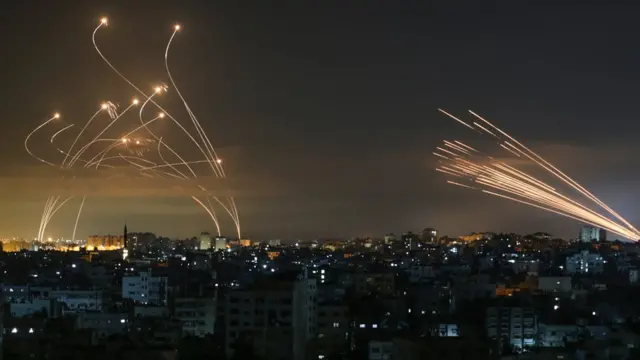
Middle East war escalation is being fueled by ongoing attacks involving Iran-linked forces and Hezbollah. Analysts suggest that the coordinated nature of these strikes is contributing to the rising number of injuries.
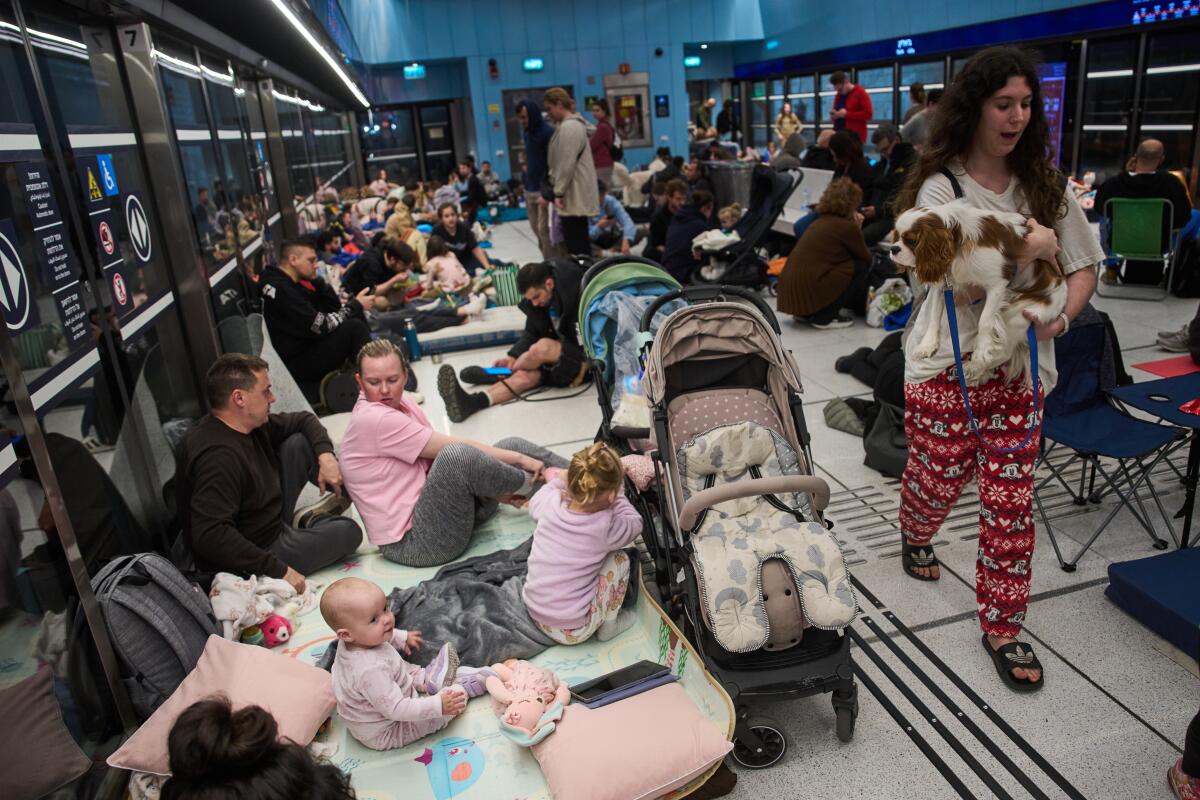
Repeated alerts have forced residents to seek shelter multiple times throughout the day, highlighting the persistent threat facing communities in northern Israel.
The involvement of multiple actors increases the complexity of the situation, raising concerns about the potential for broader conflict.
Civilian Life Disrupted Across the Region
For residents, Middle East war escalation is not just a headline—it is a daily reality. Communities in northern Israel are experiencing significant disruptions as they adapt to ongoing threats.
Schools have adjusted operations, businesses are functioning under restrictions, and families are relying heavily on shelters. The constant state of alert has created an atmosphere of uncertainty and stress.
One resident described the impact:
“You can’t plan your day anymore. Everything revolves around the next siren.”
The psychological toll of prolonged exposure to danger is becoming a growing concern alongside physical injuries.
Strategic and Military Implications
Middle East war escalation carries significant implications for military strategy. Israeli defense forces are likely evaluating both defensive and offensive options in response to continued attacks.
While retaliation remains a possibility, leaders must carefully consider the risks of further escalation. Even limited responses can trigger wider confrontations in an already volatile environment.
The current situation underscores the delicate balance between maintaining security and avoiding a broader conflict.
Regional and Global Concerns Grow
Middle East war escalation is drawing attention from global leaders, who are increasingly concerned about the potential for wider instability. The involvement of multiple actors raises the risk of the conflict expanding beyond current boundaries.
Energy markets are reacting to the uncertainty, while diplomatic efforts continue in an attempt to reduce tensions. However, progress remains uncertain as both sides maintain firm positions.
The global implications of the conflict extend beyond the region, affecting economic stability and international relations.
Information Flow and Public Awareness
As Middle East war escalation continues, the rapid flow of information plays a critical role in shaping public perception. Real-time updates provide valuable insights but also present challenges in verifying accuracy.
Authorities are urging the public to rely on official sources for information, as misinformation can spread quickly during times of crisis.
Clear communication remains essential to ensuring safety and maintaining trust.
What Comes Next?
The future of Middle East war escalation remains uncertain, with several key questions shaping the outlook:
- Will the number of casualties continue to rise?
- How will military forces respond to sustained attacks?
- Could the conflict expand into a broader regional war?
These uncertainties highlight the fragile nature of the current situation.
A Region Facing Rising Risks
Middle East war escalation has reached a critical point, with 133 people hospitalised in just 24 hours due to ongoing attacks. The scale of injuries reflects the intensity of the current situation and the challenges faced by emergency services.
Civilians are experiencing significant disruptions, while military and political leaders navigate complex decisions. The involvement of multiple actors adds to the uncertainty and risk of broader conflict.
As events continue to unfold, the coming days will be crucial in determining whether tensions can be contained or if the situation will escalate further. For now, Middle East war escalation highlights a region on edge, facing increasing uncertainty and risk.
