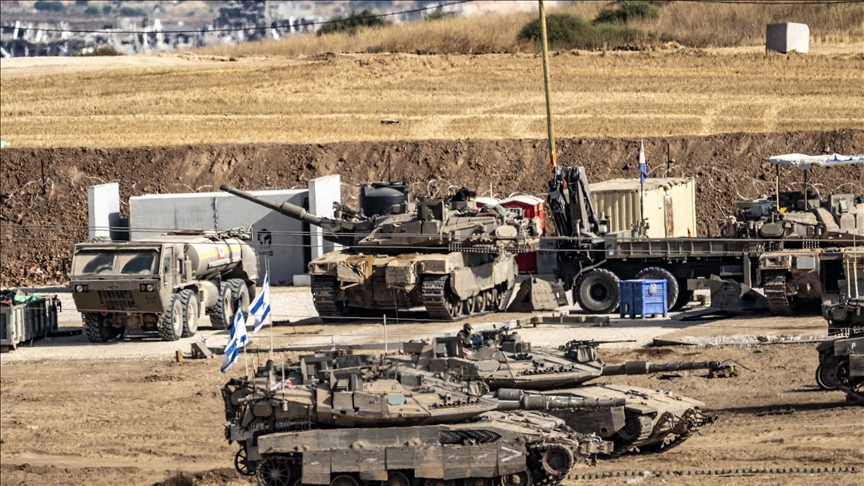
Southern Lebanon, April 05, 2026 (Parliament Politics Magazine) Middle East geopolitical risk is escalating following claims by the Israeli military that approximately 90 Hezbollah fighters were killed during operations in southern Lebanon. The announcement, which remains unverified by independent sources, highlights increasing volatility along one of the region’s most sensitive frontlines.
The development comes amid ongoing cross-border tensions, raising concerns among analysts and global observers about the potential for a broader regional conflict.
Israeli Military Reports Significant Operation
According to official statements, Israeli forces conducted targeted operations against Hezbollah positions in southern Lebanon.
The reported outcome—Middle East geopolitical risk rising alongside claims of 90 Hezbollah fighters killed—marks a notable escalation in military activity.
Israeli officials stated that the operation focused on:
- Known militant strongholds
- Weapons storage and logistical sites
- Strategic border-adjacent locations
A military spokesperson said:
“These operations are necessary to address immediate threats and maintain national security.”
The statement reflects Israel’s continued strategy of proactive defense against perceived threats.
Hezbollah Response Remains Unclear
Despite the Israeli claims, Hezbollah has not confirmed the reported number of casualties.
This lack of confirmation contributes to uncertainty surrounding the situation and adds complexity to assessing the true scale of the operation.
Reports tied to Middle East geopolitical risk often involve conflicting narratives, making verification difficult in active conflict zones.
Experts caution that:
- Casualty figures may vary significantly
- Information is often influenced by strategic messaging
- Independent verification remains limited
Escalation Along a Volatile Border
Southern Lebanon has long been a focal point for tensions between Israel and Hezbollah, with frequent exchanges and military activity.
The latest claims further amplify Middle East geopolitical risk, as ongoing clashes increase the likelihood of unintended escalation.
Security analysts warn that:
- Continued hostilities could expand beyond the immediate area
- Civilian populations may face heightened danger
- Diplomatic efforts could be undermined
A regional expert noted:
“This level of activity significantly raises the stakes and increases the chance of a wider confrontation.”
Strategic Importance of the Region
The southern Lebanon region holds critical strategic value due to its proximity to Israel and its role as a base for Hezbollah operations.
The reported increase in Middle East geopolitical risk reflects the broader implications of military activity in this area.
Key factors include:
- Entrenched militant presence
- Geographic complexity
- Historical significance in past conflicts
If confirmed, the scale of the reported casualties could impact Hezbollah’s operational dynamics in the near term.
International Community Watches Closely
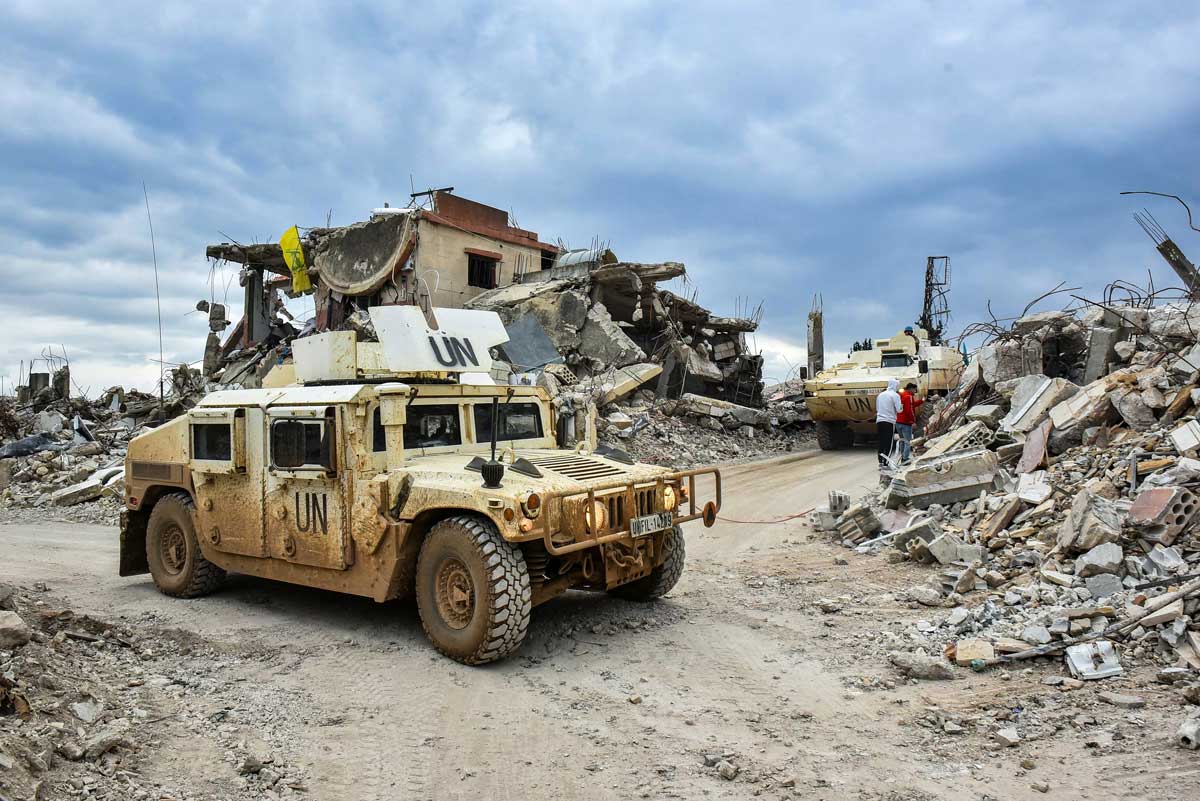
Global leaders and international organizations are closely monitoring the situation, urging restraint from all parties.
The rise in Middle East geopolitical risk has prompted renewed calls for:
- De-escalation and dialogue
- Protection of civilian populations
- Diplomatic engagement
Several governments have emphasized that sustained conflict could have far-reaching consequences beyond the region.
Military Messaging and Strategic Impact
The Israeli military’s announcement may serve multiple purposes beyond reporting battlefield outcomes.
By highlighting the number of casualties, the statement could aim to:
- Demonstrate operational effectiveness
- Deter further aggression
- Shape regional and global perceptions
At the same time, such messaging can contribute to heightened Middle East geopolitical risk by influencing responses from opposing groups.
Humanitarian Concerns Persist
Amid the focus on military developments, the humanitarian situation remains a key concern.
Ongoing conflict in southern Lebanon affects:
- Local communities and infrastructure
- Access to essential services
- Displacement risks
The broader context of Middle East geopolitical risk underscores the importance of addressing both security and humanitarian dimensions.
Risk of Broader Regional Conflict
The latest developments have intensified concerns about the potential for wider conflict.
Analysts point to several contributing factors:
- Increased frequency of military engagements
- Limited communication between opposing sides
- Political and strategic pressures
The rise in Middle East geopolitical risk suggests that even localized incidents could have cascading effects across the region.
Rising Risks in a Fragile Environment
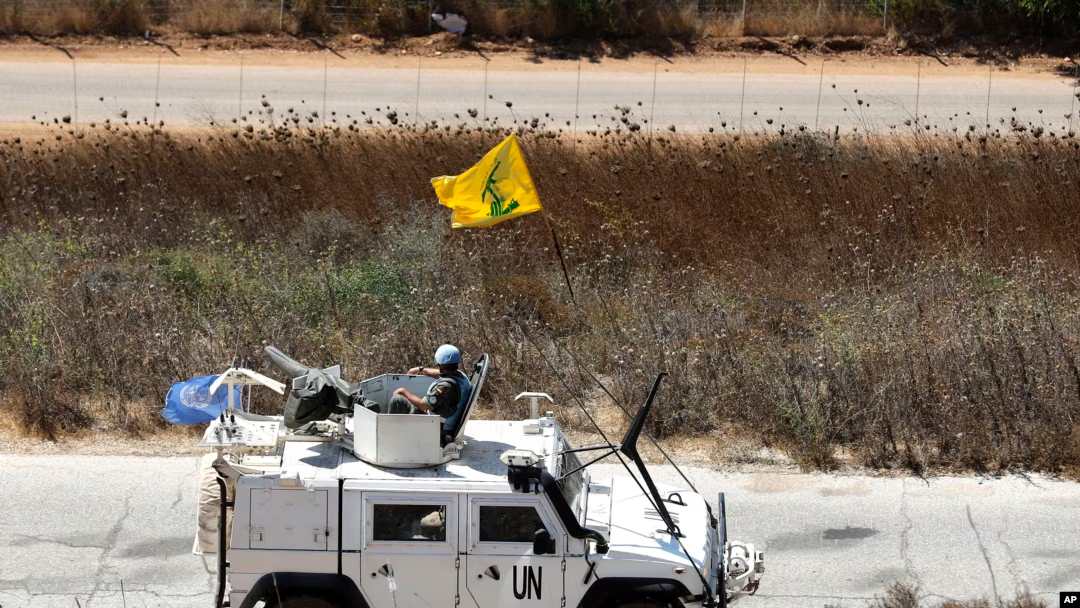
The Israeli military’s claim of 90 Hezbollah fighters killed highlights a significant escalation in southern Lebanon, contributing to growing Middle East geopolitical risk in 2026.
While the figures remain unverified, the development signals increased volatility and the potential for further conflict.
As the situation continues to evolve, the importance of diplomatic engagement and conflict management remains critical in preventing broader instability.