

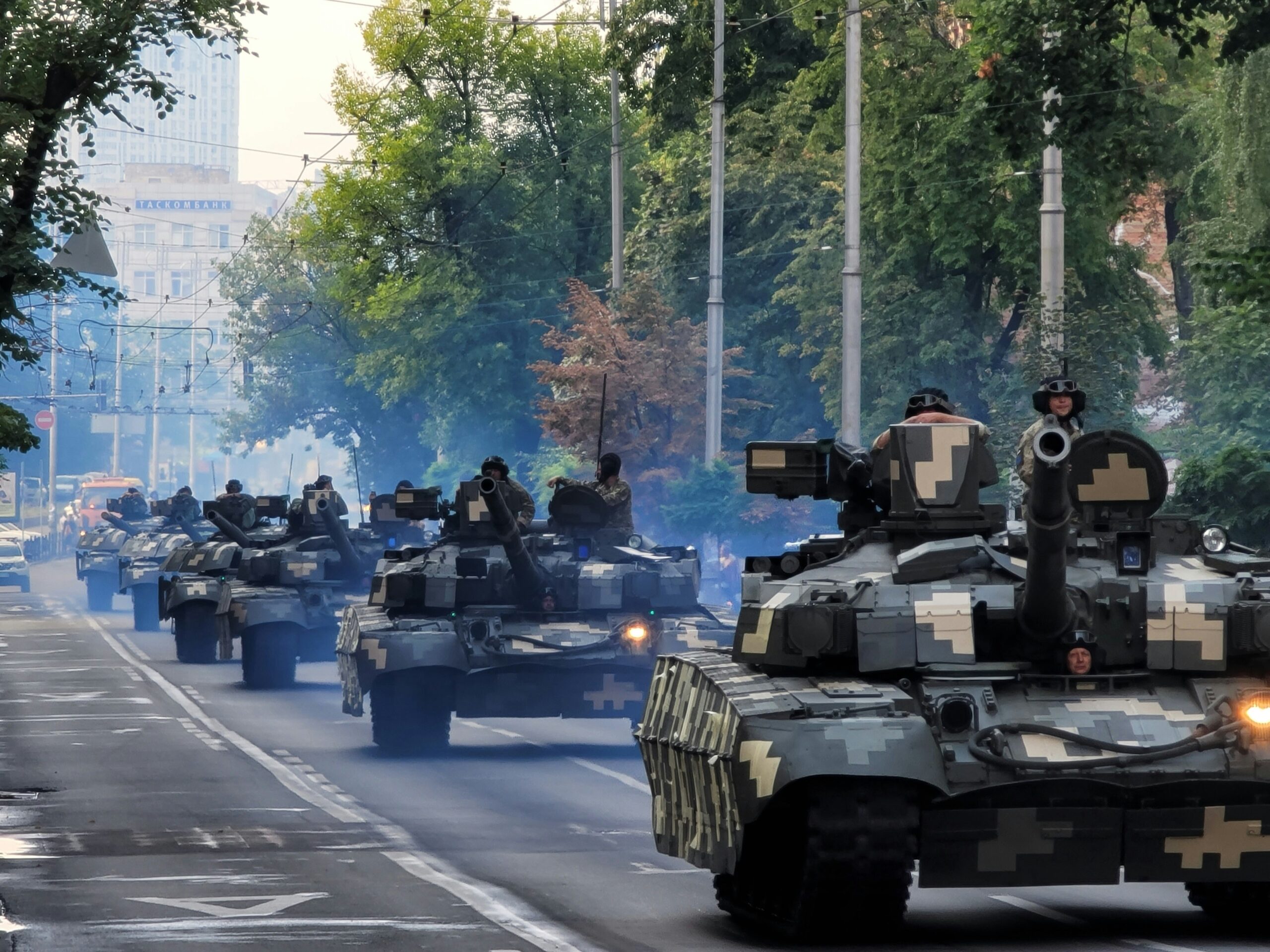
KYIV, 3 June (Parliament Politics Magazine) – NATO Secretary General Mark Rutte issued a blunt warning to young Russians, stating they face a high probability of death due to substandard equipment, minimal training, and staggering monthly casualty rates exceeding 30,000 soldiers.
Battlefield infrastructure failures
The infrastructure supporting these new frontline soldiers remains severely compromised. According to international intelligence assessments, the logistical networks managed by Moscow are failing to provide adequate protection. The alliance stated that the military equipment distributed to these frontline units is heavily substandard, leaving personnel highly vulnerable during active engagements.
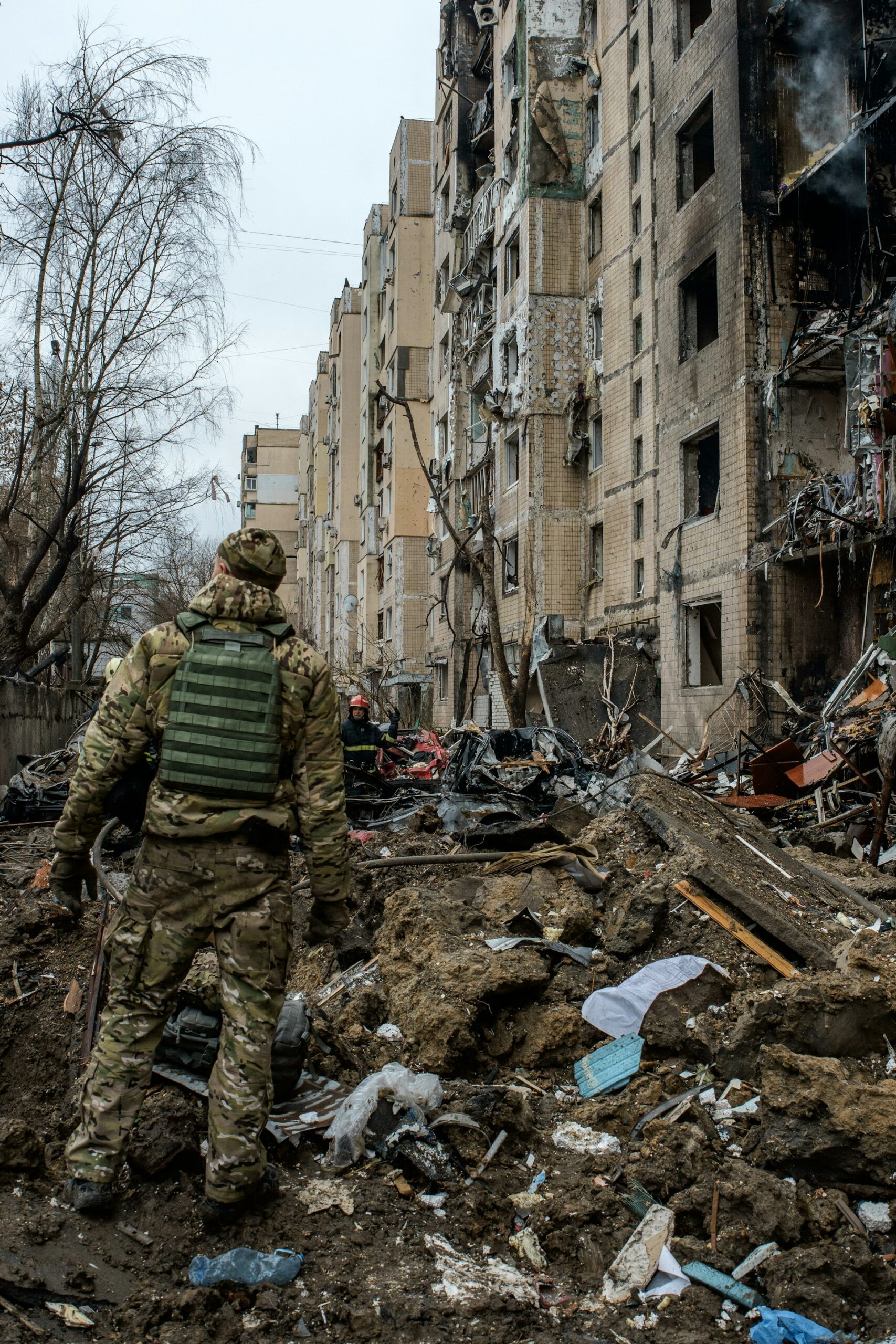
The alliance head further detailed the collapse of battlefield medical evacuations for wounded personnel. “And odds are, that if you are wounded, you will be left to suffer in the mud and die,” he said. This complete lack of structural support contributes to an exceptionally low survival rate among newly deployed units.
Unprecedented casualty metrics
To underscore the scale of the ongoing crisis, international officials provided specific statistical metrics regarding current operational losses. The alliance estimates that the invading forces are incurring staggering casualties on a daily basis. Official statements note that more than 30,000 soldiers are dying every single month in active combat zones.
This rate of attrition surpasses historical conflicts in the region by a significant margin. The current monthly death toll exceeds the total losses suffered by the Soviet Union over an entire decade in Afghanistan during the 1980s. The organization emphasizes that these numbers represent individual lives being sacrificed due to poor strategic planning, reinforcing the core security stance of NATO.
Strategic objectives in Ukraine
The high-level diplomatic summit coincided with the first-ever gathering of the allied council held directly in the capital. Accompanied by senior military officials and representatives from member states, the visit aimed to solidify long-term Western military support. The alliance remains committed to maintaining a cohesive front against ongoing territorial expansion.
The summit yielded concrete confirmations regarding the delivery of advanced air defense systems to protect civilian infrastructure. Allied nations committed additional capital to expand industrial defense manufacturing capacity across Europe and North America. These measures are designed to ensure that defensive interceptors continue arriving in the country on a weekly basis to counter ongoing missile and drone strikes monitored by NATO.
Long term security implications
The warning to civilian populations is part of a broader campaign to counter the financial incentives offered by the Kremlin. While state media promises high salaries and elevated social status to recruits, the physical reality involves extreme resource depletion and localized grid stress. European capitals are being urged to treat these developments as a sustained existential threat that requires increased national defense spending.
The alliance continues to monitor regional movements, warning that infrastructure dependencies could become permanent if Western nations do not bolster their own defensive capabilities. As the conflict intensifies, NATO continues to push for member states to exceed traditional spending baselines to ensure collective security across the continent. Without comprehensive regulatory interventions, the regional stability overseen by NATO will face long-term challenges.