Abuja, Nigeria, April 15, 2026 (Parliament Politics Magazine) Nigeria military airstrike operations are under intense scrutiny after authorities ordered a probe into a deadly strike in the insurgent-held area of Jilli. While launching the investigation, officials have defended the action, stating that the target was a known militant stronghold.
The incident has sparked widespread attention, highlighting the ongoing security challenges faced by Nigeria as it continues to combat insurgent groups across its northern regions.
Government Orders Probe into Airstrike
The announcement of a Nigeria military airstrike investigation comes amid reports of casualties following the strike. Authorities have pledged a full review to determine whether the operation adhered to military protocols and international standards.
Officials emphasized that the probe aims to ensure accountability while maintaining the effectiveness of ongoing security operations.
A government spokesperson stated:
“The Nigeria military airstrike investigation will establish the facts and ensure that all procedures were properly followed.”
Military Defends Targeting Decisions
Despite the probe, military officials have defended the Nigeria military airstrike, asserting that the operation was based on credible intelligence. According to defense sources, the targeted location in Jilli had been identified as a hub for insurgent activity.
The military maintains that such operations are necessary to disrupt militant networks and protect national security.
A defense analyst noted:
“Nigeria military airstrike missions are often conducted in high-risk environments where precision is critical but challenges remain.”
Insurgency Remains a Major Challenge
The focus on the Nigeria military airstrike highlights the broader security situation in northern Nigeria. Insurgent groups have been active in the region for years, carrying out attacks on civilians and security forces.
Efforts to combat these groups are complicated by factors such as:
- Remote and difficult terrain
- Limited intelligence capabilities
- Civilian populations in conflict zones
- Ongoing humanitarian concerns
These challenges make military operations both necessary and complex.
Concerns Over Civilian Casualties
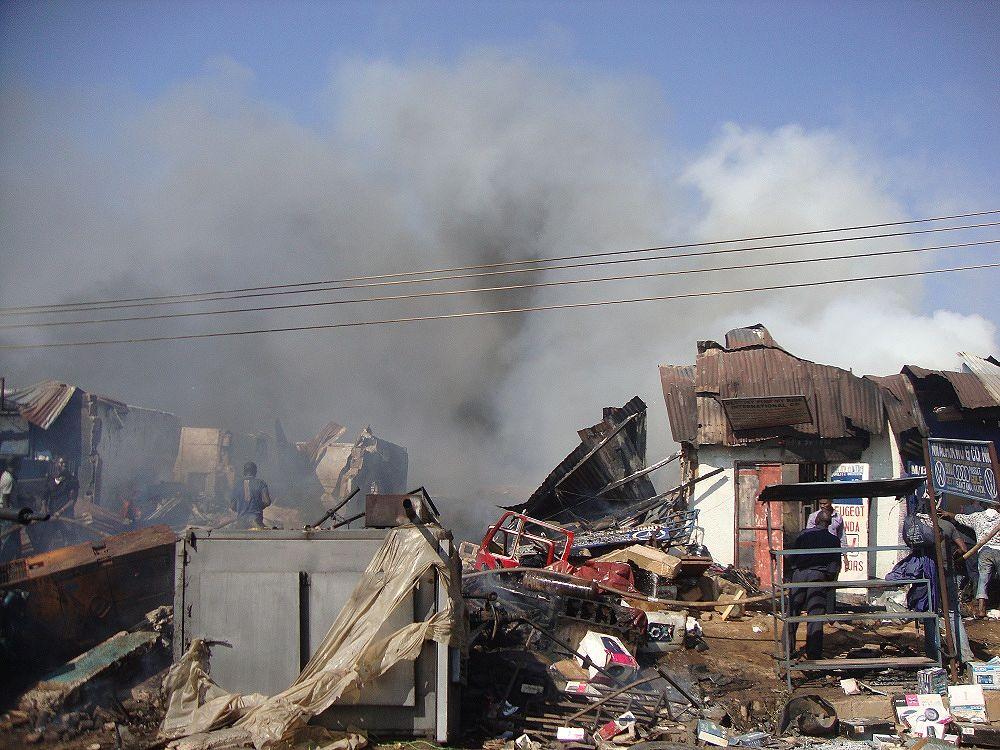
The Nigeria military airstrike has raised concerns about the potential impact on civilians. Local reports suggest that non-combatants may have been affected, prompting calls for a transparent investigation.
Human rights organizations have urged authorities to ensure that any findings are made public and that appropriate measures are taken to prevent future incidents.
A regional observer commented:
“Civilian protection must remain a priority in any Nigeria military airstrike operation.”
Balancing Security and Accountability
The situation surrounding the Nigeria military airstrike underscores the delicate balance between maintaining security and ensuring accountability. Military operations against insurgents often involve difficult decisions under uncertain conditions.
Authorities have reiterated their commitment to conducting operations responsibly while addressing security threats effectively.
International Reactions and Oversight
The developments related to the Nigeria military airstrike have drawn international attention. Global organizations and foreign governments are monitoring the situation, emphasizing the importance of transparency and adherence to international law.
The outcome of the investigation could influence Nigeria’s standing in the international community and its relationships with key partners.
Economic and Social Impact
Beyond immediate security concerns, the Nigeria military airstrike may have broader economic and social implications. Continued instability in affected regions can disrupt local economies and displace communities.
Addressing these challenges will require coordinated efforts that go beyond military action, including development initiatives and humanitarian support.
Future of Counterinsurgency Operations
The findings of the Nigeria military airstrike probe are expected to shape future security strategies. Lessons learned from the incident could lead to improvements in operational planning and execution.
Experts suggest that key areas for improvement include:
- Enhanced intelligence gathering
- Improved targeting accuracy
- Greater oversight and accountability
- Increased community engagement
Government Reaffirms Commitment to Security
Despite the controversy, officials have reaffirmed their commitment to combating insurgency and restoring stability. The Nigeria military airstrike investigation is seen as part of broader efforts to ensure responsible military conduct.
Authorities have urged the public to await the results of the probe, emphasizing the importance of verified information.

Nigeria Faces Tough Questions After Deadly Strike
The Nigeria military airstrike in Jilli has triggered a critical investigation as authorities seek to balance security operations with accountability. While officials defend the action as necessary against insurgents, concerns over civilian impact remain.
The outcome of the probe will be closely watched, as it could influence future military strategies and public trust in ongoing counterinsurgency efforts.