When people ask me ‘why should we care about Nigeria?’ my response is always: ‘how could we not?’
Fifteen years ago, I sat in a comfortable hotel room in Abuja and listened to a man tell me how his wife was brutally killed by a mob in northern Nigeria simply because she was a Christian. They burned her to death by pouring petrol on a tyre around her and setting it alight.
In the debate last week I affirmed my position as UK Special Envoy for Freedom of Religion or Belief that no-one should be persecuted for what they believe. That is my view and it is the Government’s view. Yet in Nigeria mosques are bombed, Christian families are ripped apart and humanists are imprisoned as part of a persistent persecution problem across the northern and middle-belt regions of Africa’s most populous country.
Climate change and other social influences are drivers of this conflict as well. But there is no escaping the fact that the conflict in Nigeria has religious and extremist dimensions. The existence of these dimensions is preventing the unified, multi-faith and common good society that we all want to see Nigeria become.
Nigeria has two interlinked freedom of religion or belief (FoRB) problems: unsafe communities and unjust laws. The safety issue is more well-known: Open Doors, an advocacy NGO, estimates that 3000 Christians were killed in Nigeria last year for their faith (more than everywhere else on the planet combined).
Christians and Muslims – often from the Hausa people – are routinely attacked, kidnapped, and bombed, frequently at their places of worship. This entrenched insecurity prompted the American President’s Christmas Day strikes on the Lakurawa militants in Sokoto state and his administration to rank Nigeria as a ‘Country of Particular Concern’.
However, legal discrimination is arguably the bigger issue. Colonial-era ‘divide and rule’ tactics entrenched Muslim political elites across the north of Nigeria, and in the modern day twelve states have now enacted shari’a penal codes which discriminate against non-Muslims and make use of apostasy and blasphemy laws.
Those who do not toe the line – including moderate Muslims – face difficulties in all areas of life. And winks and nods from public officials allow mob rule or religious rioting to flourish and make community reconciliation extremely challenging.
The UK Government is working hard with our Nigerian friends to change the situation. The ‘SPRING’ inter-faith reconciliation programme has had early success helping 5000 internally displaced people return home in Nasarawa state. And UK-Nigerian defence cooperation means we can engage with the Nigerian military directly.
Nigeria is a booming, dynamic nation with immense promise. But its future flourishing can only be achieved by guaranteeing freedom for all its people, and doing that will require sustained global attention for years to come.
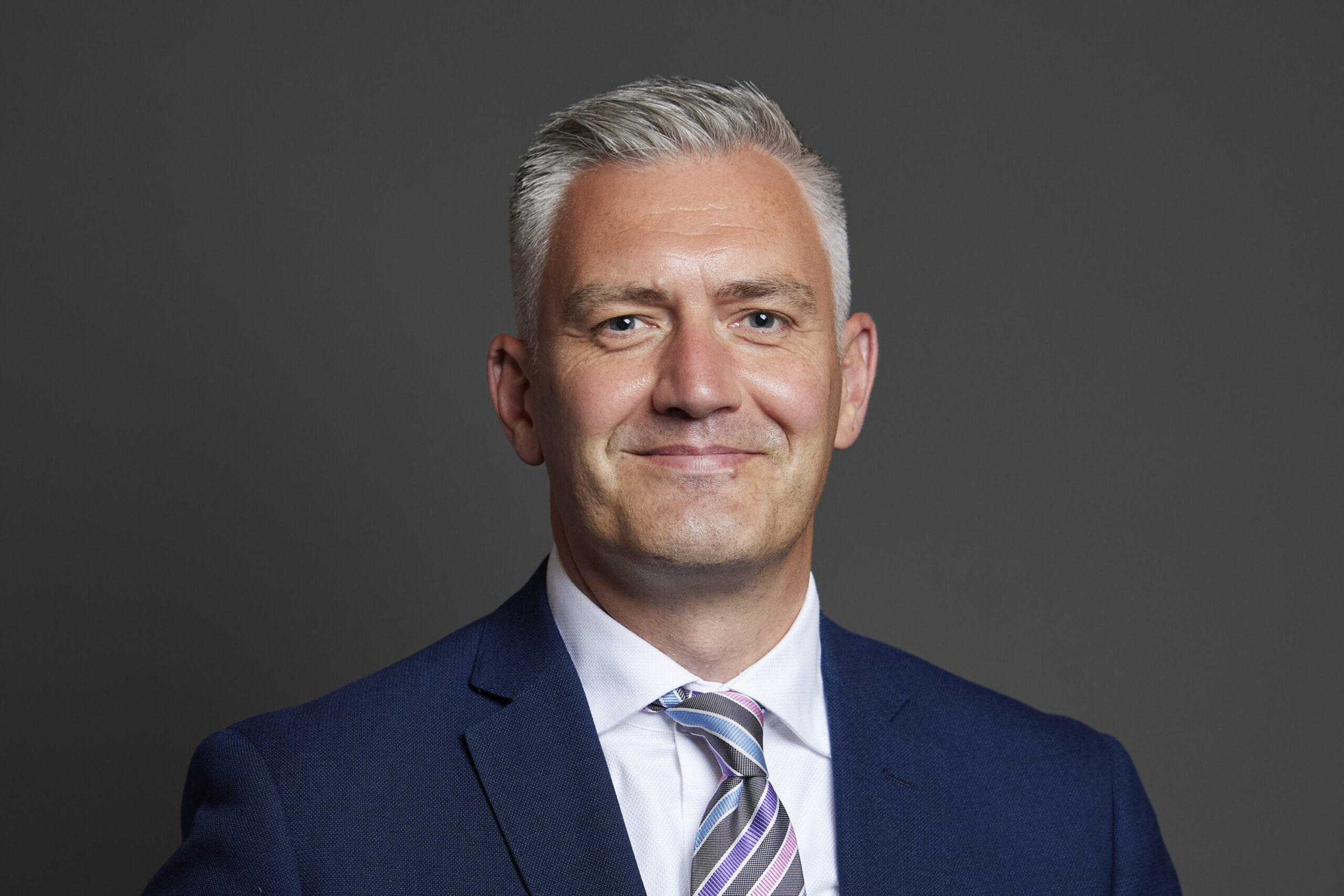
David Smith MP is the UK Special Envoy for Freedom of Religion or Belief
Nigeria’s great potential will only be achieved by ending sectarian violence and guaranteeing religious freedom