

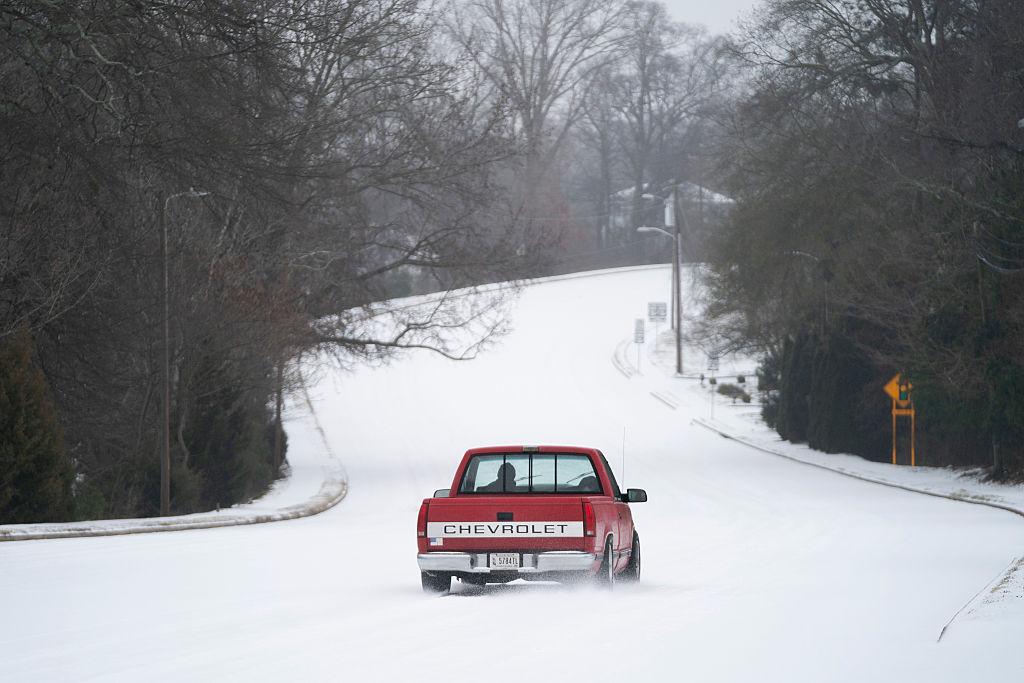
Raleigh, North Carolina, February 2, 2026: Parliament News noted widespread disruption across the southeastern United States as a powerful North Carolina snowstorm descended on the state, bringing heavy snowfall, freezing temperatures, and prolonged infrastructure strain. The weather system arrived late Tuesday night and intensified rapidly, affecting transportation, utilities, schools, and emergency services across both metropolitan and rural areas.
State authorities confirmed that snowfall totals exceeded seasonal norms in several regions, while ice accumulation created hazardous conditions well into the following days. Residents accustomed to mild winters faced rare scenes of snow-covered streets, immobilized vehicles, and shuttered businesses.
Weather System Develops Rapidly Over the Southeast
Meteorologists tracking the storm said a convergence of Arctic air moving south and moisture from the Atlantic Ocean created conditions favorable for significant snowfall. This alignment, while not unprecedented, occurs infrequently in the Carolinas.
Forecasters explained that temperature drops happened faster than expected, limiting preparation time for road treatment and utility reinforcement. As a result, the North Carolina snowstorm escalated from a weather advisory to a full-scale emergency within hours.
Statewide Transportation Disruption
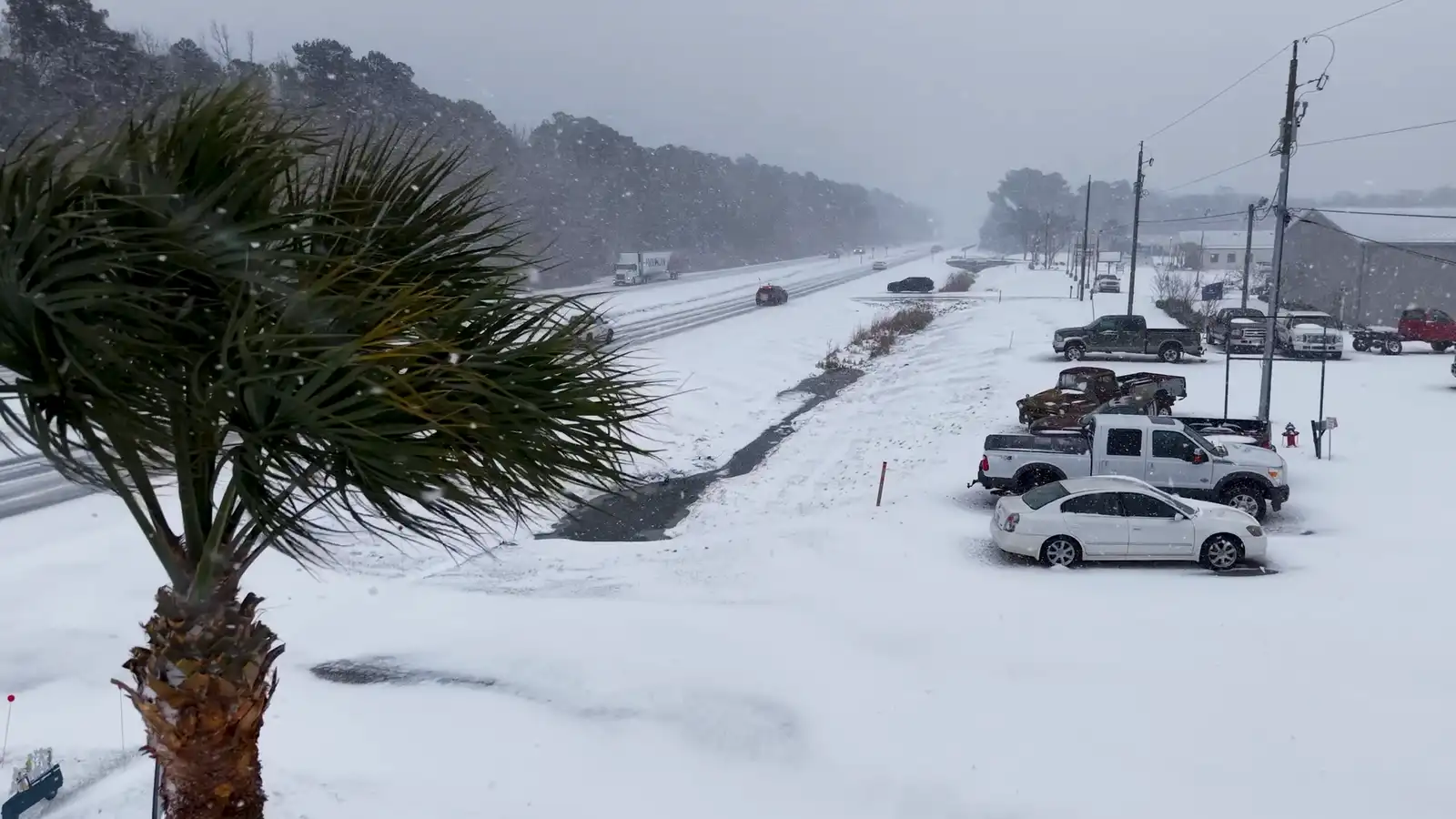
Major highways including Interstate corridors experienced closures as snow and ice reduced traction. Law enforcement agencies reported hundreds of accidents and abandoned vehicles during peak storm hours.
Airports in Raleigh, Charlotte, and Greensboro canceled or delayed flights as runways required continuous clearing. Rail services also operated on limited schedules, compounding travel challenges caused by the North Carolina snowstorm.
Electric Grid Under Pressure
Heavy snow clung to tree limbs and power lines, leading to outages across dozens of counties. Utility companies deployed repair crews but faced slow progress due to road conditions and ongoing snowfall.
Emergency officials said infrastructure designed for moderate winters struggled to withstand prolonged freezing temperatures. In several areas, residents went without electricity for extended periods during the North Carolina snowstorm, prompting the opening of warming shelters.
Emergency Declarations and Government Coordination
The governor issued emergency declarations allowing rapid mobilization of resources. National Guard units assisted with transportation support and welfare checks in isolated communities.
Local governments coordinated with state agencies to prioritize emergency response, particularly for medical needs and senior populations affected by the North Carolina snowstorm.
Schools, Universities, and Public Services Halted
Educational institutions across the state suspended in-person classes, shifting to remote instruction where possible. Many districts extended closures due to lingering ice even after snowfall subsided.
Public offices and courts also closed, creating delays in administrative services. Officials said safety concerns outweighed operational continuity during the North Carolina snowstorm.
Economic Disruption Begins to Surface
Early estimates suggested millions of dollars in lost productivity as businesses closed and supply chains slowed. Retailers reported sharp declines in foot traffic, while delivery services faced delays.
Economists noted that while short-term losses were likely, recovery would depend on restoration speed following the North Carolina snowstorm and subsequent weather conditions.
Impact on Rural and Agricultural Communities
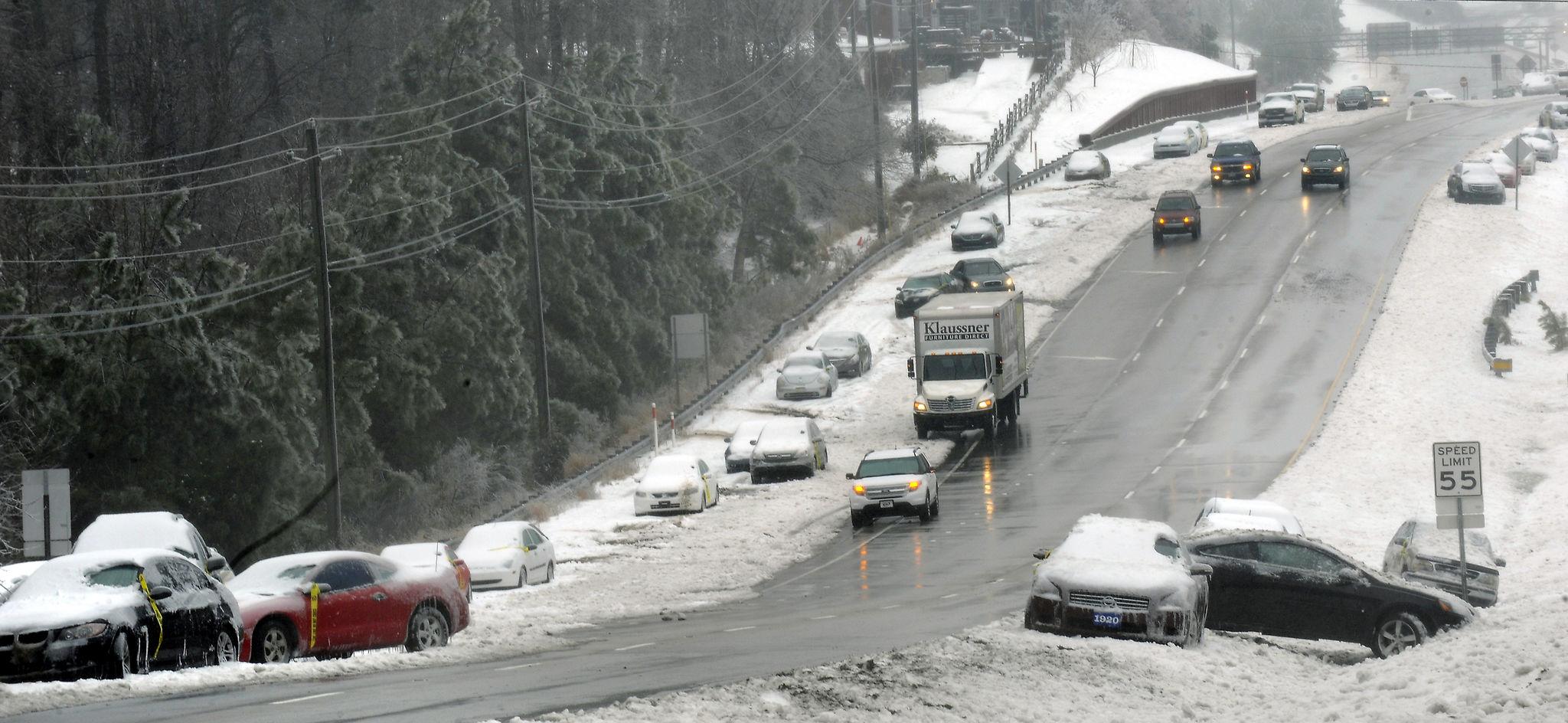
Rural counties faced unique challenges as secondary roads remained untreated longer than urban routes. Farmers expressed concern about livestock exposure and delayed feed deliveries.
Agricultural agencies initiated damage assessments, particularly for winter crops vulnerable to freezing temperatures associated with the North Carolina snowstorm.
Public Response and Community Support
Across the state, residents shared updates and safety information through local networks. Volunteers assisted neighbors with snow removal, food distribution, and transportation to shelters.
Community leaders praised cooperation, stating that shared responsibility helped mitigate risks during the North Carolina snowstorm.
One Meteorological Perspective
One senior weather analyst said,
“This event demonstrates how quickly winter systems can intensify in regions that are not regularly exposed to heavy snowfall.”
The observation reflected broader discussions on preparedness and climate variability.
Healthcare Services Under Strain
Hospitals and clinics activated emergency protocols to manage staffing shortages and increased accident-related admissions. Ambulance services faced slower response times due to impassable roads.
Health officials urged residents to avoid unnecessary travel, emphasizing that medical resources were stretched during the North Carolina snowstorm.
Urban Centers Experience Rare Conditions
Cities such as Raleigh and Charlotte recorded snowfall totals rarely seen in recent decades. Municipal services focused on clearing primary roads while urging residents to remain indoors.
Urban planners noted that infrastructure built for warmer climates required adaptive measures during the North Carolina snowstorm, highlighting long-term planning considerations.
Environmental Factors and Climate Discussion
Climate researchers cautioned against attributing the event to a single cause but acknowledged that variability in atmospheric patterns can increase the likelihood of extreme weather.
The North Carolina snowstorm added to a growing body of data examined by scientists studying shifting winter behavior in traditionally temperate regions.
How This Storm Measures Against Past Winters
Historical records indicate that significant winter storms have occurred in North Carolina before, notably in the late twentieth century. However, population growth and expanded infrastructure increased the scale of disruption this time.
Experts said the North Carolina snowstorm would likely be referenced alongside previous benchmark events when assessing preparedness and response effectiveness.
Restoration and Cleanup Efforts Expand
As snowfall eased, road crews accelerated clearing operations. Utility companies reported gradual progress in restoring electricity, though some outages persisted due to downed lines.
Authorities warned of refreezing overnight temperatures, noting that hazards could continue even after the North Carolina snowstorm officially passed.
Lessons for Emergency Preparedness
State agencies announced plans to review response strategies, including equipment readiness and public communication. Officials emphasized the need for adaptable systems capable of responding to rare but severe winter events.
Emergency planners said insights gained from the North Carolina snowstorm would inform future policies and infrastructure investments.
Past Winter Weather Milestones Across North Carolina
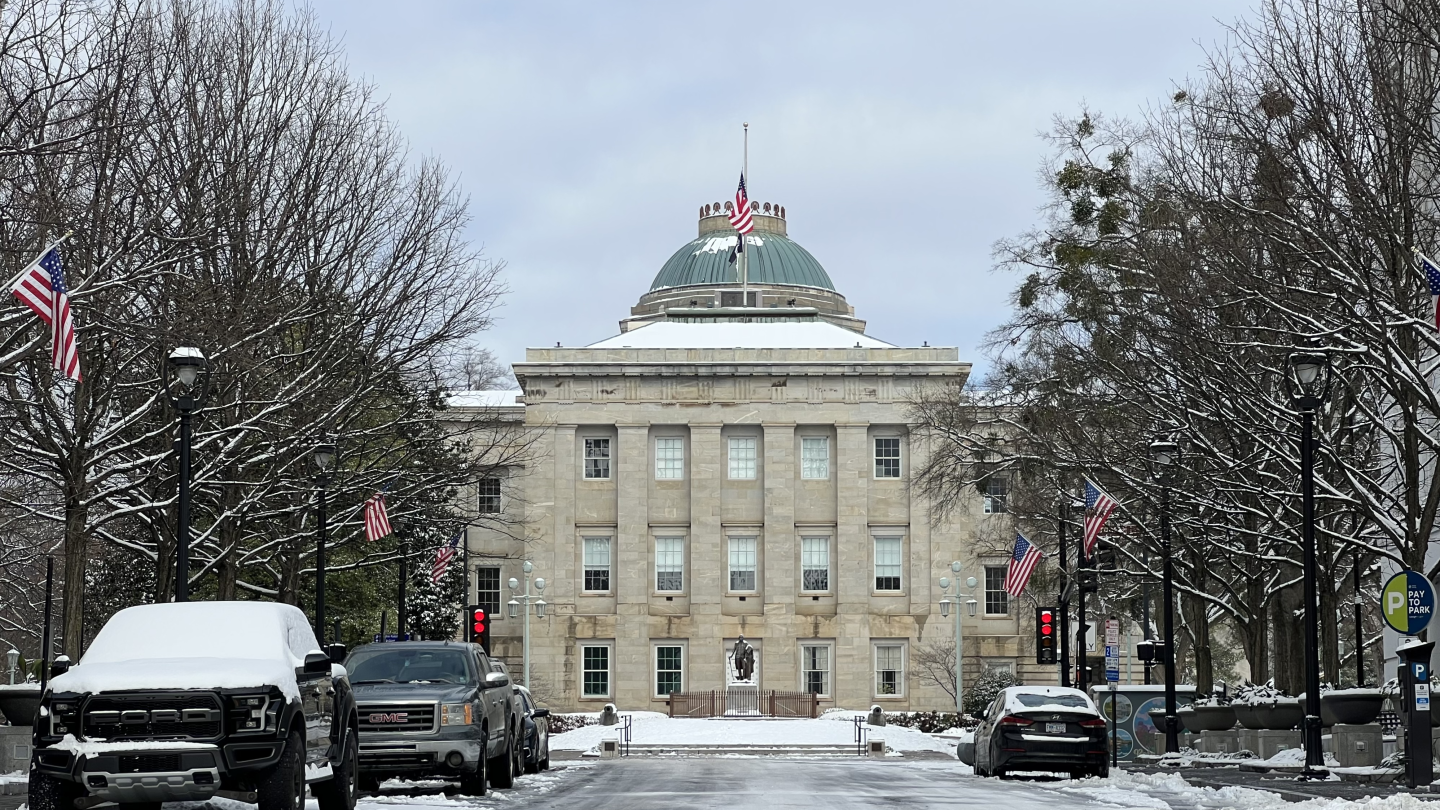
North Carolina’s winter weather history includes occasional severe storms, though most winters remain mild compared to northern states. Notable events in the 1980s and early 2000s brought temporary shutdowns, but such storms remain infrequent. Over time, improvements in forecasting and emergency coordination have reduced risks, though this latest event underscored remaining vulnerabilities in transportation and power systems.
Looking Ahead as Temperatures Rise
Forecasts indicated gradual warming in the days following the storm, allowing recovery efforts to continue. Schools and businesses prepared phased reopenings as safety conditions improved.
Residents reflected on the experience as an unusual chapter in state history shaped by the North Carolina snowstorm.
A Winter Event That Redefined Preparedness
The storm’s scale and impact reshaped expectations of winter risk across the state. Officials emphasized that preparedness must extend beyond historical norms, particularly as weather patterns grow less predictable.
As recovery continues, the North Carolina snowstorm stands as a defining moment that tested resilience, coordination, and community strength across North Carolina.
When the South Faced a Northern Winter
The experience left lasting impressions on residents and policymakers alike. From frozen highways to shared acts of support, the storm demonstrated both vulnerability and unity.
While normal life gradually resumes, lessons from this rare winter episode are expected to influence planning and awareness for years to come.