

Washington, United States, January, 2026 — According to Parliament News, national weather authorities and emergency agencies are responding to a rapidly escalating US winter storm that has spread extreme cold, heavy snow, and dangerous ice across wide swaths of the country, disrupting daily life and placing unprecedented strain on infrastructure. The system, described as one of the most complex winter events of the season, has prompted urgent advisories as millions brace for prolonged disruption.
From urban corridors to rural communities, the storm’s reach highlights the vulnerability of transportation networks, power grids, and public services when extreme weather converges at national scale.
Arctic Air Surge Sets the Stage for Widespread Disruption
Meteorologists tracking the event say the intensity of the current conditions stems from a deep Arctic air mass plunging southward into the continental United States. This cold air collided with moisture-laden systems moving east, creating an unstable atmospheric environment capable of producing multiple hazardous outcomes simultaneously.
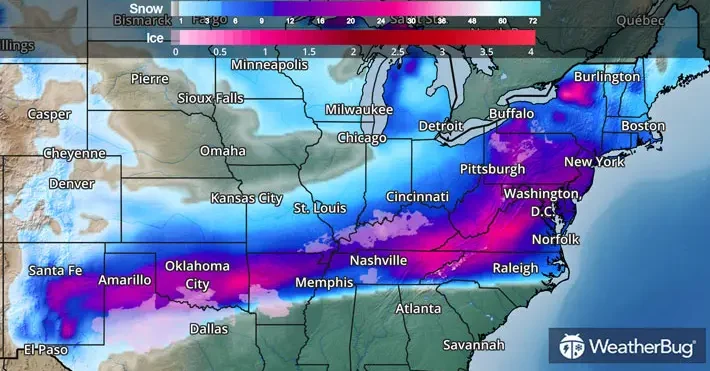
As the US winter storm strengthened, snowfall rates increased sharply across northern regions, while freezing rain began accumulating in central and southern states. Wind speeds intensified, reducing visibility and accelerating ice formation on exposed surfaces.
A Weather System Spanning Thousands of Miles
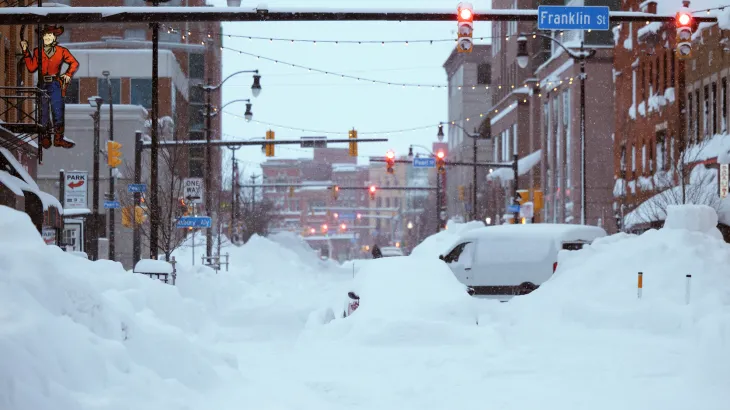
The geographic footprint of the US winter storm stretches from the central Plains to the Atlantic seaboard, affecting dozens of states at varying levels of severity. Northern areas are experiencing sustained snowfall measured in feet rather than inches, while transitional zones are confronting ice accumulation that has proven especially destructive.
This uneven distribution of hazards has complicated emergency response planning, requiring authorities to deploy region-specific strategies while maintaining nationwide coordination.
Road Networks Become Increasingly Hazardous
Road conditions have deteriorated rapidly as snow and ice overwhelm treatment efforts. Major interstates have closed in several states after vehicles became stranded amid whiteout conditions and black ice.
State transportation departments report that plowing operations are struggling to keep pace with snowfall rates, while freezing rain renders salt treatments ineffective in some regions. The US winter storm has transformed routine travel into a significant public safety risk.
Air and Rail Travel Face Cascading Disruptions
Air travel has been severely affected, with thousands of flight cancellations and delays spreading across the national aviation system. Major hub airports have reduced schedules to manage de-icing demands and protect ground crews from extreme cold exposure.
Rail operators have slowed or suspended services in multiple corridors, citing frozen switches, reduced visibility, and safety concerns. Freight delays linked to the US winter storm are already impacting supply chains beyond the immediate weather zone.
Power Infrastructure Under Extreme Stress
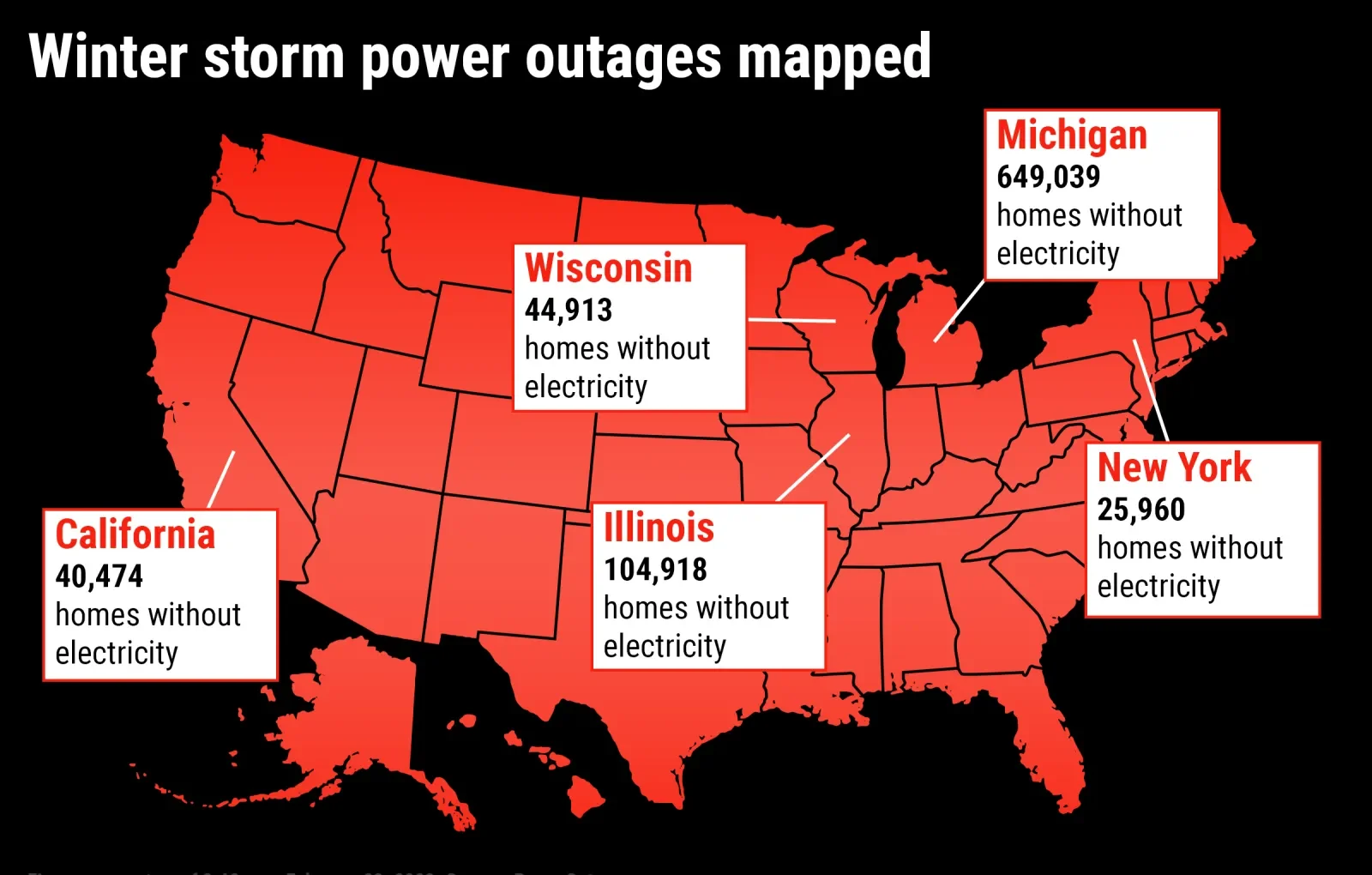
Electrical grids are facing mounting pressure as ice accumulation weighs down transmission lines and strong winds topple trees into power corridors. Utilities warn that outages could last days in some locations due to limited access and continuing hazardous conditions.
Emergency repair crews have been pre-positioned, but restoration efforts remain slow as the US winter storm continues to evolve. Backup generation facilities are operating at elevated levels to meet heating demand.
Emergency Agencies Elevate Public Warnings
Federal, state, and local emergency management agencies have escalated messaging, urging residents to remain indoors and avoid unnecessary travel. Warming centers have opened in areas experiencing extended outages or extreme cold exposure.
One senior emergency management official said,
“This storm combines multiple dangerous elements, and people should understand that conditions can become life-threatening with very little warning.”
Extreme Cold Amplifies Health Risks
Following the passage of the US winter storm, temperatures are expected to plunge further, with wind chills reaching levels capable of causing frostbite within minutes. Medical professionals warn that prolonged exposure can rapidly escalate into hypothermia.
Hospitals are preparing for an increase in cold-related injuries, while public health agencies emphasize the importance of layered clothing, adequate heating, and frequent wellness checks on vulnerable individuals.
Schools and Institutions Adjust Operations
School districts across affected regions have announced closures or transitions to remote learning as road safety deteriorates. Universities and colleges have also modified schedules, delaying the start of academic sessions in some cases.
Government offices are prioritizing emergency functions while suspending nonessential services. As the US winter storm persists, municipalities are reallocating staff to snow removal, emergency response, and shelter management.
Economic Activity Slows Nationwide
The economic consequences of the US winter storm are becoming increasingly visible. Retail foot traffic has declined sharply, construction projects have paused, and manufacturing operations are adjusting shifts due to worker absences and transportation delays.
Logistics firms report delivery backlogs, particularly for time-sensitive goods. Analysts note that even short-term disruptions can have lasting ripple effects across regional economies.
Agriculture and Food Supply Concerns Emerge
Rural regions are confronting unique challenges as the storm impacts livestock, feed access, and transportation routes. Farmers report difficulty maintaining water supplies as freezing temperatures damage equipment.
Food distributors warn that delays linked to the US winter storm could temporarily affect availability of certain products, particularly in remote or heavily impacted areas.
Federal and State Coordination Intensifies
Federal agencies have activated emergency support frameworks to assist states facing the most severe impacts. Resources include disaster response teams, logistical coordination, and energy sector support.
Governors in multiple states have issued emergency declarations, unlocking funding mechanisms and accelerating procurement of essential supplies as the US winter storm continues to strain local resources.
Urban Centers Face Unique Vulnerabilities
Major cities are grappling with the combined challenges of population density, aging infrastructure, and high energy demand. Snow removal efforts are complicated by parked vehicles and narrow streets, while power outages affect large numbers of residents simultaneously.
Municipal leaders emphasize that the US winter storm exposes long-standing infrastructure vulnerabilities that require long-term investment beyond immediate recovery.
Rural Communities Confront Isolation Risks
In rural areas, impassable roads and limited emergency access heighten risks. Volunteer fire departments and local responders play a critical role in reaching isolated residents.
Community networks have mobilized to deliver supplies and conduct welfare checks as the US winter storm restricts movement across large geographic areas.
Meteorologists Cite Broader Climate Patterns
Climate scientists note that the dynamics behind the US winter storm align with broader trends toward increased weather volatility. Shifts in jet stream behavior and warming Arctic conditions are contributing to more frequent extreme cold outbreaks.
Understanding these patterns is increasingly important for forecasting accuracy and infrastructure planning at national scale.
Infrastructure Resilience Under Renewed Scrutiny
The storm has reignited debate over infrastructure resilience, particularly in the energy and transportation sectors. Aging systems face mounting stress as extreme weather events grow more intense and less predictable.
Experts argue that lessons from the US winter storm should inform future investment strategies aimed at strengthening grid reliability and transportation durability.
Information Flow Becomes a Critical Lifeline
Timely dissemination of accurate information has proven essential as conditions change rapidly. Authorities continue to emphasize reliance on official alerts and verified local guidance.
Misinformation risks increase during crises, making clear communication vital as the US winter storm unfolds across multiple time zones and jurisdictions.
Early Recovery Planning Begins in Some Regions
In areas where snowfall has eased, officials are beginning preliminary damage assessments. Road repairs, debris removal, and utility restoration plans are being developed alongside continued emergency operations.
Recovery timelines will vary significantly depending on the duration and severity of impacts caused by the US winter storm.
National Preparedness Faces a Real-World Test
The event underscores how quickly a weather system can escalate into a national challenge. Preparedness at household, municipal, and federal levels has played a decisive role in limiting casualties and damage.
Emergency planners note that the US winter storm offers critical insights into coordination effectiveness and resource allocation under sustained stress.
A Moment That Will Shape Future Response Strategies
As conditions gradually stabilize in some areas and worsen in others, attention is turning to long-term implications. Policymakers, infrastructure planners, and emergency managers are expected to analyze this event closely.
The experience of responding to the US winter storm will likely influence future approaches to disaster readiness, climate adaptation, and public communication.
Beyond the Immediate Crisis a Test of Collective Endurance
While snow and ice will eventually recede, the broader impact of this storm will linger. Communities, institutions, and systems across the country are confronting questions about resilience, preparedness, and adaptability.
The unfolding response highlights both the challenges and strengths revealed when extreme weather places the nation under sustained pressure.