

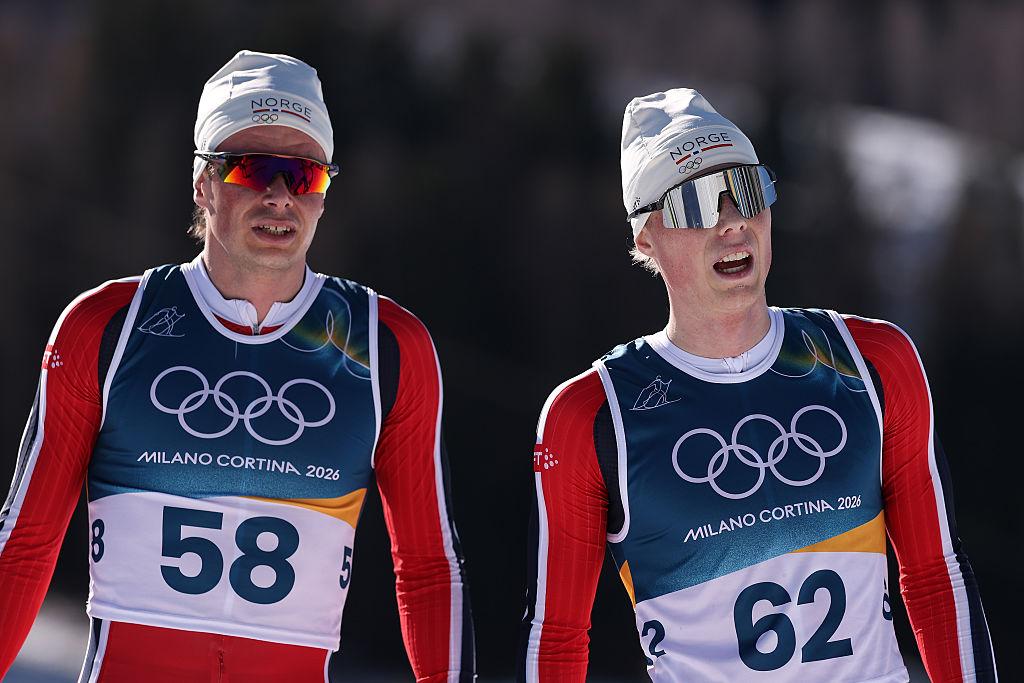
Milano Cortina, Italy – February 21, 2026, According to Parliament News, that Milano Cortina 2026 will be remembered as another defining milestone for Norway cross country skiing after a commanding performance in the 50km classic delivered Olympic gold and reaffirmed the nation’s unmatched reputation in endurance winter sport. On a cold alpine morning surrounded by towering peaks and roaring spectators, Norwegian athletes executed a race strategy that combined patience, discipline, and decisive acceleration in the final kilometers.
The victory was not simply about crossing the finish line first. It represented decades of technical development, cultural tradition, and an athlete pipeline that consistently produces world class competitors. From junior programs in small Nordic towns to elite Olympic preparation camps, the structure supporting Norway cross country skiing once again proved its effectiveness on the sport’s grandest stage.
The Demands of the 50km Classic
The 50km classic event stands as the ultimate test in Olympic skiing. Unlike sprint races that reward explosive speed, this marathon distance demands measured pacing, aerobic endurance, and mental resilience. Athletes must maintain flawless technique across varying terrain, conserving energy while preparing for late race attacks.
At Milano Cortina, the course presented rolling climbs, technical descents, and stretches of compact snow that required precise waxing choices. Early in the race, competitors from across Europe attempted to establish tempo. The Norwegian skiers, however, resisted the temptation to lead prematurely. They remained within the lead pack, monitoring rivals while preserving energy for the decisive final phase.
As kilometers passed and fatigue set in, minor technical errors from challengers began to show. Efficient glide and consistent stride length allowed Norwegian athletes to maintain momentum while others struggled to sustain rhythm.
The Decisive Surge
With less than ten kilometers remaining, the race intensity escalated dramatically. A Scandinavian rival launched a bold attack on an uphill section, attempting to create a gap before the final stretch. The response from the Norwegian skier was immediate yet measured.
Gradually increasing tempo rather than sprinting abruptly, he closed the distance and then continued accelerating. This sustained pressure broke the resistance of remaining challengers. As the leaders approached the final descent, a small but critical separation had formed.
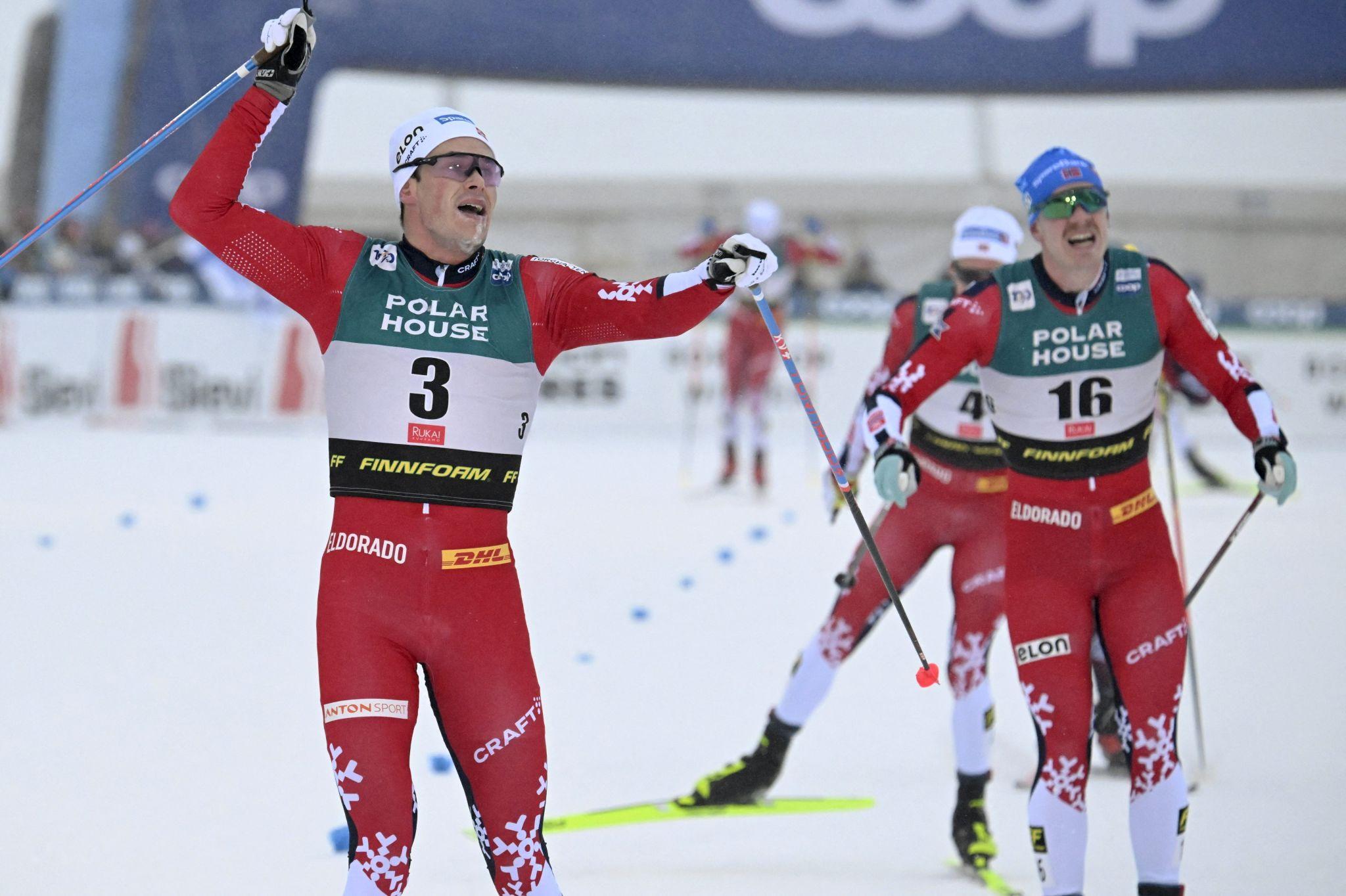
Spectators lining the course waved flags and cheered as the Norwegian contender entered the finishing straight with a clear advantage. The final sprint was powerful but controlled, ensuring that no late challenge would threaten the lead. Crossing the line, he secured gold and extended the remarkable Olympic legacy of Norway cross country skiing.
A Legacy Built Over Generations
This result did not emerge in isolation. The foundation for modern Norwegian success was laid decades ago. Grassroots participation in skiing remains widespread throughout the country. Children learn classic technique in community clubs, often skiing before they enter formal schooling.
Structured talent identification programs then nurture promising athletes through regional and national systems. By the time competitors reach the Olympic level, they have logged thousands of training hours in varied conditions.
This layered development model explains why Norway cross country skiing consistently produces athletes capable of performing under intense Olympic scrutiny.
One Moment Captured in Words
Following the race, a senior team representative reflected on the broader meaning of the victory, stating, “This gold medal reflects the strength of our entire system and the belief that patience and preparation always prevail in the end.”
The remark underscored that while the athlete stood alone on the podium, the triumph belonged to coaches, technicians, families, and supporters who contributed to years of preparation.
The Role of Technology and Innovation
While tradition remains central, innovation plays a vital role in sustaining competitive advantage. Advanced ski base structures, precision waxing formulas, and aerodynamic suit design all influence race outcomes.
Norwegian technicians spent weeks analyzing snow samples from the Italian course prior to competition. Small adjustments in grip wax composition and ski camber selection can translate into measurable time gains over 50 kilometers.
Athletes also rely on physiological monitoring tools to optimize training loads. Heart rate variability, lactate thresholds, and recovery analytics inform daily adjustments. This scientific approach complements the cultural passion that defines Norway cross country skiing.
Global Reaction and Competitive Landscape
The Milano Cortina performance resonated globally. International broadcasters praised the tactical execution and stamina on display. Rival federations acknowledged the challenge of closing the performance gap.
For emerging ski nations, the result highlights the importance of long term athlete development. For established competitors, it reinforces the need for innovation and strategic discipline.
The 50km classic remains one of the most prestigious events in winter sport, and victory in that race carries symbolic significance beyond medal tallies.
The Cultural Significance at Home
In Norway, skiing occupies a unique position in national identity. From urban parks to remote mountain trails, cross country tracks are part of everyday life during winter months.
The Olympic triumph quickly became front page news nationwide. Communities gathered to celebrate not merely an individual accomplishment but a reaffirmation of cultural heritage.
Such victories strengthen public support for youth programs and investment in winter sport infrastructure. They also inspire the next generation to pursue competitive skiing.
Historic Comparison
When examining the broader Olympic record books, parallels emerge between this 50km triumph and earlier eras of dominance. Legendary Norwegian skiers of past decades set standards that defined their generations. Yet sustaining excellence across evolving competition landscapes remains a complex challenge.
Compared with earlier Olympic cycles, the level of global competition has intensified significantly. Advances in sports science have narrowed performance gaps among nations. Despite these shifts, Norway cross country skiing continues to adapt and thrive.
This latest gold stands alongside historic achievements from previous Games, reinforcing a pattern of endurance mastery that spans eras. Analysts suggest that few nations in winter sport history have maintained such consistent excellence across both traditional and modern competitive environments.
The Mental Dimension of Endurance
Physical conditioning forms only part of the equation in a 50km race. Mental resilience becomes increasingly critical as fatigue intensifies. Maintaining technique after more than ninety minutes of exertion demands concentration and composure.
Norwegian athletes train under simulated race pressure to strengthen psychological preparedness. Visualization exercises, controlled breathing techniques, and tactical scenario planning are integrated into preparation cycles.
Such mental discipline proved decisive in Milano Cortina, particularly during the final kilometers when rivals attempted to disrupt rhythm.
Youth Development and Future Outlook
As the Olympic spotlight fades, attention shifts toward sustaining momentum. Norway cross country skiing continues investing heavily in junior development academies and regional training centers.
Young athletes are introduced to structured competition while preserving the joy of skiing. Coaches emphasize technical fundamentals before specialization, ensuring balanced progression.
The Milano Cortina success provides both validation and responsibility. Future competitors will carry heightened expectations, yet they also inherit a proven framework for excellence.
Economic and Sponsorship Impact
Olympic victories often generate commercial ripple effects. Equipment manufacturers, apparel sponsors, and national sport organizations benefit from increased visibility.
The sustained success of Norway cross country skiing enhances brand partnerships and international recognition. Revenue generated through sponsorships can be reinvested into training facilities and athlete support services, creating a virtuous cycle of performance and funding.
Such economic stability further strengthens competitive infrastructure.
Environmental Awareness and Sustainability
Modern winter sport increasingly faces environmental challenges. Climate variability affects snow reliability and event scheduling. Norwegian programs actively engage in sustainability initiatives to preserve winter landscapes.
Investment in snowmaking efficiency, transportation reduction strategies, and environmental education programs reflects a broader commitment beyond competition results.
The Milano Cortina event itself highlighted sustainable venue planning and ecological considerations, aligning with long term values embedded in Norway cross country skiing culture.
A Defining Chapter in Olympic History
The 50km gold medal at Milano Cortina 2026 represents more than a single race victory. It stands as evidence that disciplined preparation, cultural continuity, and adaptive innovation can coexist successfully.
In an era where global competition intensifies each Olympic cycle, maintaining leadership requires constant evolution. Norway cross country skiing demonstrated that its model remains effective even as performance margins narrow worldwide.
For fans, the race provided dramatic tension and an inspiring conclusion. For athletes, it offered proof that patience and endurance remain decisive qualities in elite sport.
The Snow Remembers
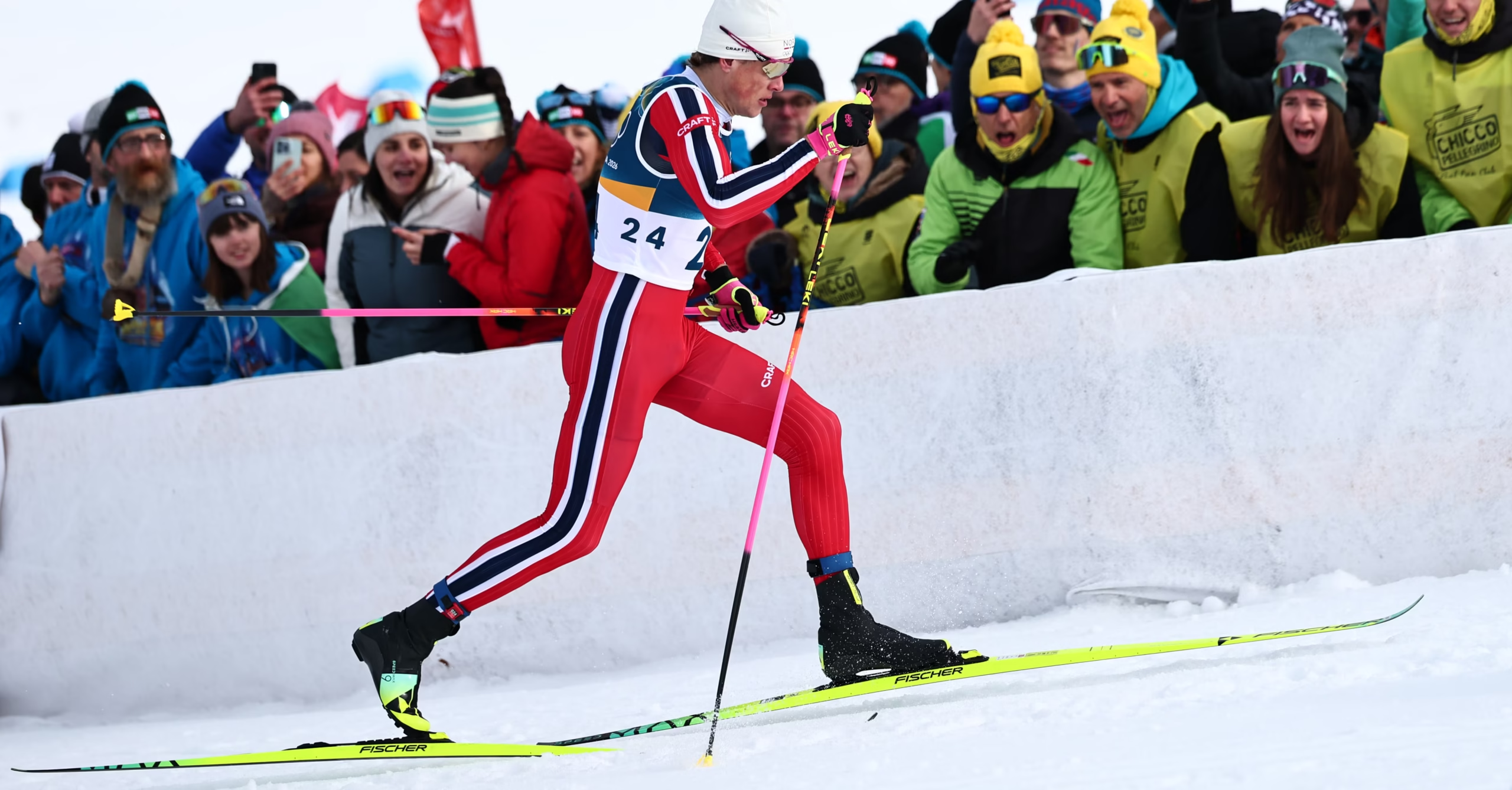
As winter winds sweep across the Italian Alps and Olympic venues return to quiet stillness, the legacy of this race endures. The image of a Norwegian skier powering through the final stretch will remain etched in sporting memory.
Records may eventually fall and future champions will rise. Yet Milano Cortina 2026 will be recalled as a moment when Norway cross country skiing reaffirmed its enduring mastery of the longest and most demanding discipline in winter competition.
In the vast white expanse of the 50km course, history was written not in ink but in tracks carved across snow.