Tehran, Iran, April 06, 2026 (Parliament Politics Magazine) Nuclear diplomacy crisis is intensifying after Iran strongly condemned what it described as a US-Israeli attack on its heavy water facility, marking a dangerous turning point in ongoing geopolitical tensions. The development has triggered immediate global concern, with analysts warning of broader implications for international security and nuclear negotiations.
Iranian officials have labeled the strike a violation of sovereignty and a destabilizing act that could derail already fragile diplomatic efforts. The facility targeted is believed to be part of Iran’s nuclear infrastructure, making the situation particularly sensitive.
A senior Iranian authority stated:
“This escalation threatens not only regional stability but also the future of diplomatic solutions. Iran reserves the right to respond decisively.”
What Triggered the Nuclear Diplomacy Crisis
The latest nuclear diplomacy crisis stems from a reported strike on Iran’s heavy water facility, a key component in certain nuclear processes.
Heavy water reactors can be used in the production of plutonium, which has both civilian and military applications. Although Iran has consistently maintained that its nuclear activities are peaceful, such facilities have remained at the center of global scrutiny.
Preliminary assessments suggest the strike was targeted, focusing on critical infrastructure rather than causing widespread destruction. However, the political impact has been immediate and severe, fueling tensions across the region.
Iran’s Response Signals Rising Stakes
Nuclear diplomacy crisis continues to deepen as Iran signals a calculated but firm response.
Officials have emphasized that while Iran seeks to avoid uncontrolled escalation, it will not ignore actions perceived as hostile. Diplomatic channels remain active, but the tone has shifted toward increased caution and readiness.
The government is expected to pursue a combination of diplomatic protests, strategic measures, and heightened security across key facilities.
Global Reactions and Diplomatic Concerns
The nuclear diplomacy crisis has prompted reactions from governments and international organizations worldwide.
Several countries have urged restraint, emphasizing the need to prevent further escalation. Diplomatic efforts are underway to maintain communication between involved parties and avoid a broader conflict.
A global affairs expert noted:
“The situation underscores how fragile nuclear diplomacy has become. Even a single incident can shift the balance dramatically.”
Impact on Nuclear Negotiations
The ongoing nuclear diplomacy crisis threatens to disrupt efforts aimed at reviving or maintaining nuclear agreements.
Negotiations have already faced significant challenges in recent years, with trust deficits and political disagreements complicating progress. This latest incident may further erode confidence, making future agreements more difficult to achieve.
Observers warn that without renewed commitment to dialogue, the risk of prolonged instability could increase.
Regional Security Implications
Nuclear diplomacy crisis is unfolding within an already volatile Middle East environment.
The region has experienced rising tensions, proxy conflicts, and shifting alliances. This incident adds another layer of complexity, increasing the likelihood of unintended consequences.
Security analysts caution that retaliatory actions could trigger a broader chain reaction, potentially involving additional regional and global actors.
Economic and Energy Market Effects
Beyond geopolitical concerns, the nuclear diplomacy crisis carries significant economic implications.
Global energy markets are highly sensitive to instability in the Middle East. Any escalation could lead to fluctuations in oil prices and increased uncertainty in global trade.
Key risks include:
- Volatility in oil markets
- Disruptions to energy supply chains
- Increased economic uncertainty worldwide
Countries heavily reliant on Middle Eastern energy resources may face immediate impacts.
Strategic Significance of the Strike
Experts believe the incident contributing to the nuclear diplomacy crisis may have strategic motivations.
Such actions often serve to:
- Demonstrate military capability
- Influence diplomatic negotiations
- Send signals to regional and global actors
While the full intent remains unclear, the timing suggests a calculated move within a broader geopolitical context.
What Happens Next
The future of the nuclear diplomacy crisis will depend on how involved parties respond in the coming days.
Potential developments include:
- Intensified diplomatic engagement
- Strategic countermeasures
- Increased military readiness
Global leaders are closely monitoring the situation, emphasizing the importance of avoiding further escalation.
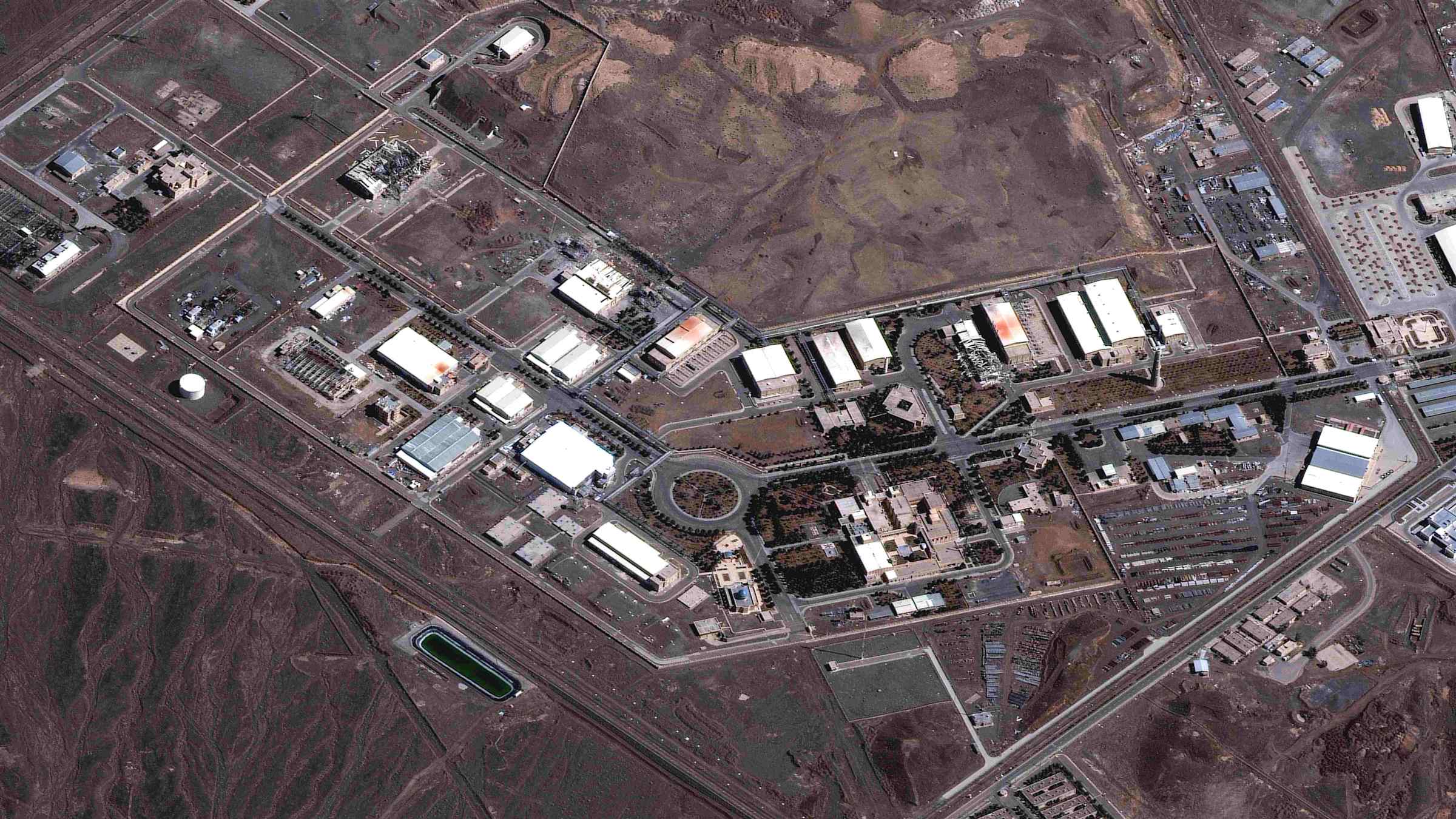
Nuclear diplomacy crisis has intensified following Iran’s condemnation of a US-Israeli strike on its heavy water facility, raising serious concerns about global security and the future of nuclear negotiations.
The incident highlights the fragile nature of current diplomatic efforts and underscores the risks of escalation in an already volatile region.
As the situation evolves, the actions taken by all parties will play a critical role in determining whether tensions escalate further or move toward resolution.