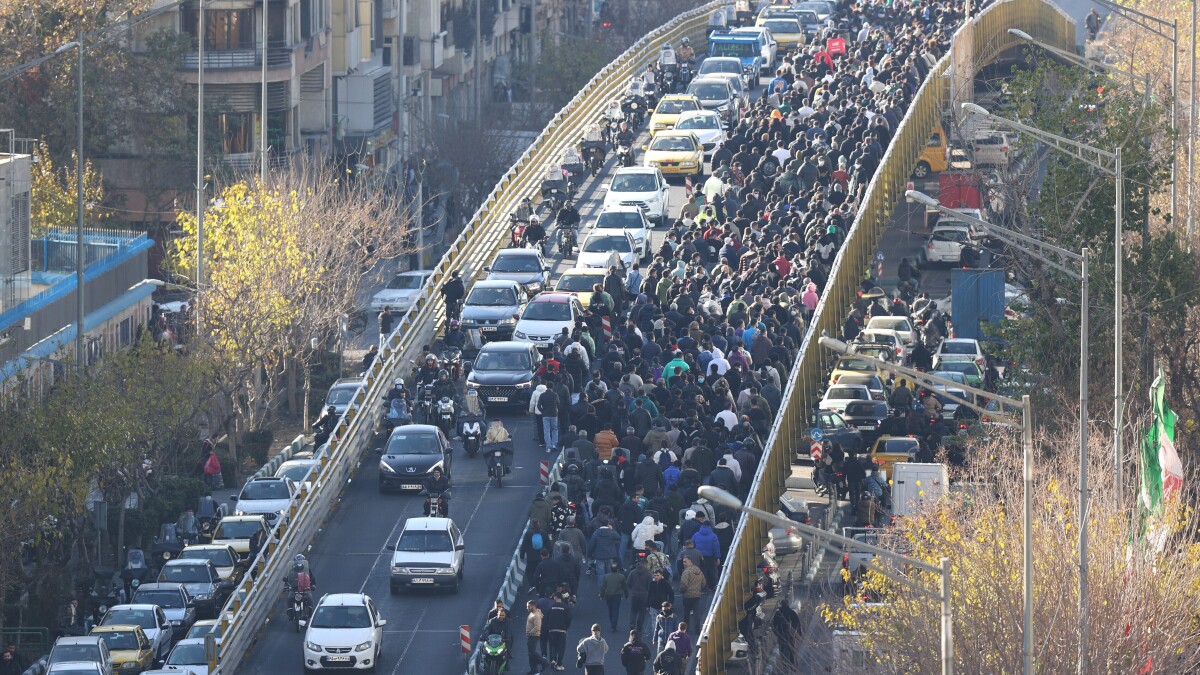
Tehran, April 05, 2026 (Parliament Politics Magazine) Iran has officially rejected a high-stakes U.S. deadline tied to reopening the Strait of Hormuz, further intensifying an already volatile regional crisis. The move comes as military tensions continue to rise and diplomatic efforts struggle to gain meaningful traction.
In this US Iran conflict update, the ultimatum—pushed by former U.S. President Donald Trump—warned of severe consequences if Iran failed to restore maritime access through the strategic waterway. Iranian leadership responded swiftly, dismissing the demand as illegitimate and cautioning that any escalation would be met with retaliation.
A senior Iranian official stated, “We will not comply with threats or artificial timelines imposed under pressure.” The response highlights a widening geopolitical divide that is rapidly increasing instability across the region.
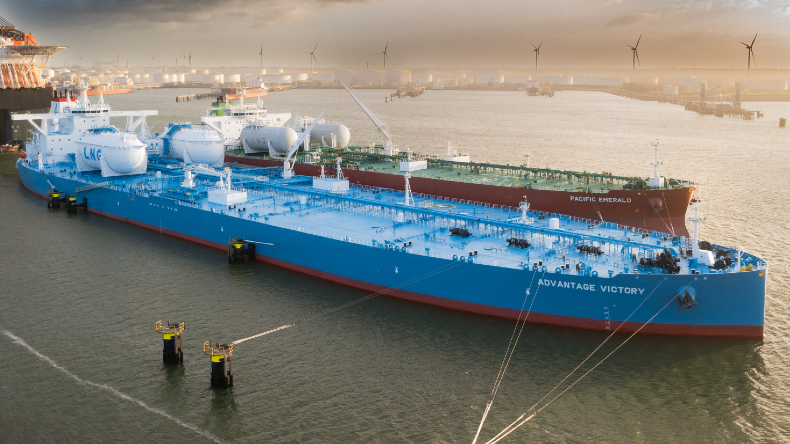
According to intelligence assessments cited in this US Iran conflict update, Iran is unlikely to loosen its grip on the Strait of Hormuz in the near term, viewing control of the passage as a critical strategic advantage in the broader conflict.
Haifa Attack Leaves 2 Dead, Dozens Affected
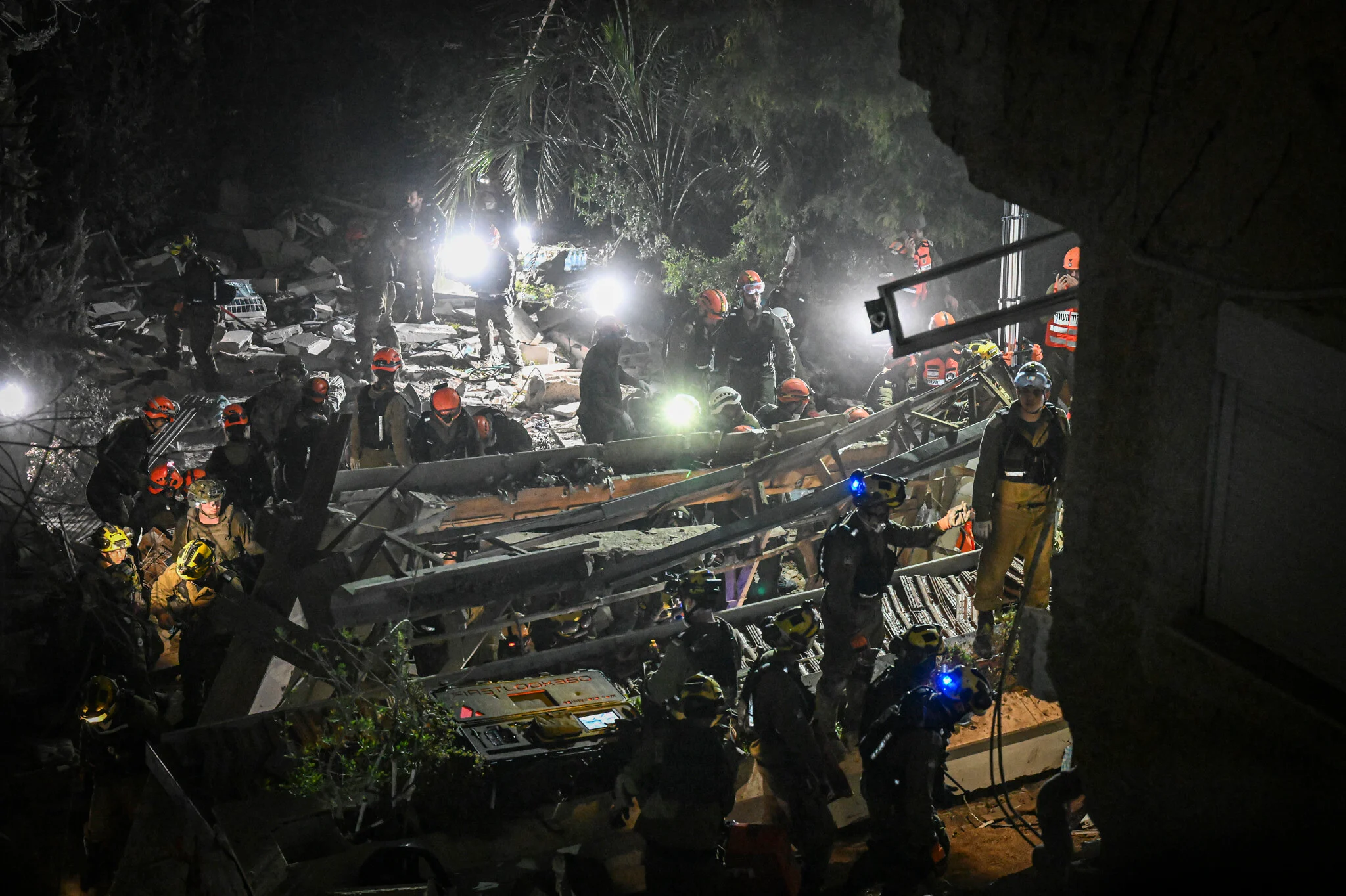
In a significant escalation, at least two people were killed after a missile struck a residential building in Haifa, Israel. The attack has heightened fears that the conflict is expanding beyond strategic targets into civilian areas.
Emergency responders rushed to the scene, where damage to infrastructure and nearby homes was reported. Several others were injured, and rescue operations continued amid concerns of further casualties.
Eyewitnesses described the aftermath as chaotic. One resident said,
“The explosion shook the entire building. Within seconds, everything changed.”
The Haifa incident reflects a broader trend of increasing attacks across multiple fronts, signaling that the conflict is entering a more dangerous phase.
Strait of Hormuz at Center of Global Crisis
Trump’s Warning and Military Pressure Intensify
The U.S. response has been firm and increasingly aggressive. Trump issued a stark warning, demanding that Iran reopen the Strait of Hormuz or face devastating strikes on critical infrastructure.
Military deployments in the region have expanded, with increased naval activity aimed at ensuring freedom of navigation. However, analysts caution that this approach may escalate tensions further.
A defense expert noted,
“This situation is a textbook example of escalation. Each side is raising the stakes, and the risk of miscalculation is growing.”
Multi-Front Conflict Expands Across Middle East
The US Iran conflict update highlights a widening battlefield. Reports indicate that hostilities are no longer confined to a single region but have spread across multiple countries.
Iran has reportedly launched missile and drone attacks targeting various strategic sites across the Gulf, while Israel has intensified operations in Lebanon.
The involvement of additional regional actors raises the possibility of a prolonged and more complex conflict. Diplomatic efforts to contain the situation have so far failed to produce meaningful results.
Global Reactions and Diplomatic Efforts
Economic Impact and Oil Market Volatility
Markets are already reacting to the latest US Iran conflict update. Oil prices have shown upward pressure amid fears of supply disruptions, while global stock markets have experienced increased volatility.
The potential for prolonged instability in the Strait of Hormuz has raised concerns about inflation and economic slowdown, particularly in energy-dependent economies.
Economists warn that the situation could evolve into a broader financial crisis if disruptions persist.
Human Cost and Civilian Impact
Beyond geopolitics, the human toll is becoming increasingly apparent. The deaths in Haifa highlight the direct impact of the conflict on civilians.
Communities across the region are facing uncertainty, fear, and disruption. Humanitarian organizations warn that prolonged conflict could lead to displacement, shortages, and worsening living conditions.
A humanitarian worker stated,
“We are only beginning to see the real cost of this conflict on ordinary people.”
Diplomatic Outlook Remains Fragile
What Happens Next?
US Iran conflict update reveals a rapidly escalating crisis as Tehran rejects a critical U.S. deadline on the Strait of Hormuz. The deadly attack in Haifa, which killed two people, underscores the growing human cost of the conflict. With military tensions rising, global markets reacting, and diplomacy struggling, the situation remains highly volatile. The coming days could determine whether the crisis stabilizes or spirals into a broader regional war.