
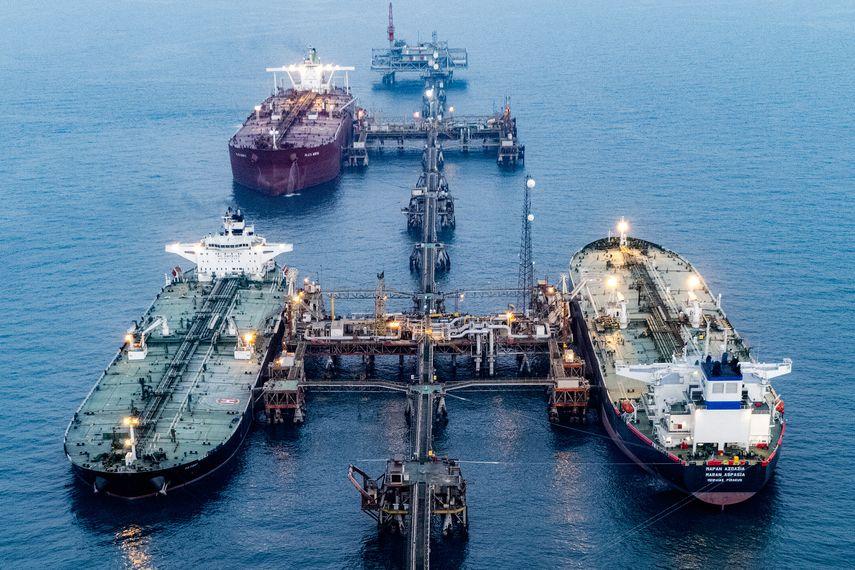
TEHRAN, Iran, June 21 (Parliament Politics Magazine) – Oil shipping routes remain under intense global scrutiny after Iran’s Tasnim News Agency reported that the Strait of Hormuz will not reopen until a lasting Lebanon ceasefire is maintained and oil-related waivers are issued. The latest statement has renewed concern among governments, shipping companies, and energy markets because Oil shipping routes through the Strait of Hormuz carry a significant share of the world’s crude exports. Investors continue monitoring diplomatic developments while freight operators prepare for continued uncertainty surrounding Oil shipping routes.
Iran Links Maritime Access to Regional Diplomacy
Iran’s reported position ties the reopening of the strategic waterway to broader political conditions. Officials indicated that a durable ceasefire in Lebanon and progress on oil waivers remain essential before normal maritime operations can fully resume. As negotiations continue, Oil shipping routes remain one of the most closely watched indicators of regional stability.
“Secure maritime trade is essential for global economic stability and uninterrupted energy supplies.”
Global Energy Markets React Carefully
Energy traders continue evaluating potential supply risks despite no confirmed long-term disruption to exports. Analysts note that uncertainty surrounding Oil shipping routes alone can increase price volatility as markets anticipate possible delays in crude deliveries.
“Markets often respond to geopolitical risk before actual supply disruptions occur.”
History of the Strait of Hormuz and Oil Shipping Routes
The Strait of Hormuz has served as one of the world’s most important energy corridors for decades. Millions of barrels of crude oil pass through the narrow waterway each day, connecting producers in the Persian Gulf with customers across Asia, Europe, and North America. Throughout history, regional tensions have periodically affected Oil shipping routes, making the passage a critical focus for global energy security and international diplomacy.
Shipping Industry Continues Risk Assessment
Shipping companies are reviewing insurance costs, vessel scheduling, and security measures while awaiting further diplomatic progress. Industry experts say reliable Oil shipping routes are essential for maintaining stable fuel supplies and predictable transportation costs. Until greater clarity emerges, many operators are preparing contingency plans for regional shipping.
“Maintaining open sea lanes benefits producers, consumers, and the global economy alike.”
The Bottom Line
The latest developments indicate that Oil shipping routes will remain a major focus for global markets as Iran links the reopening of the Strait of Hormuz to a sustained Lebanon ceasefire and oil waivers. Governments, shipping firms, and investors continue monitoring diplomatic negotiations that could determine when Oil shipping routes return to normal operations.