Parliamentary democracy in the United Kingdom is the oldest and most respected form of government that exists today. It is based on the concept of elected representatives that make decisions for the people in the context of the government being held accountable by Parliament. Parliamentary democracy has been the basis of British politics for hundreds of years and has inspired many other democracies around the globe.
What Is Parliamentary Democracy in the UK?
In a parliamentary democracy in the UK, citizens elect Members of Parliament (MPs) who ultimately represent the citizens. The MPs sit in the House of Commons, which is the main legislative decision-making body. The prime minister leads the government but does so with the consent and support of Parliament. This means the people’s voice is at the center of politics. Laws will be made, debated, and passed by elected representatives, not by one person in charge.
The Structure of UK Parliament

1. The House of Commons
The House of Commons is the “lower” house of Parliament and consists of MPs that have been elected by the voters. MPs represent specific geographic areas called constituencies. The House of Commons takes part in debates about new laws, approves government expenditures, and holds ministers accountable. Of the three areas of parliamentary government in Canada, the Commons is the most powerful.
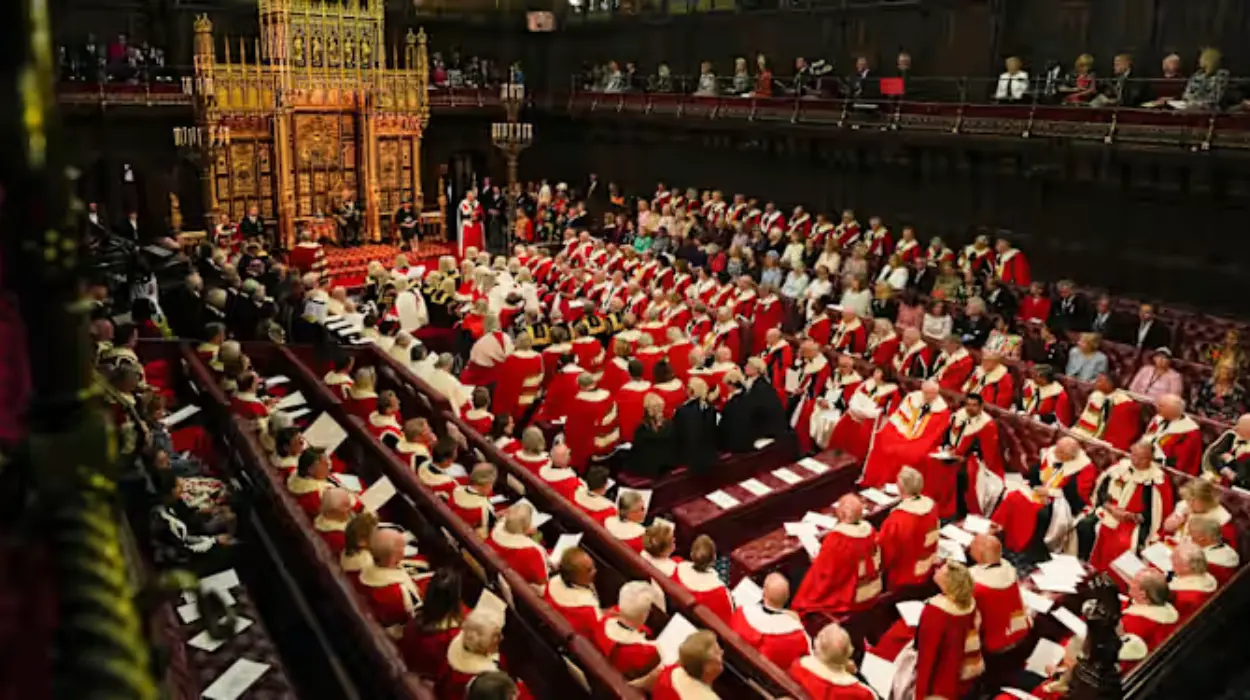
2. The House of Lords
The House of Lords is the “upper” house. Its members are not elected; they are appointed for their expertise, knowledge, or contributions to public life. The House of Lords takes bills it receives from the Commons and amends them. The House of Lords cannot prevent laws from passing, but it provides an important review process.
3. The Monarch
The United Kingdom is also a constitutional monarchy. The monarch in the UK is head of state; King Charles III is the monarch. As part of operating as a parliamentary democracy in the UK, the monarch’s power is largely ceremonial. Actual power lies with Parliament and the government it elects.
How elections work in the UK
Elections are central to the whole experience of parliamentary democracy in the UK. Elections in the UK happen every five years. UK citizens vote in a general election to elect their MPs for each constituency. In the UK, the political party with the most MPs will form the government. The leader of that party will become a prime minister.
If no political party achieves a majority, two or more parties can come together to form a coalition government. Elections provide citizens with the opportunity to influence action on issues and hold elected officials accountable for their actions.
1. The Prime Minister
The Prime Minister of the UK is the head of government and is respected as the leader because their party has the most seats in the House of Commons. The responsibilities of the Prime Minister include appointing ministers, leading policy, and representing the United Kingdom both at home and abroad.
However, in the case of parliamentary democracy in the UK, this does not mean the Prime Minister is above the law. The Prime Minister’s decisions can be challenged in Parliament, and the Prime Minister must face questions from MPs on a weekly basis.
2. The Cabinet
The Cabinet is a group of senior ministers chosen by the Prime Minister, and each minister is held responsible for a particular department of government (e.g., health, education, or defense). The Cabinet has considerable power in terms of shaping and proposing new laws.
The Prime Minister and the Cabinet together comprise a crucial decision-making body for the country, and as part of parliamentary democracy in the UK, the Cabinet also answers to Parliament and public accountability.
The Opposition in Parliament
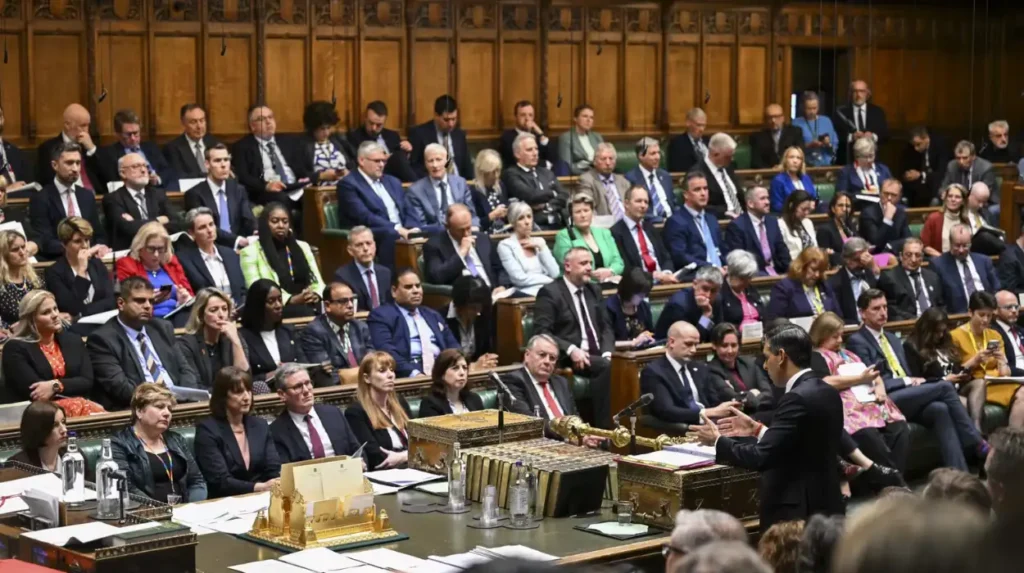
Parliamentary democracy in the UK also ensures that there is a significant opposition. The largest party not in government serves as the Official Opposition. The head of that party is the Leader of the Opposition, which is an official title.
The purpose of the opposition is to challenge the government and its policies by pointing out weaknesses in their rationale and presenting alternative solutions. This system also helps establish accountability. It is very difficult for any person or party to maintain power unchecked.
Law-Making in the UK
The process of lawmaking illustrates how parliamentary democracy works in practice in the UK. Legislation, known as a bill, is brought to Parliament and introduced in the House of Commons or House of Lords.
Bills go through a number of stages that include First Reading, Second Reading, Committee of the Whole, Committee Stage, and Third Reading. Both houses must approve the bill before it can become law. Lastly, the King or Queen of England seals the deal with Royal Assent. This process ensures that laws undergo considerable scrutiny before they affect the public.
Accountability and responsibility
One of the benefits of UK parliamentary democracy is accountability. Government ministers account for their decisions within Parliament. Government ministers respond to questions from members of Parliament, attend their committees, and submit reports.
In the same way, Parliament can call for a no-confidence motion against the government, effectively forcing them out of office or necessitating a new general election and keeping the government accountable.
Challenges to Parliamentary Democracy
Like all systems, the UK parliamentary democracy faces issues. Some people believe the House of Lords is irrelevant given that its members are not elected. Others argue that the voting method may not fairly represent the will of all citizens. Reforms and debates have kept the system a part of the modern world.
Other models of democracy
The UK parliamentary democracy is distinctive, but many other countries follow similar systems. Countries such as Canada, Australia, and India have parliaments that were influenced by the UK model.
However, some democracies, such as the United States, use a presidential system, where the president is elected outside the legislature. Each model has advantages, but the UK system is generally recognized to have the most flexibility and accountability.