

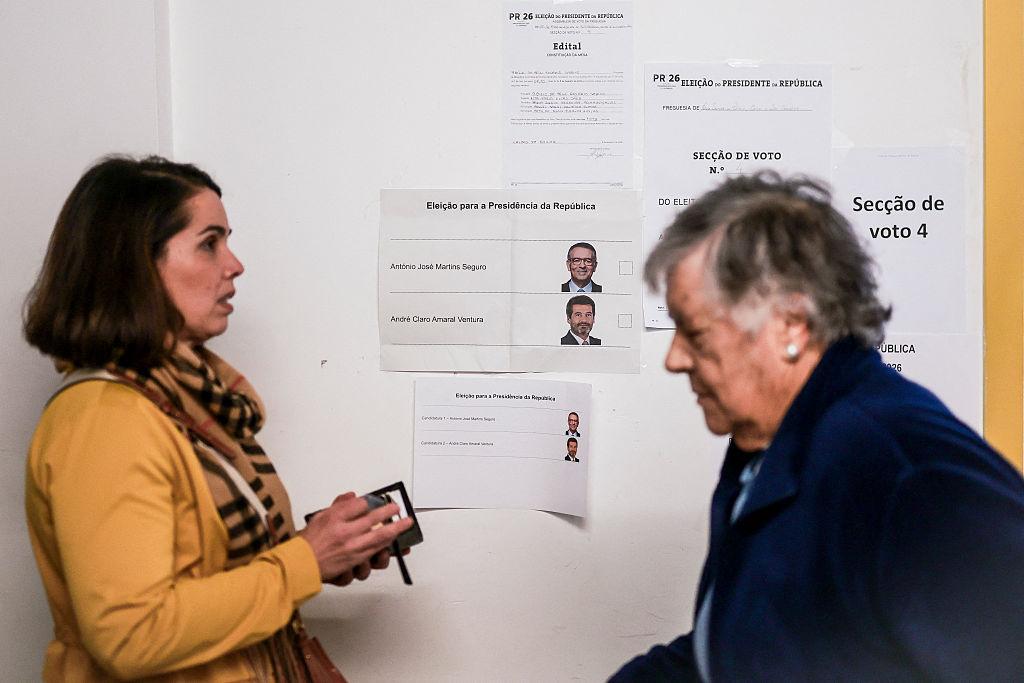
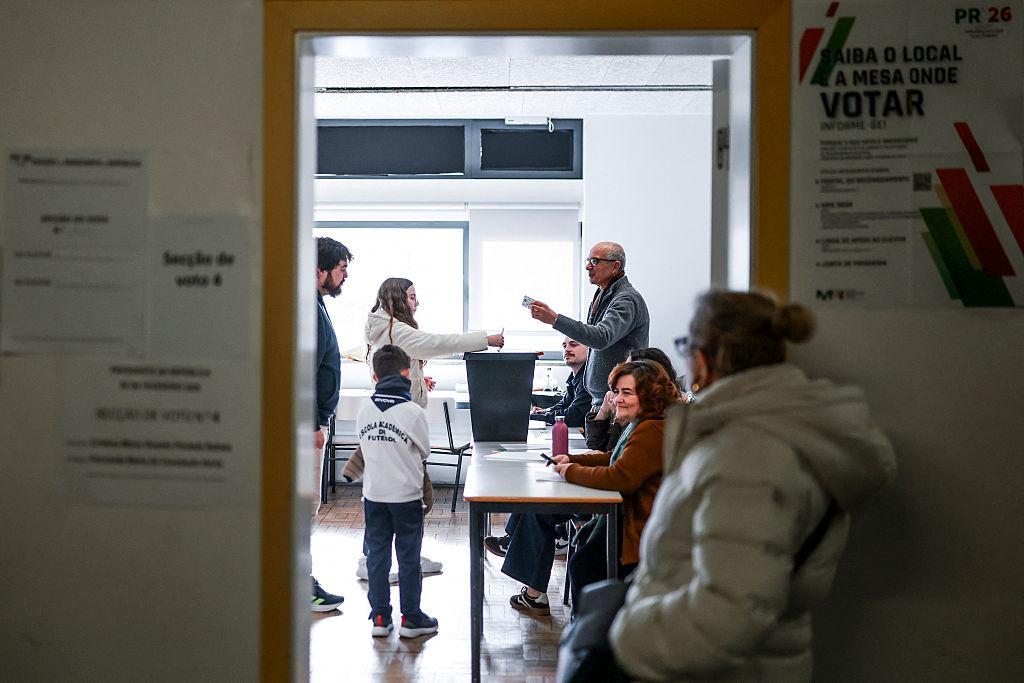
Lisbon , February 8, 2026, According to Parliament News, that the city of Lisbon, Portugal, became the focal point of national attention as citizens returned to polling stations for the Portugal presidential runoff, the decisive second round of an election closely watched at home and abroad. From early morning, steady queues formed outside schools, municipal buildings, and community centers converted into voting locations, reflecting the seriousness with which voters approached the final stage of the contest.
Election authorities reported a calm and orderly opening, with voting procedures functioning as planned across the capital and surrounding districts. The runoff followed a competitive first round that failed to deliver an outright winner, requiring a head-to-head vote between the top two candidates. The atmosphere across Lisbon was marked by quiet determination rather than spectacle, underscoring the institutional nature of the presidency in Portugal’s political system.
High participation reflects democratic engagement
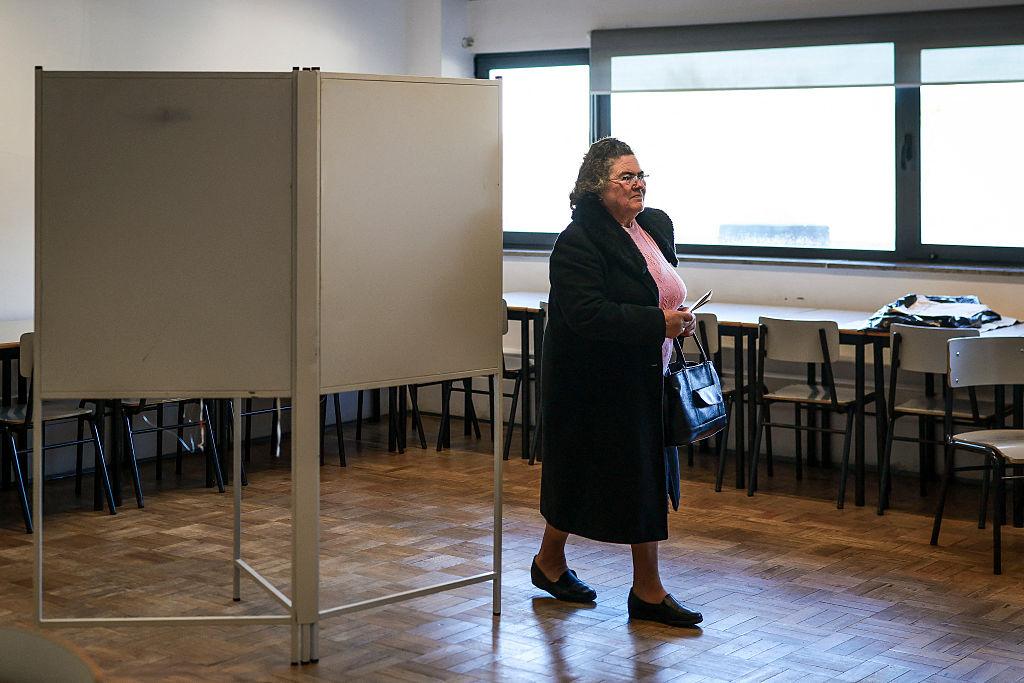
Turnout during the second round exceeded expectations in several urban districts, according to preliminary data released by electoral officials. Analysts attributed the rise in participation to the clarity offered by the runoff format, which narrows voter choice and heightens the perceived importance of each ballot.
The Portugal presidential runoff has historically drawn moderate turnout compared with legislative elections, yet 2026 showed signs of broader engagement. Polling stations in central Lisbon reported consistent voter flow throughout the day, while suburban and coastal areas also recorded stable participation. Election workers highlighted the smooth coordination between local authorities and national oversight bodies.
The constitutional role of the presidency
The president of Portugal serves as the guardian of the constitution, a role designed to balance political power rather than dominate it. While executive authority lies primarily with the government, the presidency carries the responsibility of ensuring institutional stability, overseeing democratic norms, and intervening during political deadlock.
This context shapes voter expectations during the Portugal presidential runoff, where leadership qualities, experience, and credibility often outweigh party ideology. Constitutional scholars emphasize that the office’s influence is most visible during moments of crisis, making the selection of a trusted figure a priority for many voters.
Campaign messaging centers on unity and stability
Throughout the runoff campaign, candidates focused on themes of national cohesion, democratic continuity, and respect for institutional boundaries. Public debates avoided aggressive rhetoric, reflecting Portugal’s political culture of moderation.
As the Portugal presidential runoff entered its final days, messaging increasingly appealed to undecided voters seeking reassurance amid economic uncertainty and global instability. Campaign events in Lisbon were tightly controlled, emphasizing policy discussions and constitutional responsibility rather than large-scale rallies.
Economic context shaping public sentiment
The election took place against a backdrop of cautious economic adjustment. Rising living costs, housing affordability, and public service investment featured prominently in public discourse, even though the presidency does not directly manage economic policy.
Voters interviewed across Lisbon indicated that economic stability influenced their perception of leadership. The Portugal presidential runoff thus became a symbolic referendum on confidence in institutions rather than a direct policy mandate, reinforcing the nonpartisan expectations attached to the office.
Youth and first-time voter participation
One notable feature of the 2026 election was the visible presence of younger voters. Universities and civic organizations promoted awareness campaigns highlighting the importance of participation in democratic processes.
Although younger demographics have traditionally shown lower engagement in presidential elections, the Portugal presidential runoff appeared to narrow that gap. Election officials observed higher-than-average turnout among voters under 30 in several Lisbon districts, suggesting a gradual shift in civic behavior.
Election administration and transparency
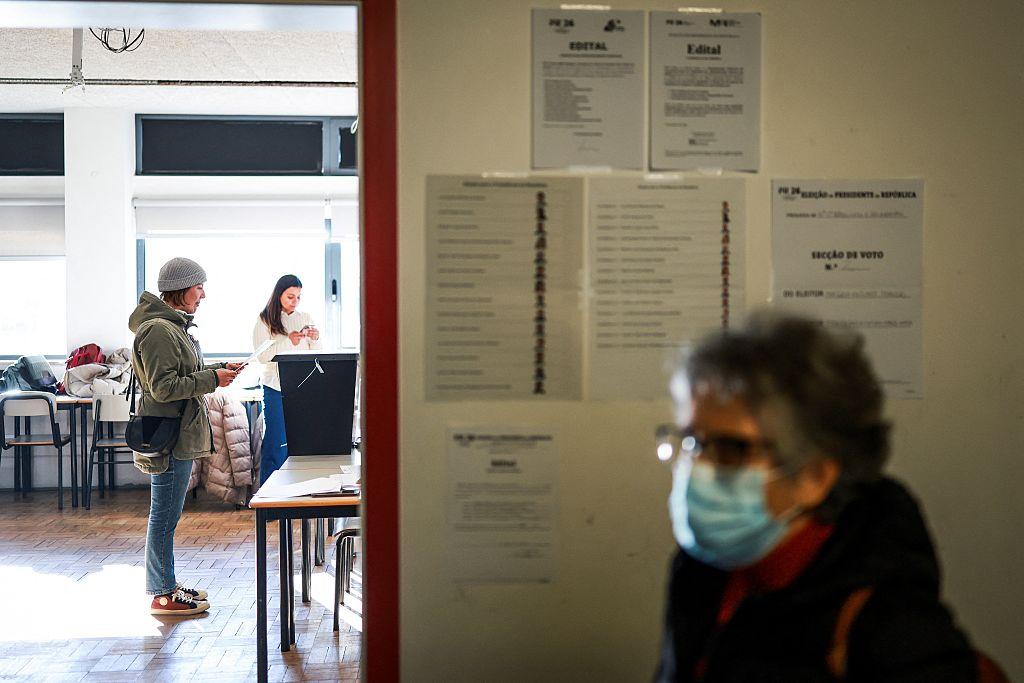
Electoral authorities implemented enhanced monitoring and reporting measures during the runoff, including real-time updates and expanded oversight at ballot-counting centers. These efforts aimed to reinforce public confidence in the integrity of the process.
Observers noted that transparency remains a defining feature of the Portugal presidential runoff, with clear communication from officials helping to minimize misinformation. International monitoring bodies also praised the efficiency and professionalism of local election staff.
Media coverage and public discourse
National broadcasters provided continuous coverage throughout election day, combining live reporting from polling stations with expert analysis. Print and digital outlets emphasized turnout trends and procedural updates rather than speculation.
The Portugal presidential runoff dominated social media discussion, though online debate remained largely civil. Analysts attributed this tone to strong institutional trust and a shared understanding of the presidency’s constitutional limits.
Historic comparison: presidential runoffs in Portugal
Historically, presidential runoffs in Portugal have served as moments of consolidation rather than disruption. Since the country’s return to democracy in the mid-1970s, second-round elections have often reinforced stability by favoring candidates associated with institutional continuity.
The Portugal presidential runoff of 2026 aligns with this pattern. Compared with earlier contests marked by post-transition uncertainty or economic crisis, this election reflects a mature democratic environment where procedural legitimacy outweighs ideological conflict. Political historians note that such consistency has contributed to Portugal’s reputation as one of Europe’s most stable democracies.
Public reaction as polls closed
As voting ended, small groups gathered near major public squares in Lisbon, following televised updates while awaiting preliminary results. There were no reports of unrest or tension, and authorities praised the public’s restraint and patience.
One voter outside a central Lisbon polling station said,
“This vote matters because it protects our democracy, not because it changes everything overnight.”
Vote counting and verification process
Ballot counting began immediately after polls closed, with results transmitted securely to national electoral authorities. Officials emphasized that accuracy would take precedence over speed, with verification procedures designed to ensure full compliance with electoral law.
The Portugal presidential runoff results were expected within hours, though formal certification would follow additional checks. This structured approach reflects Portugal’s emphasis on procedural legitimacy and public trust.
Implications for governance
Once the winner is confirmed, attention will shift to the president’s constitutional responsibilities. These include overseeing government formation if necessary, representing the country internationally, and acting as a neutral arbiter during political disputes.
Analysts suggest the outcome of the Portugal presidential runoff is unlikely to trigger abrupt policy shifts. Instead, it is expected to reinforce continuity, offering reassurance to institutions, markets, and international partners.
International response and observation
European officials and diplomatic observers followed developments closely, viewing the election as a measure of democratic resilience. Early statements highlighted the orderly conduct of voting and the absence of controversy.
The calm execution of the Portugal presidential runoff further strengthened the country’s standing as a reliable democratic actor within Europe, particularly at a time of political volatility elsewhere.
Civic culture and democratic confidence
Beyond the immediate result, the election highlighted the strength of Portugal’s civic culture. High participation, institutional trust, and measured public discourse characterized the process from start to finish.
The Portugal presidential runoff demonstrated how democratic rituals can function as unifying events, reinforcing shared values even amid differing political preferences.
A moment that extends beyond election day
While election day marks the conclusion of the voting process, its impact extends well beyond the announcement of results. Civic engagement, public debate, and institutional confidence generated during the campaign are likely to shape political life in the years ahead.
For many citizens, the Portugal presidential runoff served as a reminder that democracy is sustained not only by outcomes, but by participation, trust, and respect for institutions.
The 2026 vote in Lisbon stands as a defining chapter in Portugal’s democratic story. Conducted with transparency, restraint, and broad participation, the election reaffirmed the country’s commitment to constitutional governance.
As the nation moves forward, the Portugal presidential runoff will be remembered less for dramatic change and more for the confidence it inspired in democratic continuity — a quiet but powerful affirmation of political maturity.