
Washington (Parliament Politics Magazine) – Federal Judge David Novak demands Lindsey Halligan justify using the US Attorney title after Judge Currie ruled her Eastern Virginia appointment unlawful.
As reported by Joe Sommerlad of The Independent, District Judge David Novak has ordered prosecutor Lindsey Halligan to explain why she kept using the U.S. Attorney title, even though a previous ruling said her appointment was unconstitutional.
How did David Novak challenge Lindsey Halligan’s use of the US attorney title?
Trump-appointed District Judge David Novak released a three-page order on Tuesday, January 6, giving Halligan seven days to explain her actions after Judge Cameron McGowan Currie ruled her second interim DOJ appointment unconstitutional.
Currie’s ruling led to the dismissal of criminal charges against ex-FBI Director James Comey and New York Attorney General Letitia James, both persistent critics of the president.
Novak directed Halligan to clarify,
“the basis for… [the] identification of herself as the United States Attorney, notwithstanding Judge Currie’s contrary ruling. She shall also set forth the reasons why this court should not strike Ms Halligan’s identification of herself as United States Attorney from the indictment in this matter.”
The judge said Halligan must also explain why calling herself U.S. Attorney is not false or misleading. He noted that the Department of Justice has appealed Currie’s ruling, but her order is still in effect and has not been paused during the appeal.
He concluded,
“Consequently it remains the binding precedent in this district and is not subject to being ignored.”
In her November ruling, Judge Currie sided with the defense, saying Halligan, a former White House aide with no prior experience as a prosecutor, stayed in office longer than the 120-day limit for an interim U.S. Attorney before Senate confirmation or approval by the district judges.
The judge determined that all acts
“flowing from Ms Halligan’s defective appointment, including securing and signing Mr Comey’s indictment, were unlawful exercises of executive power.”
In September, Trump appointed Halligan as interim U.S. attorney for the district after her predecessor, Erik Siebert, resigned, having determined there was insufficient evidence to criminally prosecute Comey and James.
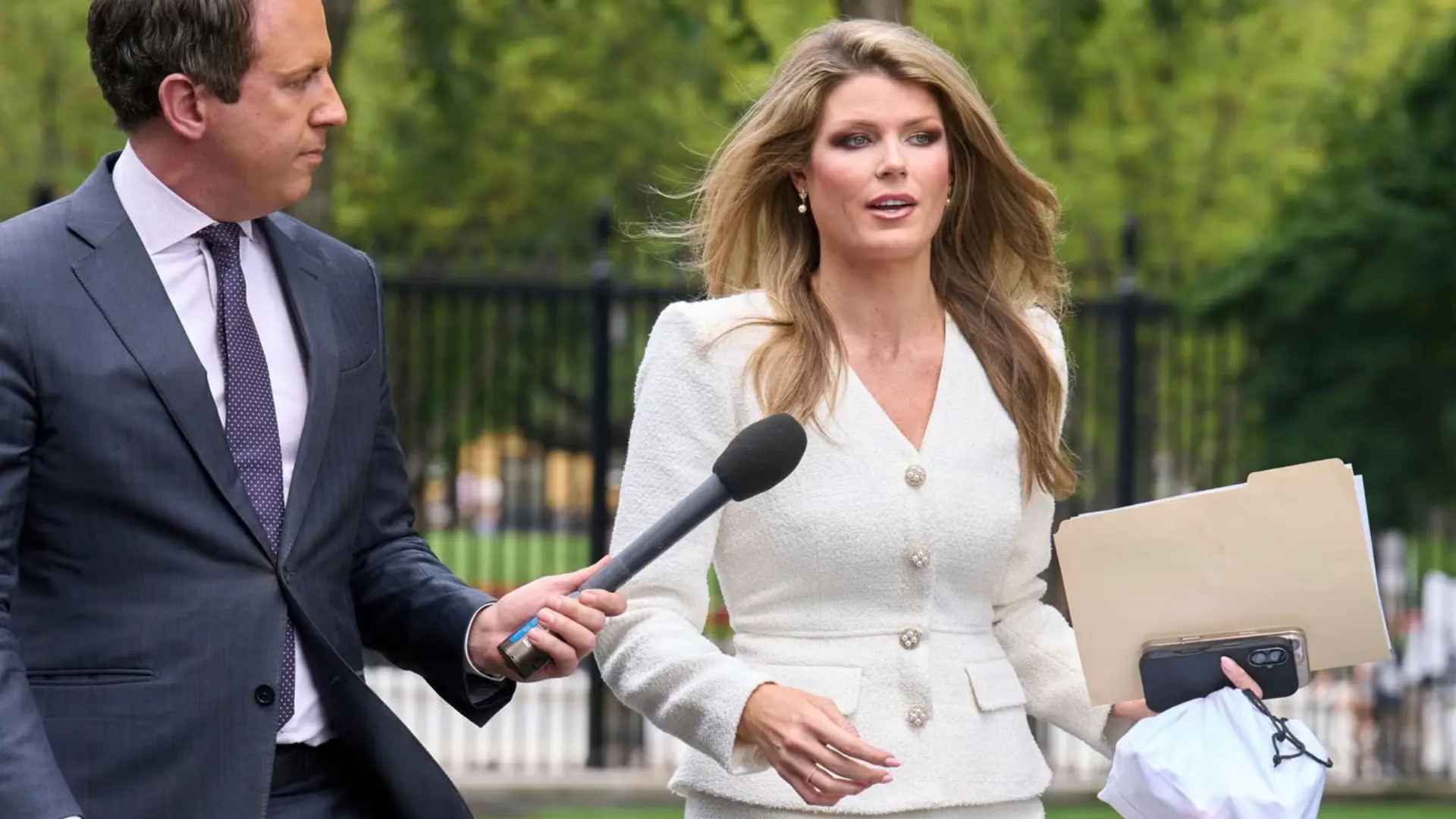
Shortly after taking office, Halligan, a former Miss Colorado and Florida insurance litigator, secured a two-count criminal indictment against Comey for making false statements and obstructing Congress.
A few weeks later, Halligan filed criminal charges against James, alleging bank fraud and false comments related to her 2020 Virginia home loan.
Both ex-officials rejected the charges, and the courts subsequently dismissed their cases.
White House officials have sent Halligan’s nomination to the Senate Judiciary Committee, hoping to move her confirmation forward to a full Senate vote.
In a December statement, White House press secretary Karoline Leavitt said,
“She’s the president’s nominee. It is our hope that she is confirmed and submitting her questionnaire is part of that process.”
Why did Erik Siebert resign as U.S. Attorney for the Eastern District of Virginia?
Erik Siebert stepped down under pressure from President Trump after his investigation into New York Attorney General Letitia James found insufficient evidence for criminal charges.
Trump publicly demanded Siebert’s removal, saying, “I want him out,” and later claimed, “He didn’t quit, I fired him.” Reports say Siebert was warned he would be fired if he did not resign.
President Trump said political reasons played a role in Siebert’s removal, pointing out his frustration that Virginia’s two Democratic senators had supported the U.S. Attorney’s nomination.
When did Donald Trump appoint David Novak as a District Judge?
President Donald Trump appointed David J. Novak to the U.S. District Court for the Eastern District of Virginia in 2019, with his nomination announced on March 15 and confirmed by the Senate 89-3 on October 16.
Novak was nominated to take over Judge Henry Hudson’s seat after Hudson became a senior judge in 2018.
He had worked as a federal magistrate judge since 2012 and was earlier nominated for a district judgeship by President George W. Bush in 2007, but the Senate did not confirm him.
