

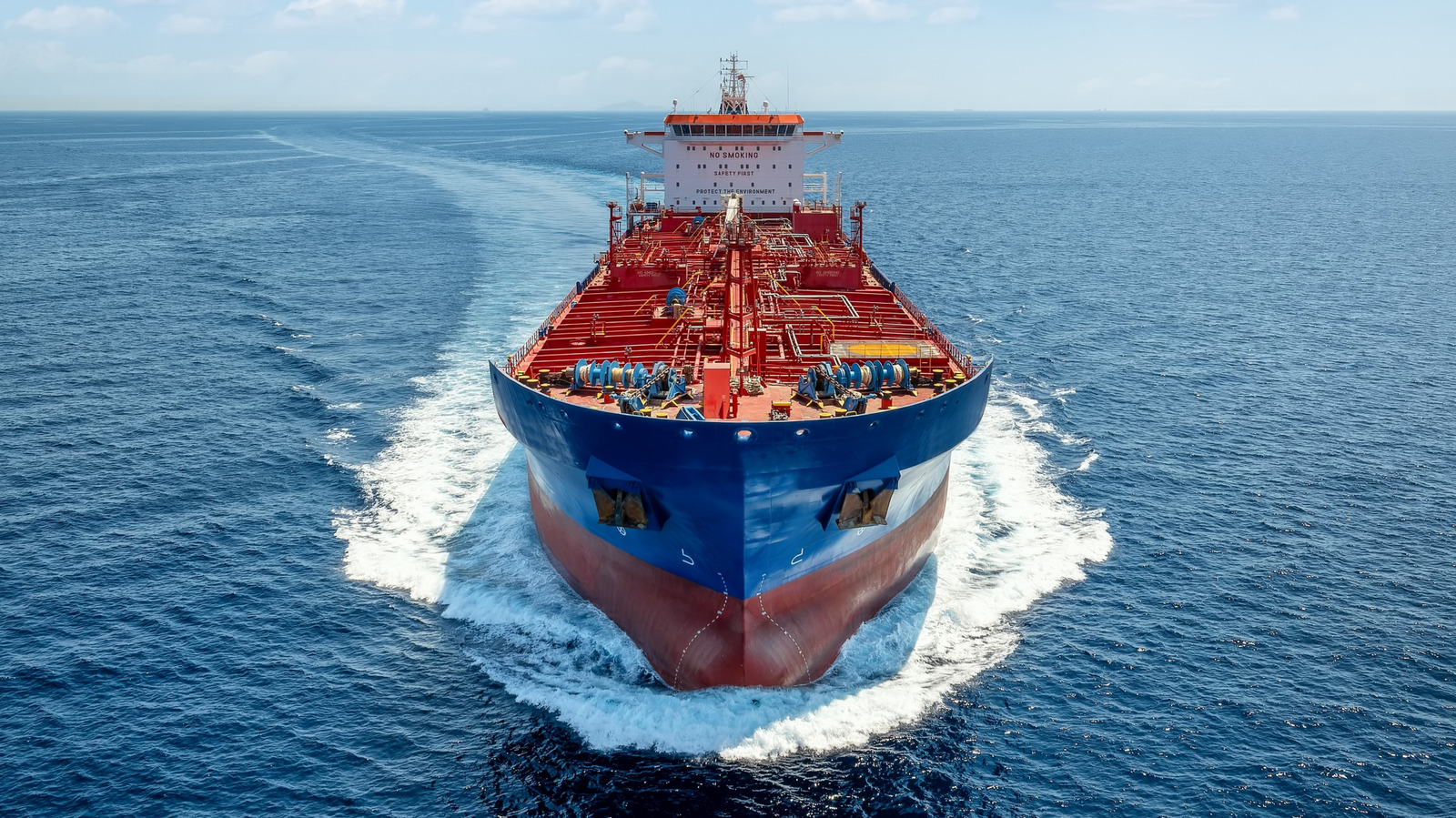
Doha, Qatar, April 1, 2026 (Parliament Politics Magazine) Qatar maritime incident has triggered global concern after a missile reportedly struck an oil tanker near Qatari waters, according to the Qatari Defence Ministry, raising fears over maritime security and disruptions to critical energy supply routes.
Emergency response teams were quickly deployed to assess the situation, with authorities confirming that the vessel sustained damage. While initial reports indicate no confirmed large-scale casualties, officials continue to evaluate the full extent of the impact.
Details of the Incident and Immediate Response
The Qatar maritime incident occurred in a strategically vital shipping corridor, known for its role in transporting significant volumes of global oil.
Defence officials stated that surveillance systems detected unusual activity before the strike, but the missile impact still reached the tanker. Emergency protocols were activated immediately, including fire prevention measures and environmental risk containment.
A defence official stated:
“This incident underscores the serious risks facing maritime operations in sensitive regions.”
Strategic Importance of the Region
The Qatar maritime incident has drawn attention due to its proximity to major global shipping lanes that are essential for energy distribution.
Any disruption in this area has the potential to affect oil prices, supply chains, and economic stability worldwide. Analysts note that even limited incidents can create uncertainty in global markets.
Regional Tensions Continue to Rise
The Qatar maritime incident comes amid heightened geopolitical tensions involving Iran, the United States, and regional partners.
Experts suggest that such incidents may be part of broader strategic signaling, aimed at influencing regional dynamics without direct escalation into larger conflict.
A geopolitical analyst noted:
“Maritime strikes carry symbolic weight—they send signals beyond the immediate damage.”
Impact on Global Oil Supply and Markets
The Qatar maritime incident has raised concerns about the reliability of global oil supply routes. Any threat to tankers can influence shipping costs, insurance rates, and overall market confidence.
Energy markets are particularly sensitive to disruptions in this region, which plays a key role in supplying oil to international markets.
International Reaction and Monitoring
The Qatar maritime incident has prompted close monitoring by global security agencies and maritime authorities.
Several countries have issued advisories to vessels operating in nearby waters, urging increased caution and adherence to updated security protocols.
While diplomatic responses remain measured, the situation continues to be closely observed.
Maritime Security Under Increasing Pressure
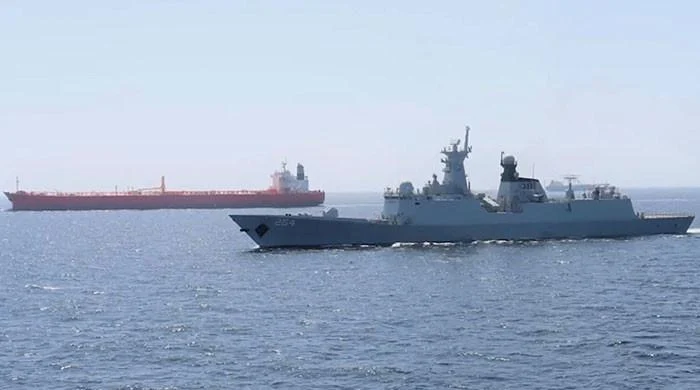
The Qatar maritime incident highlights ongoing vulnerabilities in maritime security, particularly in conflict-prone areas.
Shipping companies may reassess operational strategies, including route adjustments and enhanced onboard security measures, in response to the evolving threat landscape.
Experts warn that repeated incidents could significantly impact global trade patterns.
Investigation and Ongoing Developments
Authorities have launched a full investigation into the Qatar maritime incident, focusing on identifying the source of the attack and evaluating broader implications.
Officials have emphasized the importance of maintaining stability while ensuring that appropriate measures are taken to prevent similar incidents in the future.
Why This Incident Matters Globally
The Qatar maritime incident is significant not only because of its immediate impact but also due to its implications for global security and economic stability.
It highlights the growing risks to critical infrastructure and underscores the importance of international cooperation in maintaining safe maritime operations.
Key Takeaways: Qatar Maritime Incident Intensifies
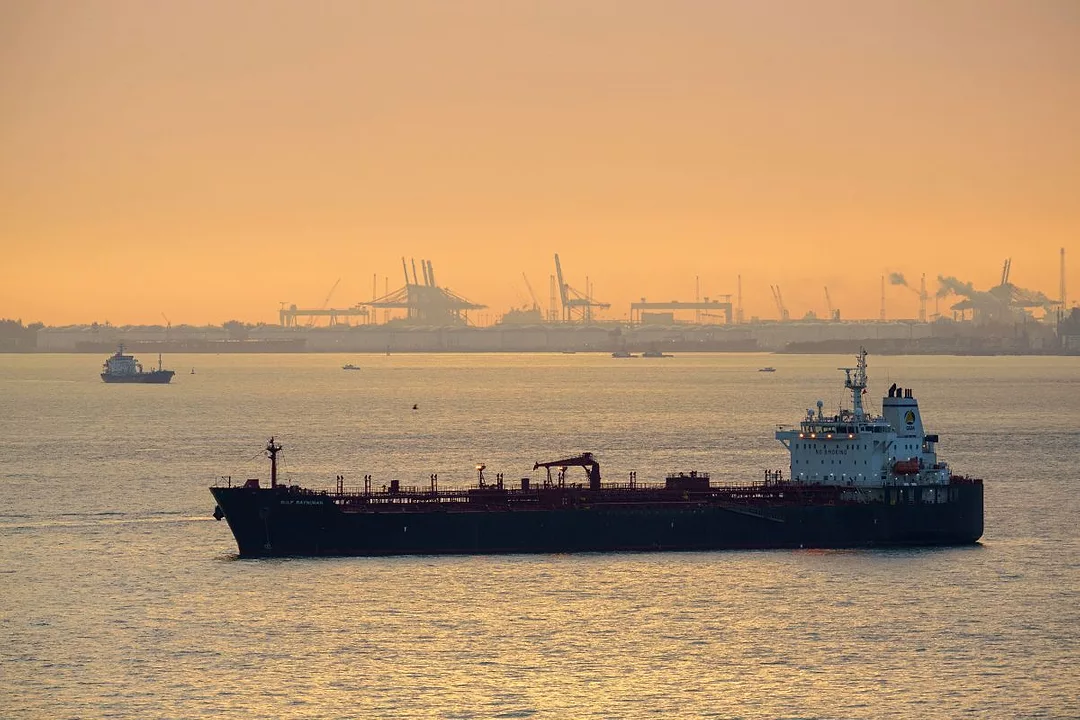
Qatar maritime incident has raised global concern after a missile strike hit an oil tanker near key shipping routes.
Authorities are investigating the incident while monitoring potential impacts on global oil supply and regional stability.
The situation underscores increasing risks to maritime infrastructure amid rising geopolitical tensions.
