
Washington, D.C., March 24, 2026 (Parliament Politics Magazine), Qatar security warning signals growing concern across the Middle East as a senior U.S. counterterrorism official resigned in protest over the administration’s approach toward Iran. The high-profile departure comes at a critical moment, just as the United Nations Human Rights Council prepares to debate Iran’s alleged Gulf attacks.
The overlap of these developments has heightened global attention, with analysts warning that the situation reflects both internal policy tensions in Washington and broader instability across the region.
A Resignation That Reflects Internal Policy Divisions
The resignation of a senior counterterrorism official is being viewed as a significant indicator of internal disagreement within the U.S. government. Sources familiar with the situation suggest that the official had raised repeated concerns about the risks of escalating tensions with Iran.
According to insiders, the official believed that a more aggressive posture could lead to unintended consequences, including regional instability and long-term security risks. As these concerns were not fully addressed, the decision to step down became inevitable.
A geopolitical analyst noted:
“When a high-ranking counterterrorism leader resigns, it is rarely about a single issue—it reflects deeper structural disagreements within policy circles.”
This moment reinforces how the Qatar security warning is not just about regional threats but also about the policy debates shaping responses to those threats.
UN Human Rights Council to Debate Iran’s Gulf Attacks
Adding to the urgency, the United Nations Human Rights Council has announced a formal debate on Iran’s activities in the Gulf. The discussion is expected to examine allegations of attacks affecting infrastructure and regional stability.
The debate will bring together international representatives to assess the situation and consider possible responses. While outcomes remain uncertain, such forums often influence diplomatic strategies and global perceptions.
The timing of this debate aligns closely with the Qatar security warning, highlighting the interconnected nature of recent developments and the growing need for coordinated international action.
Qatar’s Position: No Recent Attacks, But Risks Remain
Qatari officials have emphasized that while no recent attacks have warranted alerts, this should not be interpreted as an absence of threat. Intelligence assessments suggest that potential risks remain, even during periods of relative calm.
This cautious approach reflects the unpredictable nature of regional dynamics. Security experts often point out that threats in such environments can evolve rapidly, making early warnings critical.
The Qatar security warning has therefore become a key signal for both regional and global observers, indicating that vigilance remains essential despite the lack of immediate incidents.
Iran’s Role in Rising Regional Tensions
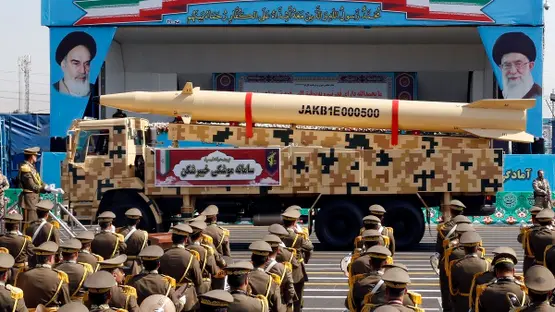
Iran continues to play a central role in the evolving situation. Its strategic influence across the Middle East, combined with its involvement in various regional conflicts, makes it a focal point for both concern and analysis.
Allegations regarding Gulf attacks have further intensified scrutiny. While details remain contested, the issue has become a central topic in discussions about regional security and international accountability.
The Qatar security warning is closely tied to these developments, as Iran’s actions are seen as a major factor influencing the current risk environment.
Political Reactions in Washington
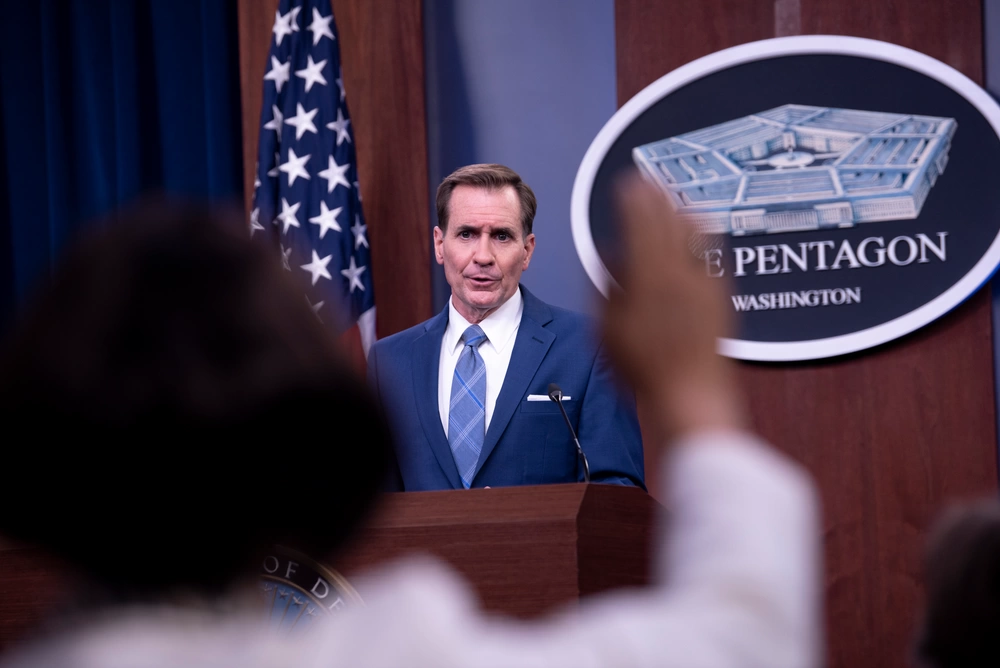
The resignation has sparked political reactions across Washington, with lawmakers calling for greater transparency and accountability. Some have questioned whether current policies are adequately addressing the complexities of the situation.
Critics argue that losing a senior counterterrorism official at such a critical time could undermine confidence in U.S. leadership. Others defend the administration’s approach, emphasizing the need for decisive action in response to evolving threats.
This debate underscores the challenges of managing the Qatar security warning, where policy decisions must balance immediate risks with long-term strategic goals.
Global Economic and Security Implications
The implications of the Qatar security warning extend beyond regional politics. Global markets, particularly energy sectors, are sensitive to developments in the Middle East due to its role in oil production.
Any escalation could disrupt supply chains, leading to increased volatility in global markets. Investors are closely monitoring the situation, aware that even minor changes can have significant economic impacts.
At the same time, security agencies worldwide are reassessing threat levels, recognizing that regional instability can have far-reaching consequences.
The Human Dimension of the Crisis
Amid the geopolitical focus, the human impact of the situation remains significant. Civilians across the region face uncertainty, with potential risks affecting their safety and livelihoods.
Humanitarian organizations have expressed concern about the possibility of displacement and increased vulnerability. These challenges highlight the broader consequences of the Qatar security warning, extending beyond political and economic considerations.
What Lies Ahead?
The coming weeks will be critical in determining how the situation evolves. The UN debate may provide an opportunity for dialogue, but its effectiveness will depend on the willingness of stakeholders to engage constructively.
At the same time, security measures are expected to remain heightened, reflecting the ongoing risk environment. The resignation of a senior official adds another layer of complexity, raising questions about future policy direction.
The Qatar security warning will likely remain a central theme as developments continue to unfold.
A Critical Warning in a Fragile Environment
The resignation of a top U.S. counterterrorism official, combined with the UN Human Rights Council’s planned debate on Iran’s Gulf attacks, marks a pivotal moment.
The Qatar security warning underscores the ongoing uncertainty, highlighting both immediate risks and deeper structural challenges. As global attention intensifies, the situation remains fluid and unpredictable.
In this evolving landscape, one reality stands out: the Qatar security warning is not just a precaution—it is a signal of a region on edge.