

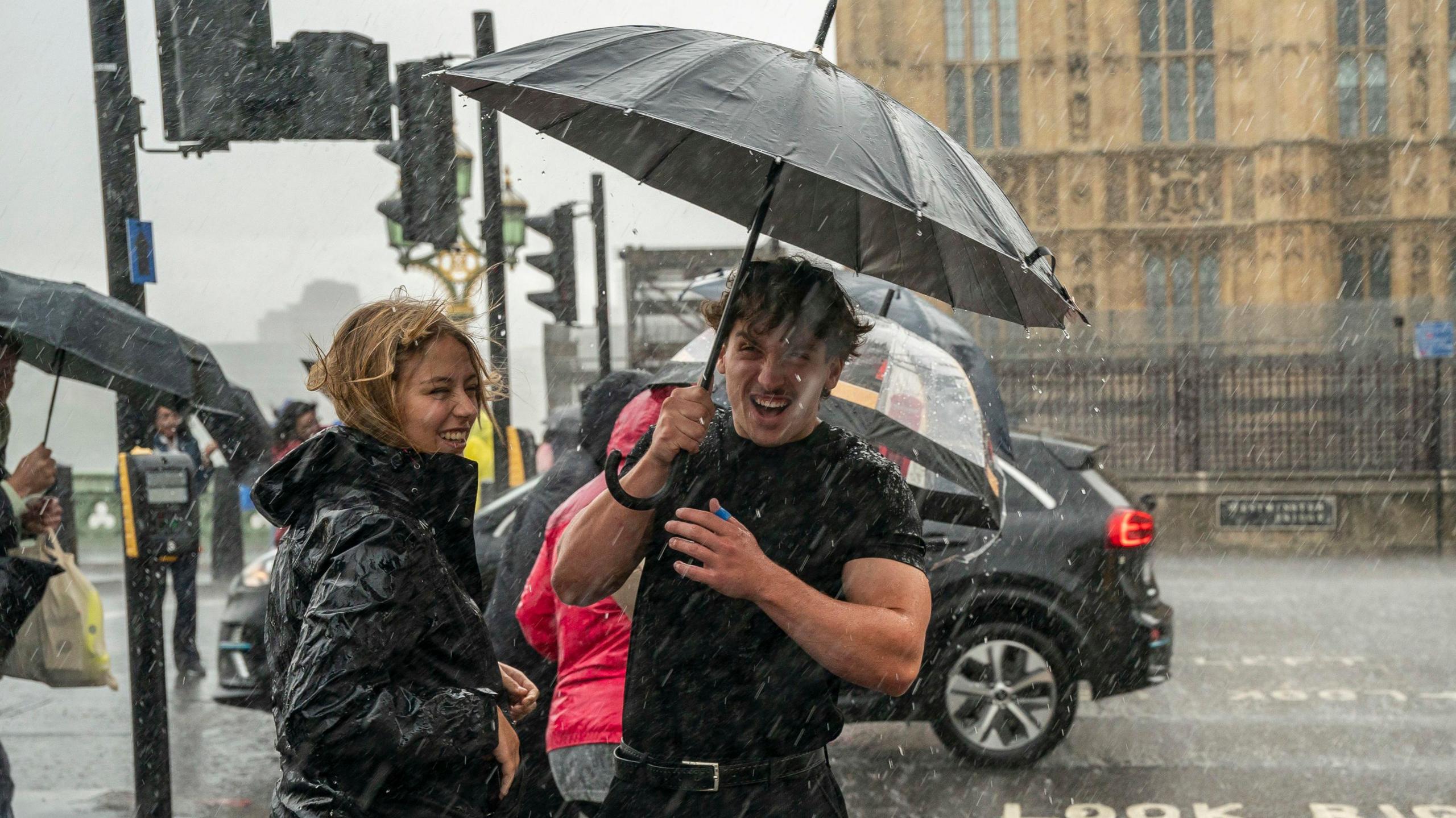
London, United Kingdom, February 10, 2026 — Parliament News — Rainy weather in the UK has become one of the most influential forces shaping everyday life across Britain in 2026, affecting how people travel, work, shop, and interact with their surroundings. In London and other major cities, prolonged rainfall this year has moved beyond a seasonal inconvenience and into a topic of national discussion, as communities adjust to persistent wet conditions that test infrastructure and resilience.
Meteorological authorities say rainfall totals recorded so far this year are consistently higher than long-term averages in several regions. While rain has always been a defining feature of life in the United Kingdom, the scale and frequency of downpours have intensified public attention on preparedness and adaptation.
Urban infrastructure under sustained pressure
Cities are on the front line of climate-related challenges, and the experience of rainy weather in the UK has exposed weaknesses in drainage systems designed decades ago. Roads in low-lying areas collect surface water more quickly, while pavements become difficult to navigate during peak rainfall hours.
Urban planners argue that population growth has increased pressure on infrastructure that was never intended to manage such volumes of water. Local councils have responded by accelerating maintenance schedules and reviewing long-term investment plans to improve water management across metropolitan areas.
Transport disruption reshapes daily movement
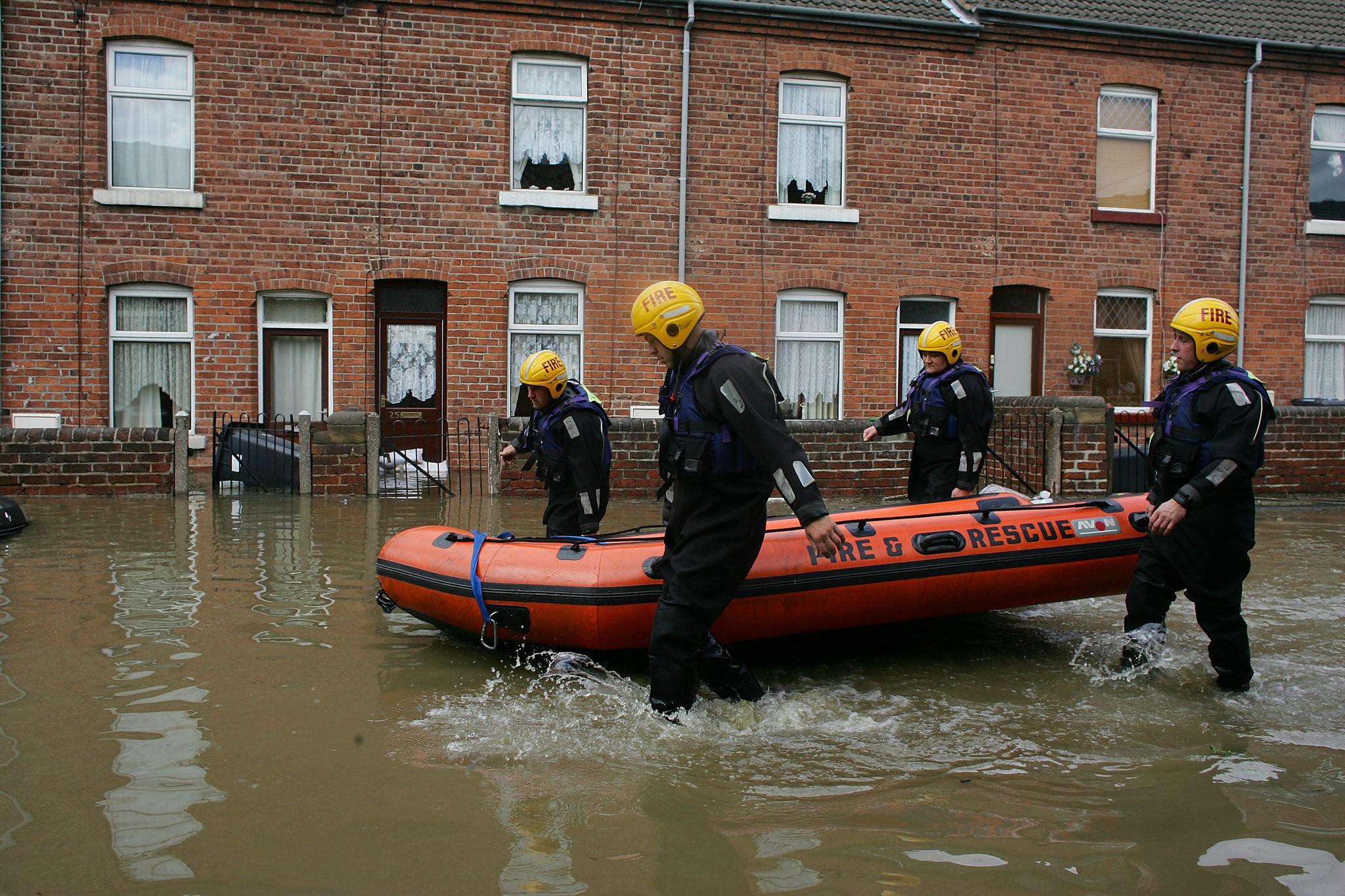
Public transport networks are among the most visible casualties of prolonged rainfall. Rail services frequently operate under speed restrictions, while bus routes face delays caused by congestion and flooded junctions. For drivers, reduced visibility and standing water create safety concerns during peak travel times.
Commuters say rainy weather in the UK has forced them to rethink daily routines, with many leaving home earlier or opting for remote work options when possible. Transport authorities emphasise that coordination between rail, road, and emergency services is now more critical than ever.
Workplace routines and economic productivity
Employers across sectors acknowledge that weather conditions influence productivity. Flexible schedules, hybrid working arrangements, and revised attendance policies have become common responses to repeated disruption.
Business analysts note that rainy weather in the UK indirectly affects output by increasing fatigue and reducing daylight exposure, particularly during autumn and winter months. Offices have responded with improved lighting and wellness initiatives aimed at maintaining employee focus and morale.
Mental wellbeing and social behaviour
Health professionals highlight the emotional impact of extended periods of grey skies and limited outdoor activity. Reduced sunlight is linked to lower energy levels and mood changes, particularly among those already vulnerable to stress.
Community organisations report increased demand for indoor social activities and wellbeing support. Discussions around rainy weather in the UK now frequently include mental health considerations, reflecting a broader understanding of how environmental conditions shape emotional resilience.
Retail patterns and consumer choices
High street businesses are highly sensitive to weather conditions. Sustained rainfall reduces footfall, affecting cafés, markets, and independent retailers that rely on spontaneous visits.
At the same time, certain sectors benefit. Sales of waterproof clothing, home entertainment, and delivery services tend to rise during prolonged wet spells. For many retailers, adapting to rainy weather in the UK has become a key element of short-term planning and long-term survival.
Rural communities and agricultural impact
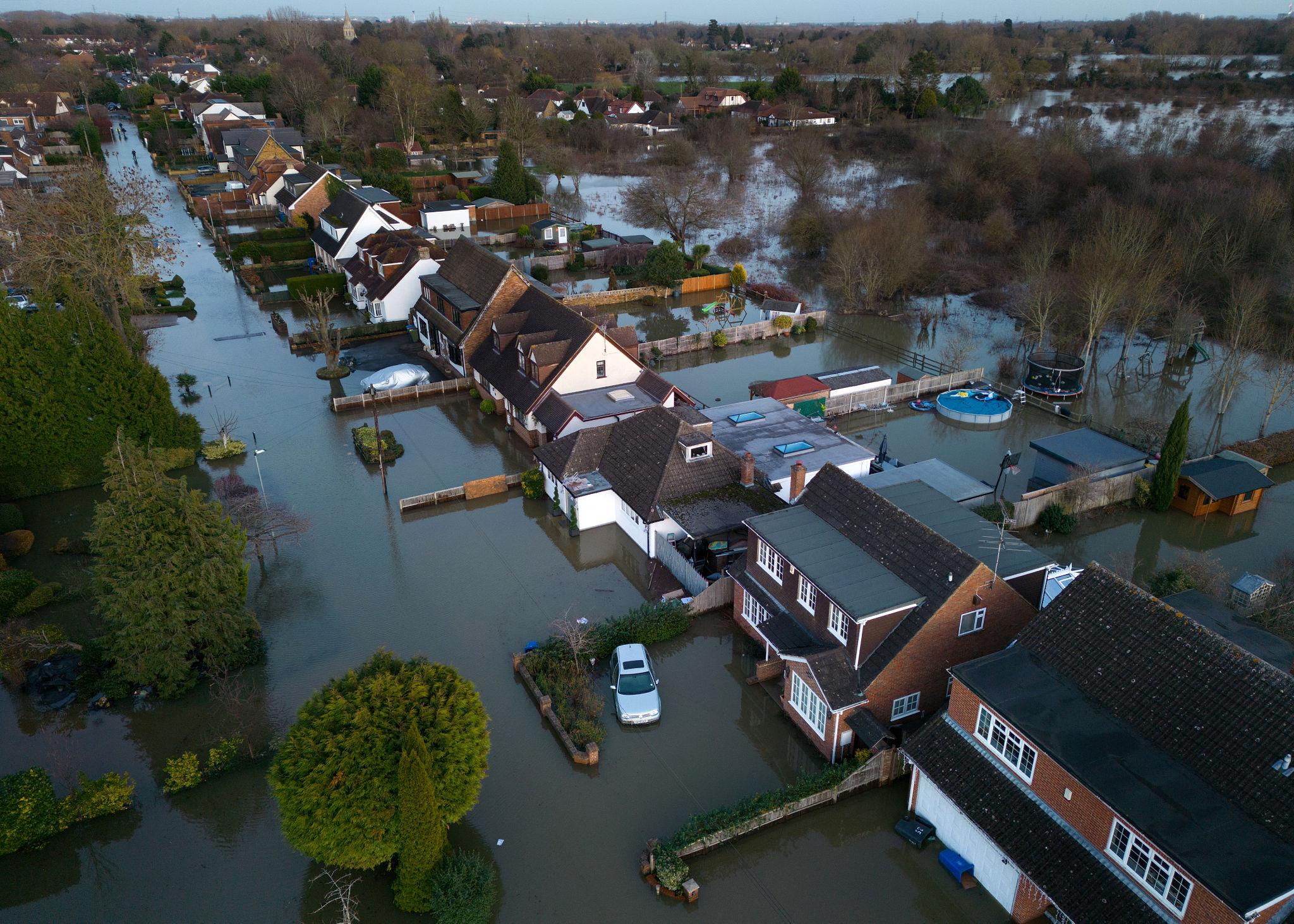
Outside urban centres, rainfall presents a complex challenge. Farmers depend on water for crops, but excessive moisture can damage soil structure, delay planting, and affect livestock welfare.
Agricultural advisers explain that rainy weather in the UK has made planning more difficult, increasing reliance on drainage systems and resilient crop varieties. Rural economies must balance the benefits of rainfall with the risks of prolonged saturation.
Public services and emergency preparedness
Local authorities and emergency services face increased demand during extended periods of rain. Drain clearing, flood monitoring, and rapid response planning require additional resources and coordination.
Policy experts argue that rainy weather in the UK has strengthened the case for sustained investment in resilience rather than reactive repairs. Budget discussions increasingly prioritise long-term solutions to protect communities and essential services.
Environmental signals and climate debate
Scientists caution against attributing individual seasons solely to climate change, yet long-term data suggests increasing variability in rainfall patterns. Environmental groups say the current situation fits broader trends that demand adaptation in urban design and land use.
The conversation around rainy weather in the UK has therefore expanded into a wider debate about climate resilience, sustainability, and the role of government in preparing for environmental uncertainty.
Community voices and lived experience
Public reaction reflects shared frustration and adaptation. One London resident said,
“The rain now dictates how you plan your day, from commuting to social plans.”
Such perspectives underline how rainy weather in the UK is experienced not just through statistics, but through everyday decisions that affect families, workers, and communities.
Policy focus and national coordination
National and local governments continue to review flood prevention strategies, transport resilience, and public communication systems. Officials stress the importance of cooperation between agencies to manage weather-related risks.
The scale of rainy weather in the UK has accelerated policy discussions around infrastructure funding, early-warning systems, and public awareness campaigns designed to minimise disruption.
Technology and forecasting improvements
Advances in forecasting technology have improved preparedness. Real-time alerts, predictive modelling, and mobile applications allow authorities and individuals to respond more quickly to changing conditions.
Experts believe technology will play a growing role in managing disruption linked to rainy weather in the UK, though continued investment and public engagement remain essential.
Lifestyle adaptation and social change
People across the country are adapting lifestyles in subtle but lasting ways. Indoor leisure activities have grown in popularity, while waterproof clothing has become a year-round necessity rather than a seasonal accessory.
Sociologists observe that rainy weather in the UK has reshaped how people use space and time, influencing social interaction and daily planning.
How past planning shaped today’s challenges
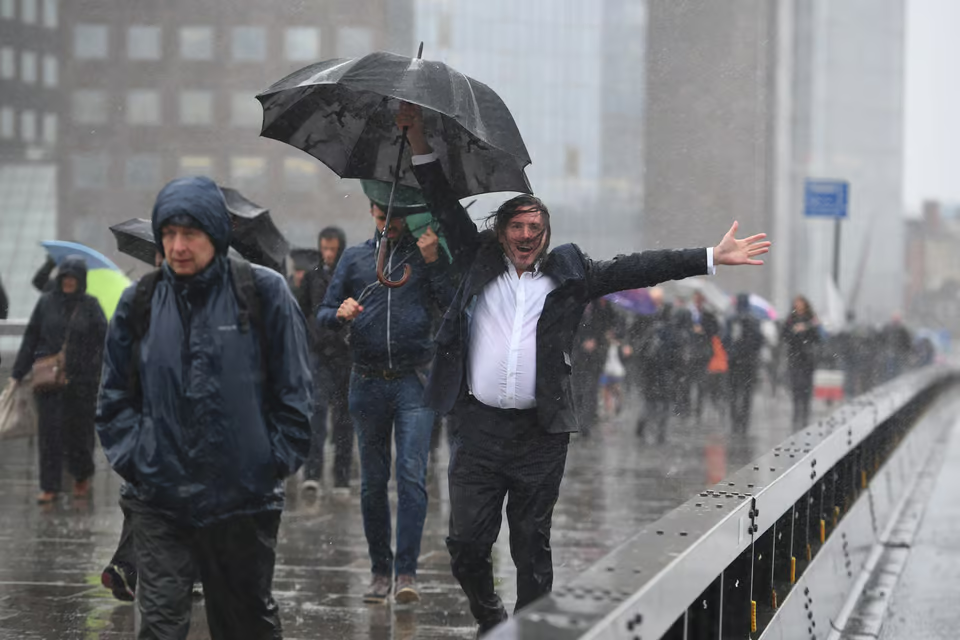
Historically, Britain’s infrastructure was developed around assumptions of moderate and predictable rainfall. Earlier decades experienced fewer prolonged wet periods, allowing systems to cope without major redesign.
The present experience shows how historical planning decisions influence modern challenges, as rainy weather in the UK tests systems built for a different climate reality.
Looking ahead to a wetter future
Meteorologists suggest that variability rather than predictability may define future weather patterns. Preparing for frequent wet periods will require sustained investment and behavioural change.
As rainy weather in the UK continues to shape daily life, adaptation rather than avoidance is becoming the defining national response.
A defining moment for resilience planning
Beyond daily forecasts, the broader story is about resilience, planning, and cooperation. Communities, businesses, and policymakers are learning to respond collectively to environmental pressure.
The experience of rainy weather in the UK in 2026 may ultimately influence long-term policy and cultural change, reshaping how the nation prepares for environmental stress.