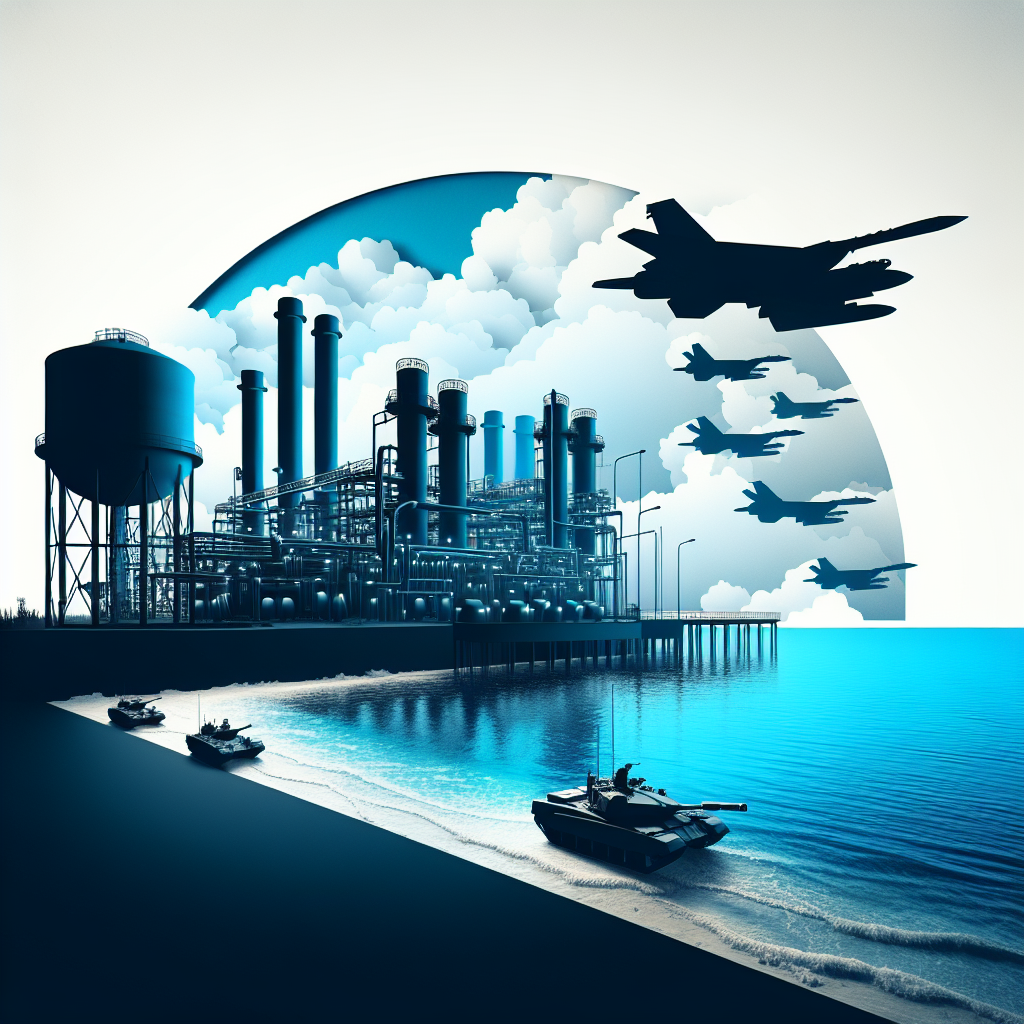
Desalination Plants: A Surprising Military Target
In recent months, the strategic significance of desalination plants has come into sharper focus, particularly in regions like the Middle East and the coastal areas of California. As nations grapple with growing water scarcity caused by climate change, these facilities, which transform seawater into potable water, have become critical infrastructure. Experts discuss why such plants may now find themselves at the heart of military strategies and operations, raising concerns about their protection amid ongoing global conflicts.
Desalination has surged to the forefront of discussions about sustainable water solutions, particularly in arid regions. Governments and militaries are aware that access to clean water is essential not just for civilians, but also for supporting military operations that often stretch into indigenous populations of both locals and allies. Water scarcity has the potential to exacerbate tensions and spark conflict, leading military strategists to prioritize safeguarding this resource.
The Tactical Importance of Water
Water is a vital resource for any army; it sustains troops, powers equipment, and ensures operational effectiveness. The U.S. Army, for example, is heavily reliant on water for everything from cooking to equipment maintenance. In hot regions, the need escalates dramatically. Desalination plants can serve as crucial logistics hubs in these scenarios, allowing militaries to sustain operations without long supply lines.
During recent conflicts in the Middle East, there have been instances where water sources became collateral damage in military engagements. As tensions flare, targeting infrastructure that provides essential resources, such as desalination plants, could be perceived as a strategy to undermine enemy morale and operational capability. Experts are concerned that this strategy could backfire, resulting in humanitarian crises and international condemnation.
Political Ramifications
The geopolitical implications of attacking desalination plants extend far beyond the immediate military advantages they might provide. For one, these facilities often serve a civilian population. Targeting them could severely hinder access to clean water, attracting international scrutiny and accusations of war crimes.
In regions like the Gulf, where water is scarce and power dynamics are fragile, any disruption to desalination operations could spark widespread unrest. National governments might find themselves under pressure to respond to both domestic and international condemnations. This could further complicate already tense situations, including whether to retaliate against military aggressors or engage in diplomatic talks.
Technological Vulnerabilities
While desalination technology offers a long-term solution to water scarcity, it is not impervious to military tactics. These plants, often located along coastlines, can be vulnerable to airstrikes and cyber-attacks. Discussions among defense analysts indicate that protecting these facilities is becoming a key component of national security strategies.
The advent of drone technology has added another layer of complexity. Unmanned aerial vehicles can be used for reconnaissance or direct attacks, potentially compromising the security of desalination facilities. In contrast, advanced cyber-war capabilities may target the operating systems that control these plants, leading to catastrophic failures and production halts.
A Call for Enhanced Security Measures
Given the heightened threat levels, many countries are considering ways to bolster the security of desalination plants. This includes collaborative efforts between governmental and military agencies to create a multi-layered defense strategy.
In addition to physical security measures, there are discussions about enhancing the technological integrity of desalination plants. Securing the vital computer systems against cyber threats could be just as important as reinforcing walls or deploying armed guards.
Moreover, international alliances may play a role in safeguarding these assets. Cooperation between countries to develop shared security protocols, intelligence sharing, and even joint military exercises could form a united front in the protection of critical water resources.
The Future of Water Security
As climate change continues to encroach upon available freshwater resources, desalination will likely remain a focal point in both civilian and military agendas. As a result, understanding the strategic importance of these plants is critical for future planning. The interplay between water scarcity and military strategy will become increasingly relevant as nations continue to navigate complex geopolitical landscapes.
Expectations for the future involve more innovative desalination technologies that could reduce costs and improve efficiency, potentially allowing nations to establish more plants. The secure operation of these facilities will become paramount, as they may serve not just local communities, but also military operations stationed nearby.
Summary of Risks and Rewards
In conclusion, the potential for desalination plants to become military targets is a multifaceted issue. While they offer critical logistical advantages, they also represent vulnerabilities that can have significant repercussions on civilian populations. Military strategists need to consider both the immediate tactical benefits and the long-term political and humanitarian implications of targeting such essential infrastructure.
As nations navigate the overlapping needs for water security and military preparedness, discussions about the protection of desalination plants will likely shape future military strategies and international relations. The calls for enhanced protection measures underscore the necessity of balancing military needs with humanitarian responsibilities, ensuring that access to clean water remains a priority in both peace and conflict.
Conclusion
The evolving nature of warfare means that strategists must adapt to new realities, and water security is now as critical as traditional military objectives. As the world continues to confront the challenges of climate change and resource scarcity, the vulnerability of desalination plants will remain a pressing issue, bearing far-reaching consequences for national security and global stability.