

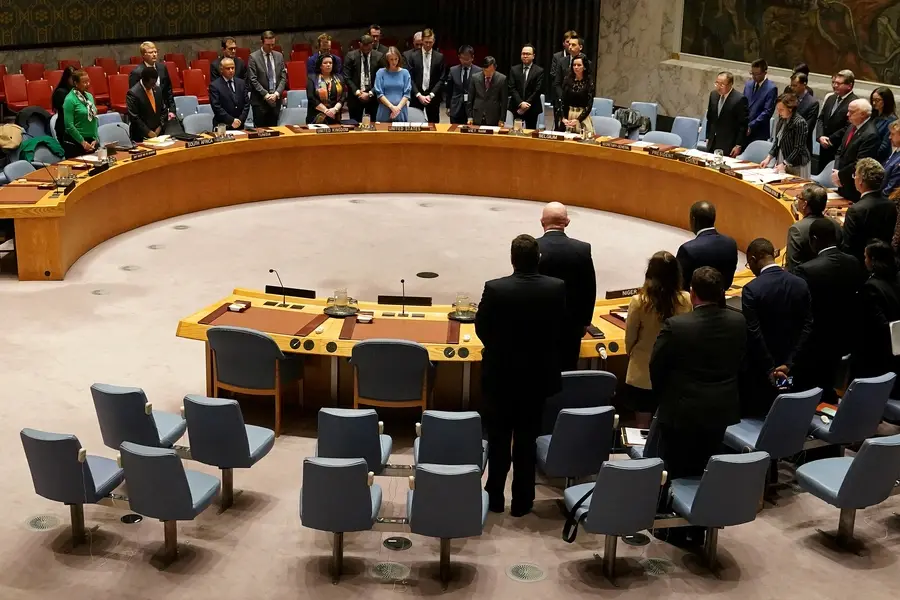
Tehran, February 7, 2026 — According to Parliament News, that A widening regional security crisis is reshaping diplomatic priorities and military planning across the Middle East, as governments and international organizations respond to mounting tensions that threaten broader global stability.
Senior officials confirmed this week that security alerts have been raised across several strategic locations following developments that include military repositioning, diplomatic warnings, and heightened surveillance. The situation has prompted urgent consultations among regional actors and global powers concerned about escalation.
Military Movements Signal Heightened Readiness
Defense officials across the region report increased military readiness, including air patrols, naval deployments, and reinforcement of key installations. While no formal declaration of hostilities has been issued, analysts say the scope of activity reflects preparation for multiple contingencies.
The evolving regional security crisis has heightened the risk of miscalculation, particularly in congested areas where rival forces operate in close proximity. Military planners emphasize the importance of communication channels to avoid unintended confrontation.
Diplomatic Engagements Under Strain
Diplomatic efforts continue as envoys attempt to de-escalate tensions through direct talks and third-party mediation. Several governments have called for restraint, warning that escalation would have consequences far beyond national borders.
Despite these appeals, progress remains slow. Analysts note that long-standing grievances and strategic rivalries complicate negotiations, reinforcing concerns that the regional security crisis could persist without sustained diplomatic pressure.
Civilian Life Affected by Security Measures
As tensions rise, civilian populations are experiencing the indirect effects of increased security measures. Travel advisories have been expanded, public events curtailed, and critical infrastructure placed under heightened protection.
Humanitarian agencies caution that a prolonged regional security crisis could strain essential services, particularly in areas already facing economic and social challenges.

Economic Signals Reflect Growing Uncertainty
Financial markets have responded cautiously to developments in the region. Energy prices have fluctuated as investors assess risks to supply routes, while shipping insurers have adjusted premiums for transit through sensitive zones.
Economalysts warn that sustained instability linked to the regional security crisis could influence global inflation, trade flows, and investor confidence, especially in energy-dependent economies.
International Responses and Strategic Messaging
Global powers have issued coordinated statements urging de-escalation while reaffirming their strategic interests in the region. Emergency meetings have taken place within international institutions as allies exchange intelligence and contingency plans.
A senior European official stated,
“The priority for all parties must be preventing escalation while keeping diplomatic channels open.” The remark reflects widespread concern over the potential consequences of the regional security crisis.
Intelligence Assessments Highlight Escalation Risks
Security agencies are conducting continuous intelligence assessments to monitor developments. Analysts highlight several risk factors, including cyber operations, proxy actors, and the speed of modern military response systems.
According to defense briefings, the regional security crisis remains fluid, with rapid changes possible depending on political decisions and on-the-ground incidents.
Regional Alliances and Shifting Dynamics
The current situation has tested regional alliances, with states balancing national security interests against diplomatic relationships. Some governments have increased coordination, while others have sought neutrality to avoid becoming drawn into conflict.
Experts suggest that alliance dynamics will play a decisive role in determining whether the regional security crisis stabilizes or deepens over time.
Historic Comparison: Lessons From Past Regional Crises
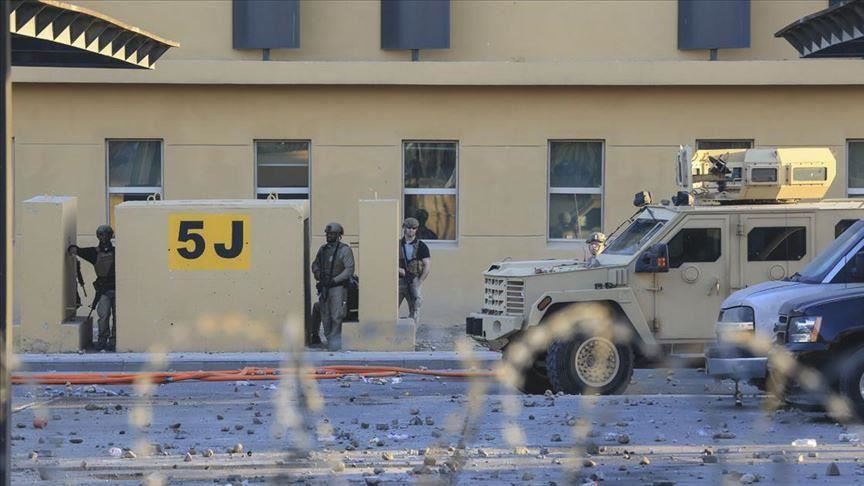
The Middle East has experienced multiple periods of heightened tension over recent decades, often marked by rapid escalation followed by fragile ceasefires. Past crises demonstrate how quickly localized disputes can expand when diplomacy fails.
Historians note that earlier confrontations offer lessons in crisis management, emphasizing communication and restraint as key factors in preventing broader conflict. These lessons are increasingly relevant as the regional security crisis unfolds in a more interconnected and technologically advanced environment.
Mediation Efforts and Confidence-Building Measures
Several neutral states and international organizations have stepped forward to facilitate dialogue. Proposed measures include military hotlines, phased de-escalation steps, and verification mechanisms to reduce mistrust.
Mediators argue that addressing the regional security crisis requires patience and sustained engagement rather than short-term political gains.
Information Management in a Digital Era
Governments are carefully managing public communication to avoid panic and misinformation. Officials emphasize factual updates while discouraging speculation that could inflame tensions.
In an era of instant communication, managing narratives has become an essential element of responding to the regional security crisis, according to media analysts.
Strategic Infrastructure and Security Concerns
Critical infrastructure, including energy facilities and transportation hubs, has been placed under enhanced protection. Security planners emphasize that safeguarding these assets is essential to preventing wider economic disruption.
The protection of infrastructure has become a central focus as the regional security crisis raises concerns about vulnerability to both physical and cyber threats.
Broader Implications for Global Security
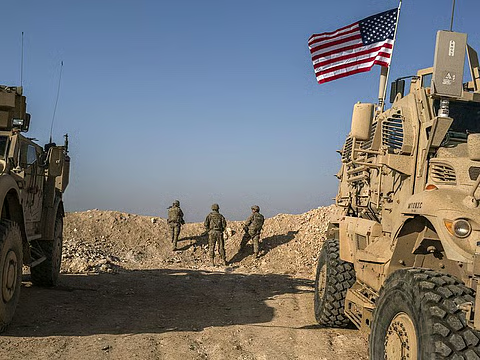
Analysts stress that instability in the Middle East has far-reaching implications. Key shipping lanes, energy markets, and geopolitical alliances connect the region directly to global security frameworks.
As a result, the regional security crisis is being closely monitored by governments worldwide, many of which have strategic and economic interests at stake.
Policy Debates in Western Capitals
In Europe and North America, policymakers are debating how best to respond. Options range from increased diplomatic engagement to enhanced deterrence measures, reflecting differing assessments of risk.
These debates underscore how the regional security crisis has become a central issue in global foreign policy discussions in 2026.
Military Preparedness Versus Diplomatic Solutions
Defense officials emphasize preparedness while acknowledging that military solutions carry significant risks. Diplomatic sources stress that escalation could prove difficult to contain once initiated.
Balancing deterrence and diplomacy remains a key challenge as leaders navigate the regional security crisis.
Public Sentiment and Domestic Pressures
Public opinion varies across the region, influenced by national narratives, media coverage, and economic conditions. Domestic pressures are shaping government responses, sometimes complicating diplomatic flexibility.
Observers note that managing internal expectations is critical to preventing further escalation of the regional security crisis.
Long-Term Stability and Regional Order
Beyond the immediate tensions, analysts are examining what the current situation means for long-term regional stability. Structural issues such as governance, economic inequality, and unresolved conflicts continue to shape the security landscape.
Addressing these underlying factors is widely seen as essential to preventing future cycles of regional security crisis.
The Role of International Law and Norms
International legal frameworks are being cited in diplomatic discussions as a basis for restraint. Legal experts emphasize the importance of adherence to established norms to reduce the risk of conflict.
Respect for international law is viewed as a stabilizing factor amid the regional security crisis, though enforcement remains a challenge.
Monitoring Developments on the Ground
Events continue to unfold rapidly, with diplomats, military planners, and analysts closely watching developments. Small incidents could have outsized effects in the current environment.
Continuous monitoring remains essential as the regional security crisis evolves.
A Defining Test for Global Diplomacy
The current situation represents a significant test for international diplomacy in an era of complex security challenges. Success or failure may shape future approaches to crisis management.
How leaders respond to the regional security crisis will likely influence global security dynamics beyond 2026.
The Fragile Balance Ahead
As diplomatic efforts continue and military forces remain on alert, uncertainty defines the present moment. Decisions made in the coming weeks will be critical in determining the trajectory of events.
Maintaining stability amid the regional security crisis will require coordination, restraint, and sustained international engagement.
Watching a Critical Moment in World Affairs
The unfolding situation stands as a reminder of the interconnected nature of modern security. As governments and institutions respond, the world watches closely.
Whether tensions ease or escalate, the regional security crisis of 2026 is already shaping the geopolitical landscape in lasting ways.