

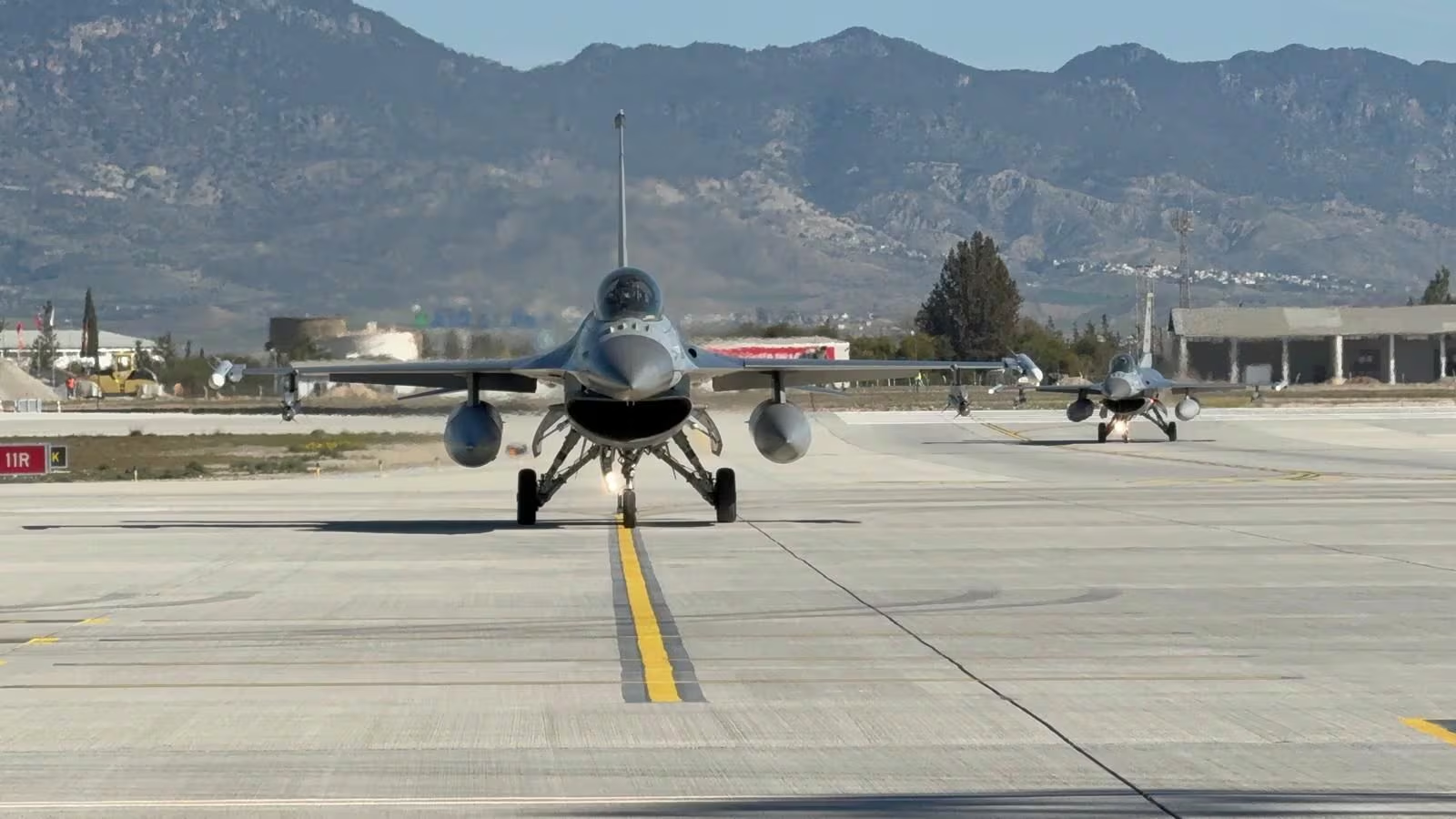
Ankara, Turkey — March 10, 2026 — Parliament News — A new regional security warning has drawn attention across the Middle East after Turkish officials reportedly cautioned Iran regarding potential airspace violations near sensitive border regions. According to diplomatic sources, the message was delivered through official communication channels and emphasized the importance of respecting sovereign airspace and maintaining stability in a region already facing complex geopolitical tensions.
Security analysts say the warning reflects heightened vigilance among regional governments as drone technology, surveillance aircraft, and military patrols become more common in contested areas. The development has sparked renewed discussion among policymakers and defense experts about how aerial monitoring and intelligence gathering could affect regional stability.
Airspace Concerns Raise Diplomatic Attention
The Middle East remains one of the most strategically sensitive regions in the world, with multiple countries maintaining strong military monitoring capabilities. Turkey’s location at the crossroads of Europe, Asia, and the Middle East makes its airspace particularly important for regional security.
Officials have indicated that the warning was meant to reinforce international aviation norms and prevent misunderstandings between military forces operating in nearby areas. When governments issue statements like this regional security warning, they are often signaling that they are closely monitoring developments and prepared to respond to potential threats.
Analysts say the situation highlights how technological advancements such as drones and reconnaissance aircraft have increased the complexity of border security across the region.
Drone Technology and Modern Military Strategy
In recent years, unmanned aerial vehicles have become a central element of military strategy. Countries across the Middle East have expanded their drone programs to conduct surveillance missions, gather intelligence, and monitor potential threats.
These aircraft can travel long distances and operate for extended periods, allowing governments to observe developments across large areas. However, their growing presence also increases the likelihood of misunderstandings when drones approach sensitive borders.
Defense experts believe the latest regional security warning reflects growing concern about how these technologies might influence diplomatic relations and security planning.
Historical Comparison With Earlier Airspace Disputes
The current situation echoes previous periods when airspace disputes led to diplomatic tensions between countries. During the Cold War, surveillance aircraft frequently approached rival territories, leading to confrontations and political protests.
In the Middle East, similar incidents have occurred when reconnaissance aircraft or drones crossed contested areas. Governments typically responded by issuing warnings or conducting diplomatic negotiations to prevent escalation.
The present regional security warning fits into this historical pattern, where early communication is used to prevent potential security incidents from developing into broader confrontations.
Quote From Security Analyst
One regional defense expert summarized the situation by saying:
“Airspace sovereignty is extremely sensitive in international relations. When governments issue warnings about possible violations, the goal is usually to prevent escalation while making clear that territorial boundaries must be respected.”
The analyst added that developments like this regional security warning highlight how quickly technological changes can influence geopolitical relationships.
Global Attention on Middle East Stability
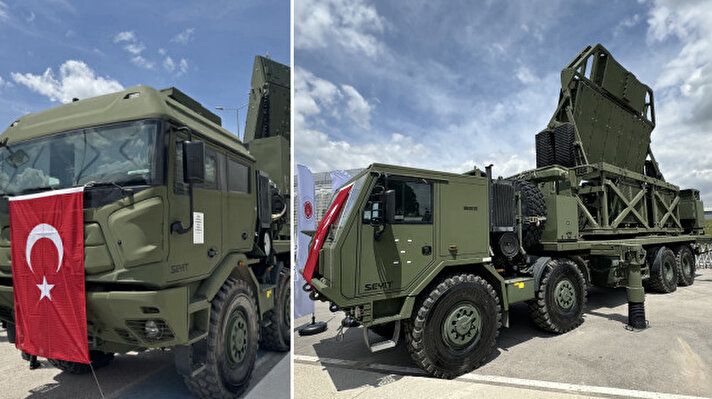
International observers are closely watching the situation as the regional security warning continues to draw attention to developments in the Middle East, where security incidents can influence global markets and diplomatic strategies. Energy supply routes, trade corridors, and military alliances may all be affected when tensions rise across this strategically important region.
Governments across Europe and Asia frequently monitor events linked to a regional security warning because such signals can indicate broader shifts in regional stability. Experts say continued diplomatic engagement will remain essential as countries work to manage complex geopolitical relationships and avoid unnecessary confrontation.
Key Developments and What They Mean
The latest diplomatic message underscores how seriously governments take airspace sovereignty. Turkey’s caution toward Iran appears designed to reinforce international rules while ensuring that military activities near its borders remain transparent and controlled.
Final Outlook on the Regional Situation
The regional security warning issued in 2026 highlights the delicate balance of security and diplomacy across the Middle East. While the immediate situation has not escalated into conflict, the incident illustrates how modern surveillance technology and strategic rivalry can quickly influence regional relations.
In summary, the event serves as a reminder that maintaining communication and respecting territorial boundaries will remain essential for preserving stability in one of the world’s most strategically important regions.