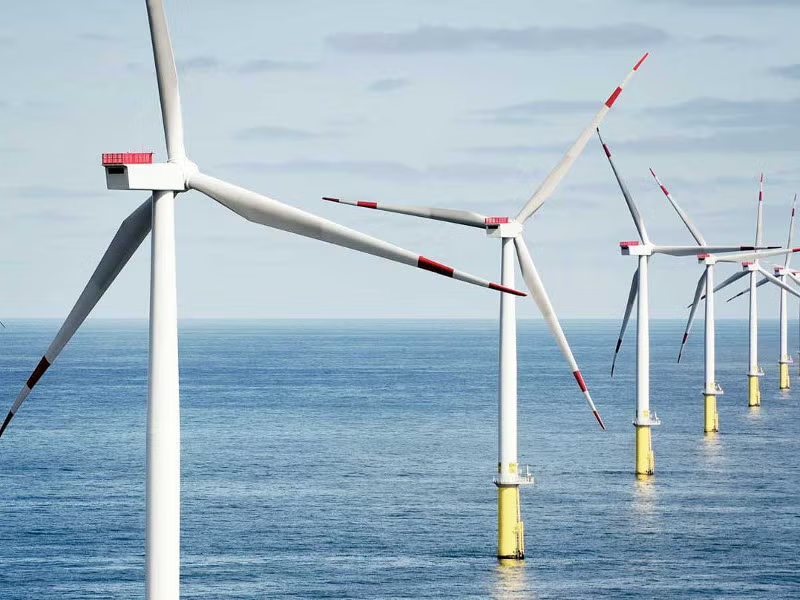
Brussels, January, 2026 — Renewable energy Europe has entered a defining chapter as policymakers, regulators, and industry leaders converge on an expanded clean power agenda. Announced in Brussels this week, a series of coordinated national and regional initiatives underline Europe’s determination to accelerate renewable deployment while strengthening economic stability and energy independence. The timing reflects mounting pressure from climate commitments, geopolitical uncertainty, and rising electricity demand across the continent.
The renewed push signals that clean energy is no longer treated as a secondary policy goal. Instead, it has become a central pillar of Europe’s long-term strategy, influencing fiscal planning, industrial policy, and infrastructure development.
Policy Alignment Signals a Stronger Collective Approach
European governments are increasingly coordinating renewable strategies to avoid fragmented progress. Harmonized permitting rules, shared infrastructure planning, and aligned investment incentives are reshaping how projects move from proposal to operation. This cooperation strengthens renewable energy Europe by reducing delays that previously hindered cross-border energy flows.
Officials stress that alignment allows smaller states to benefit from shared expertise while larger economies gain from economies of scale. The result is a more integrated energy system capable of absorbing large volumes of clean power.
Wind Energy Anchors the Expansion Strategy
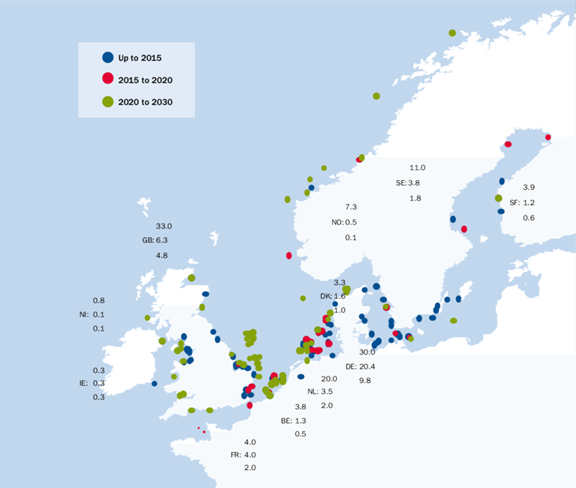
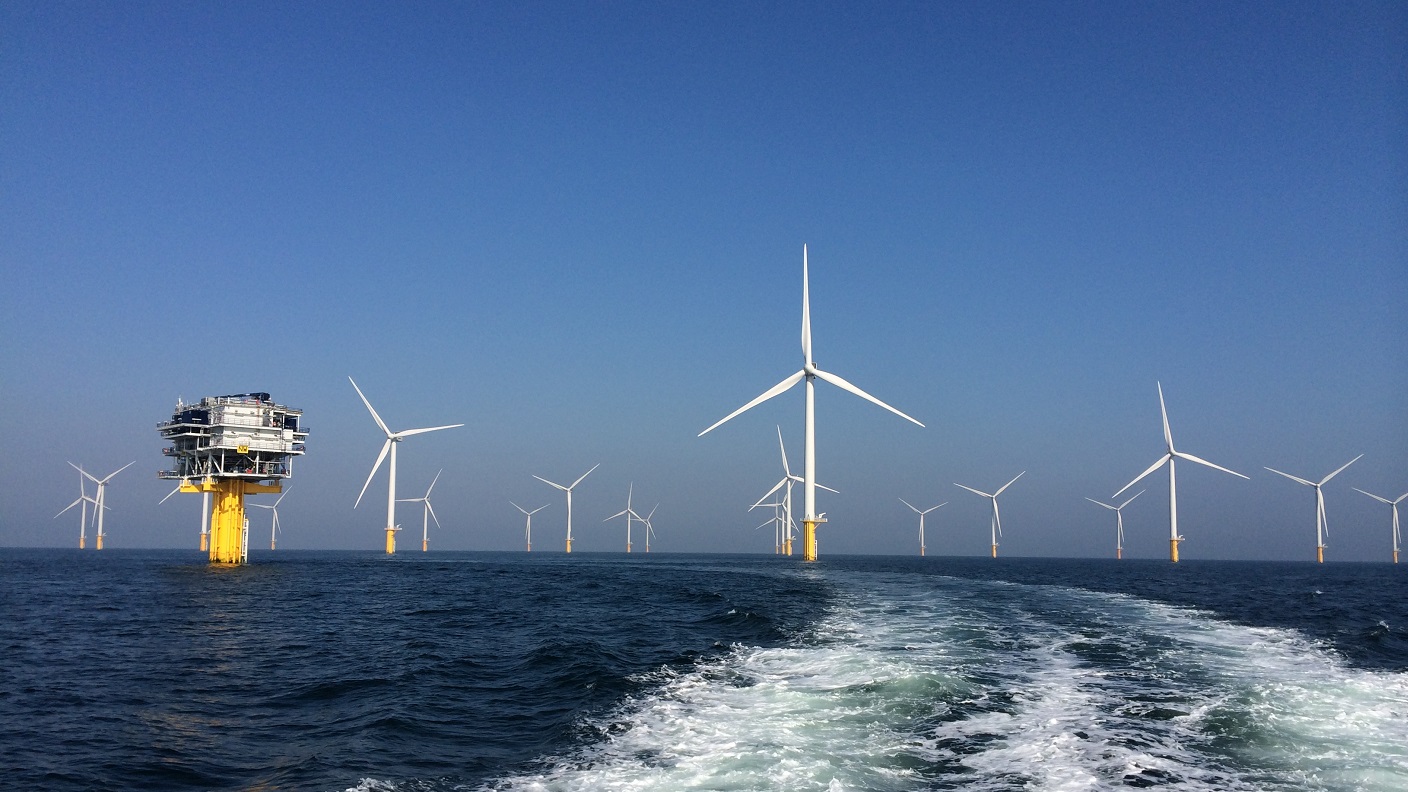
Wind power remains the backbone of Europe’s renewable growth. Offshore wind projects in the North Sea and Baltic Sea are expanding rapidly, while onshore wind continues to supply cost-effective electricity across inland regions. Together, these assets form a critical foundation for renewable energy Europe, delivering reliable generation throughout the year.
Advancements in turbine size and durability have increased output without proportionally expanding project footprints. These improvements are helping governments meet targets while addressing environmental and community concerns.
Solar Power Adds Speed and Flexibility
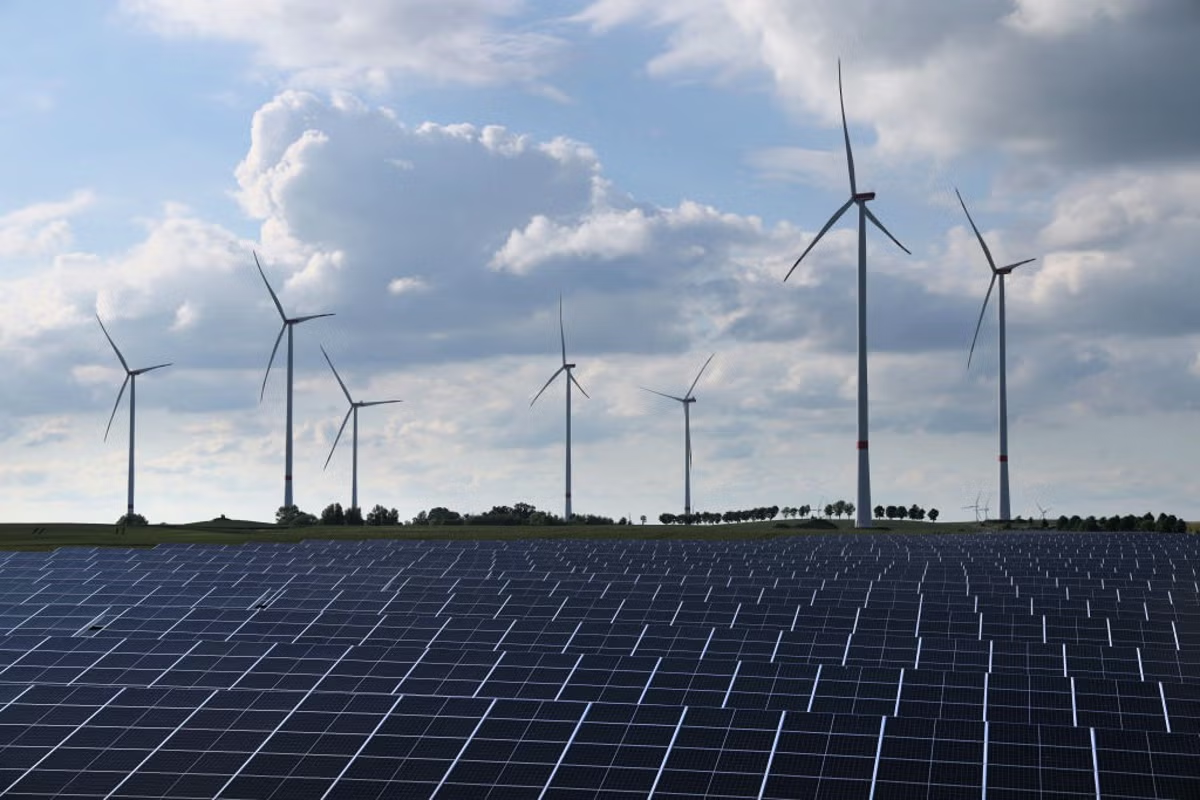
Solar energy is playing an increasingly strategic role in balancing Europe’s power mix. Utility-scale solar parks and distributed rooftop systems are being deployed at record pace. This rapid growth complements wind generation and strengthens renewable energy Europe by adding daytime capacity during peak demand hours.
Southern European countries, in particular, are leveraging abundant sunlight to reduce reliance on imported fuels. Hybrid projects combining wind and solar are also gaining traction, maximizing grid efficiency.
Modern Grids Become the Backbone of Reliability
As renewable capacity grows, grid modernization has become a priority. Transmission upgrades, smart substations, and digital monitoring systems are being rolled out to handle variable power flows. These investments are essential to ensuring renewable energy Europe remains stable and resilient.
Energy storage solutions are expanding alongside renewables. Battery installations and pumped hydro facilities are increasingly viewed as strategic assets that smooth supply fluctuations and protect against outages.
Economic Growth and Industrial Revitalization
Clean energy investment is reshaping Europe’s industrial landscape. Manufacturing facilities for turbines, solar panels, and electrical components are expanding, creating skilled jobs and attracting private capital. This industrial momentum reinforces renewable energy Europe as both an environmental and economic strategy.
Supply chain localization reduces exposure to global disruptions, while innovation hubs strengthen Europe’s competitiveness in clean technology exports. Analysts note that renewable sectors are now among the fastest-growing segments of the European economy.
Energy Security Drives Broad Political Support
Energy security concerns have elevated renewables to the top of political agendas. Governments increasingly frame clean power as a safeguard against external supply shocks. By expanding domestic generation, renewable energy Europe reduces vulnerability to volatile fuel markets and geopolitical tensions.
This security narrative has helped build consensus across political parties, accelerating legislative approval for renewable projects and infrastructure funding.
Environmental Gains and Climate Commitments
Expanding renewables directly supports Europe’s emissions reduction goals. Replacing fossil fuel generation with wind and solar cuts carbon output while improving air quality. Environmental agencies emphasize that renewable energy Europe is central to meeting long-term climate targets.
Stronger environmental assessments and biodiversity protections are being integrated into project planning. Policymakers aim to ensure that rapid expansion does not come at the expense of ecosystems or public trust.
Public Acceptance and Local Participation
Community engagement has become a defining factor in project success. Governments are encouraging local ownership models, transparent planning processes, and revenue-sharing mechanisms. These measures strengthen public confidence in renewable energy Europe initiatives.
Local benefits, such as infrastructure upgrades and employment opportunities, are helping reduce opposition, particularly in rural areas hosting onshore wind projects.
Innovation Accelerates the Next Phase
Research and innovation continue to redefine clean energy possibilities. Floating offshore wind platforms, next-generation storage systems, and AI-driven grid management are moving from pilot stages to commercial deployment. These advances enhance efficiency and further embed renewable energy Europe into daily life.
Public-private partnerships and EU-funded research programs play a critical role in translating innovation into scalable solutions.
One Industry Voice on the Transition
A senior European energy analyst said,
“This phase of clean power expansion shows that renewables are no longer an alternative option but the structural core of Europe’s energy system.”
Global Influence of Europe’s Energy Model
Europe’s approach is closely watched worldwide. Large-scale deployment and falling technology costs influence renewable adoption in other regions. As renewable energy Europe continues to mature, it sets benchmarks for policy design, grid integration, and market structures.
International cooperation on standards and supply chains is expected to deepen as Europe’s renewable footprint expands.
Market Dynamics and Investment Trends
Financial markets are increasingly aligned with clean energy objectives. Institutional investors are directing capital toward renewable assets viewed as stable, long-term investments. This trend reinforces renewable energy Europe by lowering financing costs and accelerating project timelines.
Green bonds and sustainability-linked financing instruments are also gaining prominence, signaling confidence in Europe’s clean energy trajectory.
Regulatory Reform Shapes Project Timelines
Streamlined permitting and clearer regulatory frameworks are shortening development cycles. Governments recognize that timely approvals are essential to meeting targets. These reforms strengthen renewable energy Europe by translating policy ambition into operational capacity.
Digital permitting platforms and standardized environmental reviews are among the tools being adopted to improve efficiency.
Education and Workforce Development
The energy transition is driving demand for new skills. Training programs and academic partnerships are expanding to prepare workers for renewable-focused careers. This human capital investment supports renewable energy Europe by ensuring a skilled workforce capable of sustaining long-term growth.
Educational institutions are aligning curricula with industry needs, reinforcing Europe’s leadership in clean energy expertise.
The Role of Cities and Regions
Cities and regional authorities are emerging as key drivers of renewable adoption. Local governments are deploying clean power solutions tailored to urban and regional needs. These efforts strengthen renewable energy Europe from the ground up, complementing national strategies.
Urban solar projects, district heating systems, and electric mobility integration are among the initiatives gaining momentum.
Long-Term Structural Change
The pace of development suggests Europe is entering a period of structural transformation. Continued investment, regulatory clarity, and innovation will determine the speed of progress. At the center of this shift stands renewable energy Europe, shaping how power is produced, distributed, and consumed.
Energy experts note that decisions made in the coming years will define Europe’s competitiveness and sustainability for decades.
Clean Power Becomes Europe’s New Normal
As 2026 unfolds, Europe’s clean energy trajectory is unmistakable. Coordinated policies, industrial growth, and public engagement are aligning behind a shared vision. renewable energy Europe is no longer a future aspiration but an operational reality redefining the continent’s energy identity.